
Trucks For Sale in Maryland
Trucks for sale in Maryland: compare day cabs, sleepers, box and dump trucks. Understand specs, axle setups, powertrains, and MD operating needs.
Learn more
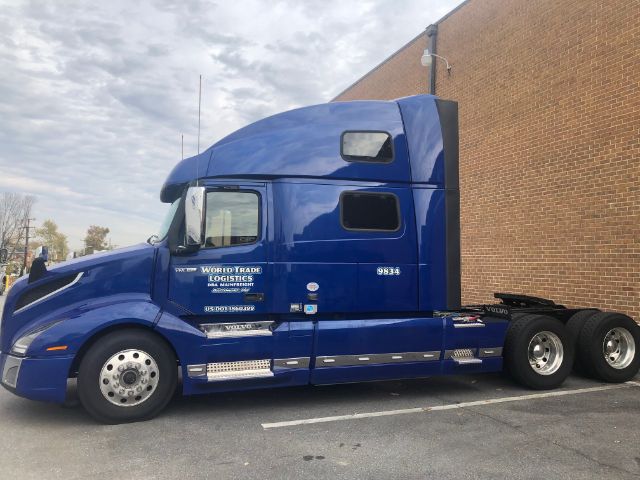
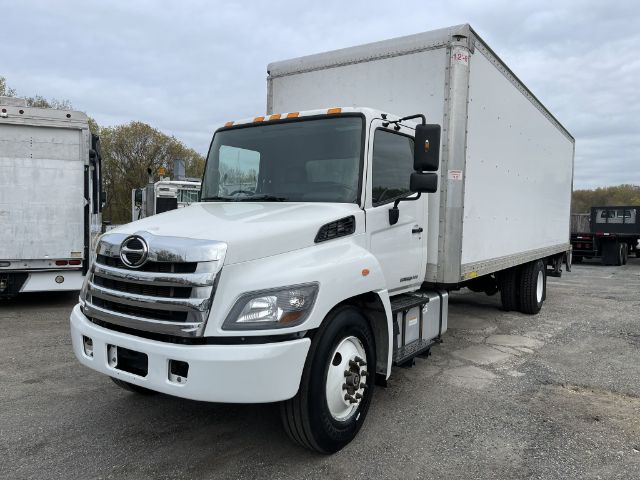
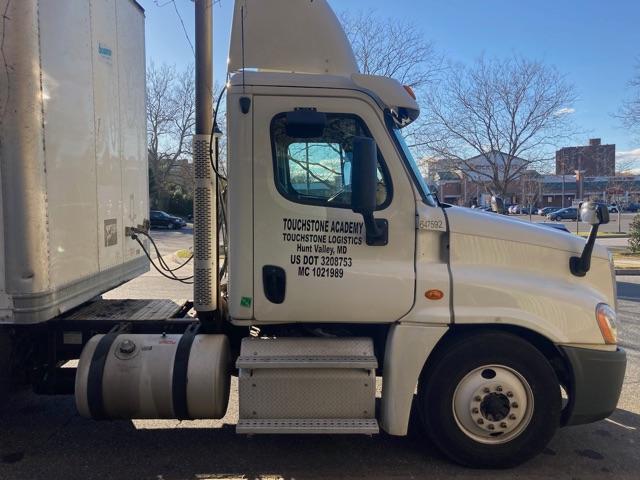
Have truck to sell? List it here to reach thousands of buyers.
About Trucks in Maryland
Powertrain choice should reflect route speed and terrain. For regional and long-haul semi trucks, 13L engines at 425-455 hp with 1,650 lb-ft pair well with direct-drive transmissions and 2.47-2.85 rears for I-95 corridor work. Western Maryland hills push many buyers toward 455-500 hp with 1,750-1,850 lb-ft, multi-speed axle ratios in the 3.08-3.55 range, and engine brakes sized to hold speed on extended descents. Automated manuals like Detroit DT12 and Eaton UltraShift/Endurant dominate for fuel economy; Allison automatics are common in stop-and-go refuse, mixer, and dump applications. Spec full-locking differentials, cross-locks, or inter-axle locks for quarries and job sites, and choose air-ride tandems for highway tractors versus heavy-duty spring suspensions for off-road abuse.
Body and chassis configurations cover most freight niches in the state. Sleeper trucks handle multi-day Northeast lanes; day cabs excel in port, beverage, and regional P&D. Box trucks, also known as straight trucks, typically run 18-26 ft bodies, with options like liftgates, logistics posts, and reefers from Carrier or Thermo King for foodservice. Dump trucks in Maryland frequently run aluminum bodies for payload or Hardox steel for demolition. Tire choices tilt toward low-profile 22.5 for lower deck heights and cost, with wide-base singles used where weight savings matter and routes allow. Modern safety tech, collision mitigation, lane departure, disc brakes, and convenience features like heated mirrors, idle shutdown, and factory inverters improve uptime and driver retention.
Maryland operating realities reward informed buying. Hazmat is restricted in Baltimore tunnels, so route planning matters for tankers and certain cargos. Winters and coastal humidity make corrosion protection a priority, inspect frames, crossmembers, cab mounts, battery boxes, and aftertreatment hangers for rust. For any used truck, review ECM mileage versus odometer, pull a DPF/DEF history, check for active fault codes, evaluate brake and tire life, and confirm recent DOT inspections. Title and plate through IRP if you run interstate and keep IFTA reporting tidy; E-ZPass can reduce toll friction on I-95 and the Beltway. Matching specs to your lanes and loads in Maryland, then validating condition and compliance, usually delivers the best total cost of ownership.
Frequently Asked Questions
What truck specs work best for Baltimore port drayage and urban delivery?
Short-wheelbase day cabs with sliding fifth wheels, tight front axle cut angles, and lightweight specs help hit port scale targets and maneuver in tight yards. Automated manuals reduce driver fatigue in stop-and-go traffic. Choose low-profile 22.5 tires for lower fifth wheel height and better dock alignment, and consider disc brakes for fade resistance in city cycles.
Are tri-axle or quad-axle dump trucks common and how should I target GVW in Maryland?
Tri-axle and quad-axle dumps are widely used to maximize legal payload under Maryland axle-spacing and bridge rules on state routes. The ideal GVW depends on axle spacing, lift-axle ratings, and the roads you’ll run. Work with your body builder and verify limits with MDOT/SHA to ensure your axle configuration, spread, and lift controls align with the permits and routes you plan.
How much power and what gearing do I need for the I-68 and I-70 grades?
For frequent mountain grades with 80,000 lb GCW, 455-500 hp with 1,750-1,850 lb-ft and an engine brake is a solid baseline. Pair an automated manual or 13-speed with rear ratios in the 3.08-3.55 range if you value gradeability over top-speed efficiency. If most miles are flat I-95 corridor, a downsped setup (425-455 hp, direct-drive, 2.47-2.85 rears) can improve fuel economy.
Are there special routing or hazmat considerations around Baltimore?
Yes. Certain hazardous materials are prohibited in the Baltimore tunnels, so plan alternates and check current restrictions before dispatch. Height, weight, and hazmat rules can change with work zones and regional events—verify your route, permits, and curfews, especially for tankers and oversize/overweight loads.
What should I check before buying a used truck for Maryland operations?
Focus on condition and suitability for your lanes. Pull ECM and fault code reports, review aftertreatment history (DPF cleanings, SCR/DEF issues), inspect frame rails and crossmembers for rust, measure brakes and tires, and test the engine brake. Confirm body function on vocational units, check liftgate or PTO operation, and verify recent DOT inspection. A road test that includes a sustained grade will surface cooling, power, and downshift behavior relevant to Maryland terrain.