
Used Utility Reefer Trailers For Sale in Indiana
Shop used Utility reefer trailers for sale in Indiana. Compare 48' and 53' refrigerated trailers, insulation, doors, floor type, and temp range.
Learn more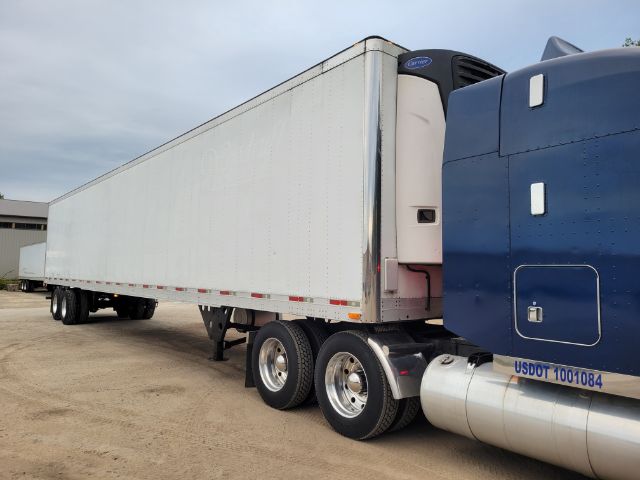
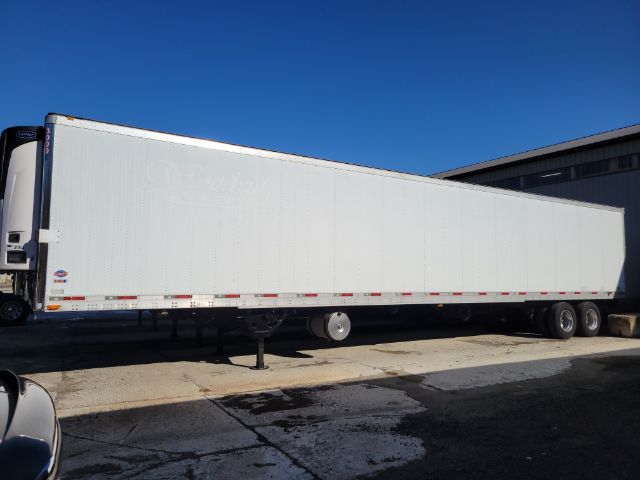
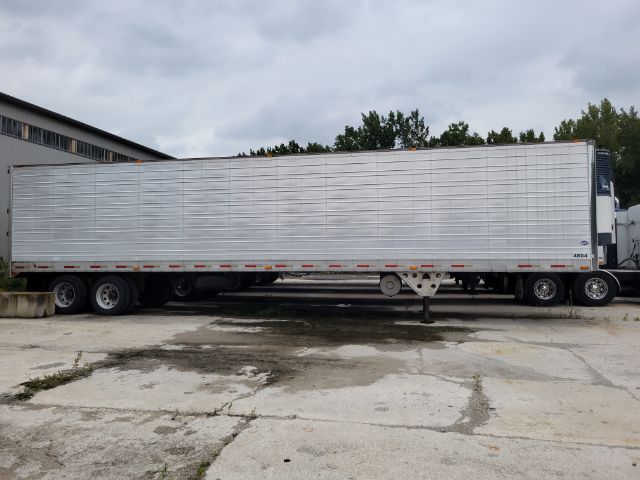
Have used utility reefer trailer to sell? List it here to reach thousands of buyers.
About Used Utility Reefer Trailers in Indiana
A used Utility reefer trailer should be evaluated as both a trailer and a refrigeration system. Trailer-side details include floor wear, crossmember condition, sidewall integrity, roof repairs, door frame alignment, and signs of water intrusion around seams or rivet lines. Interior features such as scuff liners, logistics posts, e-track, and aluminum duct flooring can matter a lot if the trailer will handle pallets, hanging meat, or frequent dock work. Many buyers also inspect suspension type, axle spread, wheel-end service history, tire condition, and brake life before looking at cosmetic items. In Indiana, where freeze-thaw cycles and road salt can accelerate corrosion, the undercarriage and rear frame deserve close attention.
The refrigeration unit is the expensive side of the purchase, so buyers usually verify engine hours, electric standby if equipped, service records, and pull-down performance. A trailer that can reach below-zero temperatures is important for frozen freight, but steady temperature maintenance, clean airflow, and proper insulation matter just as much as raw cooling ability. Check the evaporator area for icing patterns, inspect drains and door seals, and confirm the unit cycles correctly rather than running constantly to mask insulation loss. Utility reefer trailers are commonly paired with Carrier or Thermo King units, so local service access in Indiana can be a practical buying factor if the trailer will run regional food lanes.
For many operations, a used Utility reefer trailer is less about brand image and more about uptime per dollar. A well-kept older trailer can still be a strong earner if the reefer unit is healthy, the doors seal tightly, and the floor is sound enough for repeated forklift traffic. Buyers comparing listings should look past fresh polish and focus on temperature history, maintenance documentation, DOT readiness, and evidence of prior body or floor repairs. The best value usually comes from a trailer that has been worked consistently, serviced on schedule, and spec'd for the freight you actually haul rather than the broadest possible use case.
Frequently Asked Questions
What should I inspect first on a used Utility reefer trailer?
Start with the refrigeration unit, the floor, the rear doors, and the undercarriage. The reefer unit drives repair cost, so verify hours, service records, startup behavior, and how quickly it pulls down to set temperature. Then inspect the floor for soft spots, heavy forklift wear, and broken duct channels, because floor damage affects both loading and airflow. Rear door seals, hinges, and frame alignment are also critical since air leaks can force the unit to run harder and reduce temperature consistency.
Can an older Utility reefer trailer still be a good buy?
Yes, if the trailer has been maintained correctly and still holds temperature efficiently. Age alone is not the deciding factor on a reefer trailer. A well-kept older Utility can continue running frozen or chilled freight if the insulation is sound, the doors seal properly, the floor remains structurally solid, and the refrigeration unit has a documented service history. Buyers should focus more on condition, repair quality, and temperature performance than model year by itself.
What lengths are most common for used Utility reefer trailers?
The most common lengths are 48 feet and 53 feet, typically with a 102-inch exterior width. A 53-foot reefer is the standard choice for most grocery and foodservice lanes because it maximizes cubic capacity and pallet count. A 48-foot reefer can still fit certain regional operations or legacy fleet requirements. The right choice depends on dock space, freight density, state bridge rules, and the trailer length already used across your operation.
Why does floor type matter on a reefer trailer?
Floor design affects both cargo handling and temperature control. Many reefer trailers use aluminum duct floors or deep-channel floors that allow cold air to move beneath the freight. If that floor is crushed, patched poorly, or blocked by debris, airflow can suffer and product temperatures may become uneven. Floor condition also matters for durability under repeated forklift loading, especially in high-cycle distribution work where concentrated wheel loads can shorten trailer life.
Are used Utility reefer trailers a good fit for Indiana operations?
They can be, especially for regional food, dairy, produce, and frozen freight moving through the Midwest. Indiana buyers should pay close attention to corrosion from winter road treatment, suspension wear from seasonal conditions, and door sealing in cold weather. Utility reefer trailers are common enough that parts, service familiarity, and resale market recognition are usually favorable. That makes them a practical option for carriers that need refrigerated capacity without stepping into the cost of a newer trailer.