
Skid Steer Loaders For Sale Near Sparrow Bush, New York
Compare used skid steer loaders for sale with key details on horsepower, lift capacity, hydraulics, cab options, tires or tracks, and attachments.
Learn more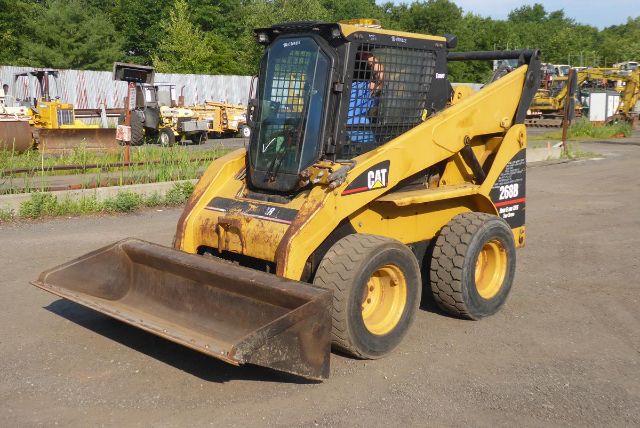
Have skid steer loaders equipment to sell? List it here to reach thousands of buyers.
About Skid Steer Loaders Near Sparrow Bush, New York
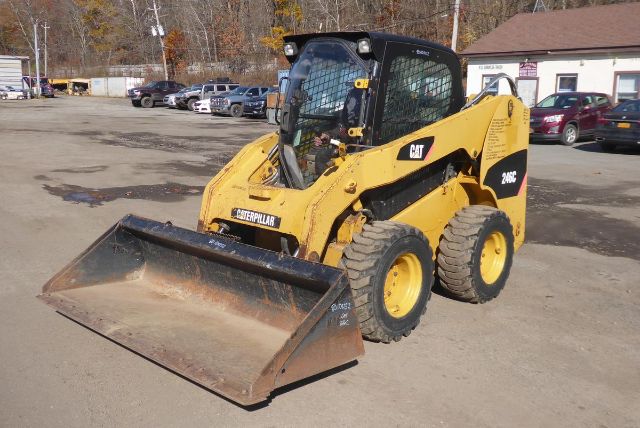
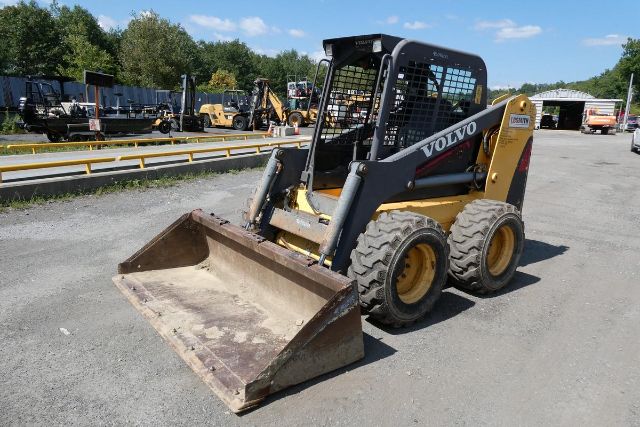
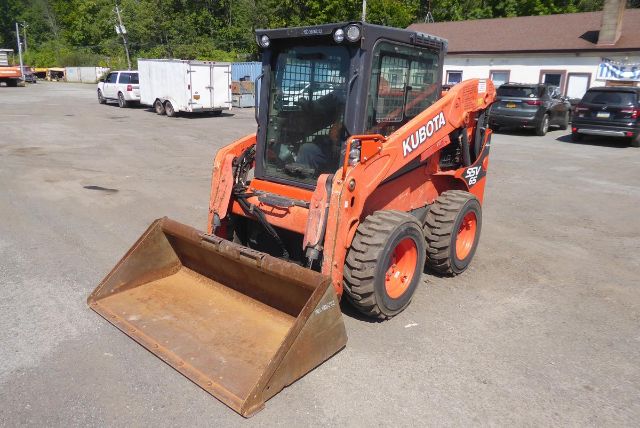
Hydrostatic drive is standard across most skid steer loaders, and two-speed travel can be a real advantage when the machine needs to move across larger yards or between loading points. Auxiliary hydraulics matter more than many buyers expect. Standard-flow machines cover bucket, fork, and many basic attachment applications, but high-flow setups are worth targeting if the work involves hydraulic-intensive attachments. Quick attach systems, electric-over-hydraulic couplers, and multiple auxiliary lines improve changeover speed and expand attachment compatibility. Cab configuration is another practical buying point. Open cabs keep cost down and simplify entry, while enclosed cabs with heat and air conditioning add real value for snow contractors, municipal operators, and year-round fleet use in New York conditions.
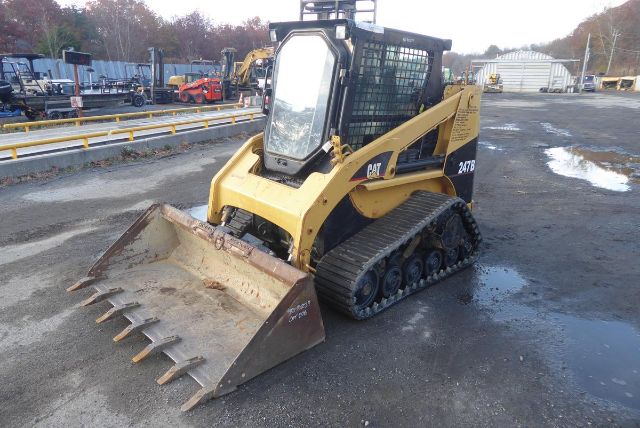
Used skid steer loader buyers should pay close attention to pins and bushings, boom arm alignment, bucket fitment, cylinder dryness, and tire or track condition. Slop at the coupler or bucket pivot can point to hard use, and uneven attachment sit can indicate prior structural damage. Hour meter readings help, but service history and present operating condition usually tell the better story. On wheel machines, inspect tire size, sidewall condition, and rim wear. On track machines, look at track width, roller wear, sprockets, and undercarriage cost before making a value decision. Engine cold-start behavior, hydrostatic response, lift smoothness, and auxiliary hydraulic function are all worth checking under load, not just at idle.
Dimensions also deserve attention because skid steer loaders are often bought to fit specific trailers, barns, landscaping gates, warehouses, or urban jobsites. Overall width in this category is commonly around 5.5 to 6 feet, with loading heights near 9 to 10 feet depending on model and lift design. A machine that is easy to haul, easy to service, and matched to the attachments already in your fleet will usually outperform a larger unit that is overloaded with features you do not need. For buyers comparing listings, the best value often comes from balancing horsepower, hydraulic capability, attachment interface, cab spec, and undercarriage or tire condition against the actual work the machine will do every week.
Frequently Asked Questions
What should I look for first when buying a used skid steer loader?
Start with rated operating capacity, horsepower, auxiliary hydraulic output, and overall machine condition. Then inspect the wear points that drive repair cost, including pins and bushings, bucket or coupler looseness, cylinders, tires or tracks, and boom arm alignment. A skid steer with moderate hours but strong hydraulic performance and tight linkage is often a better buy than a lower-hour machine with visible structural wear or neglected maintenance.
What is the difference between a wheeled skid steer and a track machine?
A wheeled skid steer loader is usually less expensive to maintain, travels well on pavement and compacted yards, and is a common choice for loading, pallet work, and general property maintenance. A track machine, often referred to as a compact track loader, provides better flotation and traction on soft or uneven ground and can be more productive in mud, sand, and wet conditions. The tradeoff is higher undercarriage replacement cost and different transport and surface-wear considerations.
How important is high-flow hydraulics on a skid steer loader?
High-flow hydraulics are important if the machine will regularly run demanding attachments such as mulchers, planers, snow blowers, or some larger trenchers and brush cutters. For general bucket work, forks, and many light-to-medium attachments, standard auxiliary hydraulics are often sufficient. Buyers should match the machine's hydraulic output to the attachment requirements rather than paying extra for high-flow capacity they will not use.
Are enclosed cab skid steers worth it in New York?
For many buyers, yes. An enclosed cab with heat is especially useful for snow removal, winter site work, and long operating days in cold or wet conditions. Air conditioning also matters for summer landscaping, paving support, and municipal work. Open cab machines can still make sense for budget-sensitive applications or lighter seasonal use, but enclosed cabs usually improve operator comfort, reduce fatigue, and support stronger resale appeal in four-season markets.
How do I know if a skid steer loader will fit my jobsite and trailer?
Check overall width, machine height, operating weight, and loading height before comparing price alone. Many skid steer loaders in this class are roughly 5.5 to 6 feet wide and weigh between 7,000 and 9,000 pounds, but attachment choice can change transport weight and usable dimensions. Buyers should confirm trailer capacity, door or gate clearance, tie-down points, and the lift height needed for trucks, hoppers, or material bins to avoid buying a machine that is productive on paper but awkward in daily use.