
Recycling For Sale Near Sparrow Bush, New York
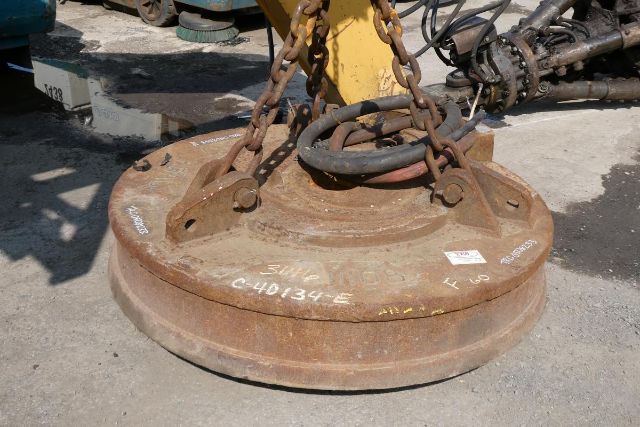
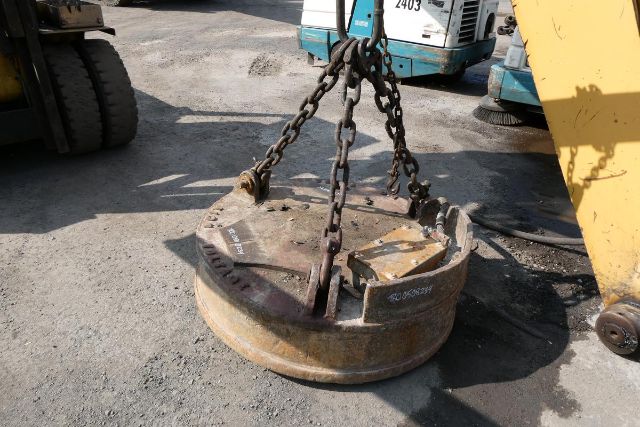
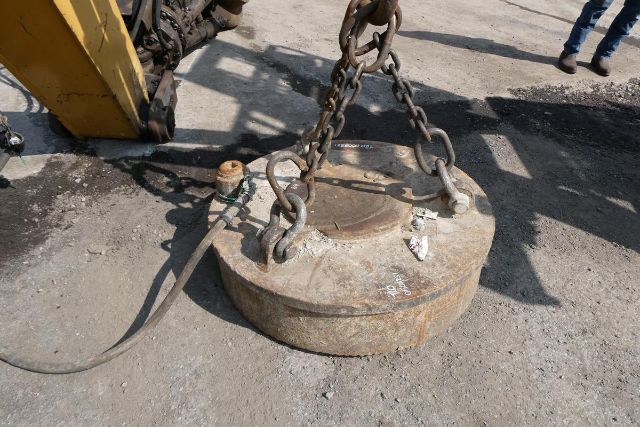
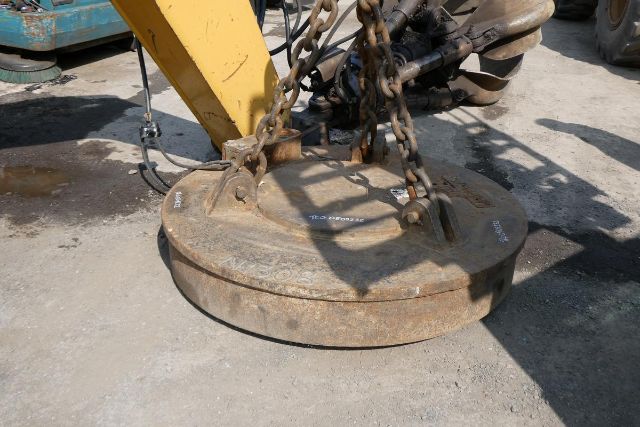
Browse recycling trucking equipment for scrap, transfer, and material handling jobs, including handlers, grapples, magnets, and shear setups.
Learn more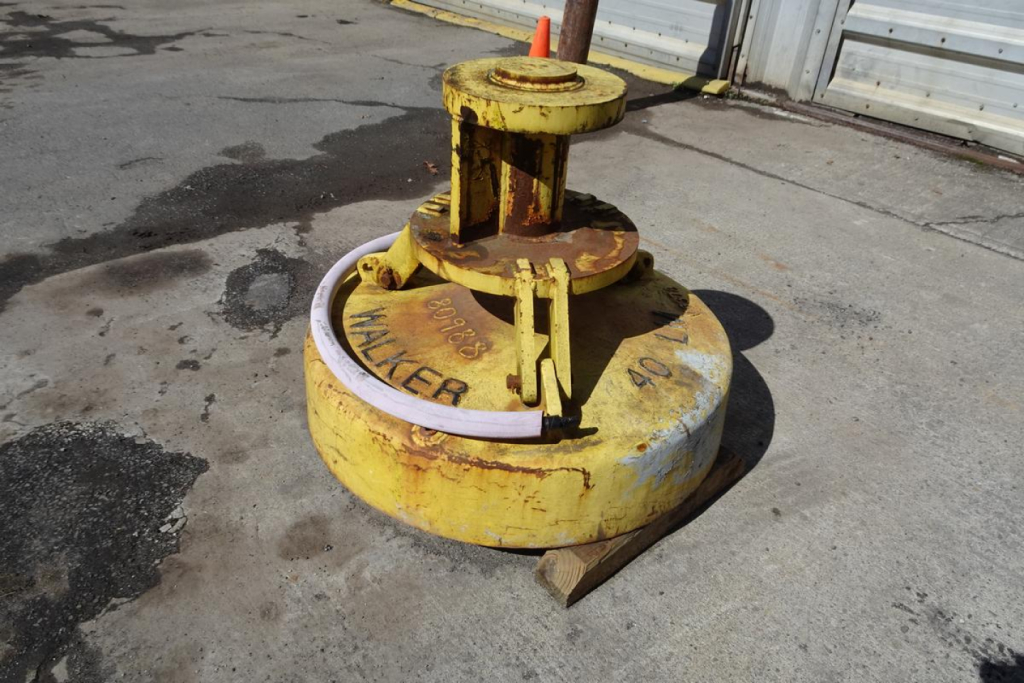
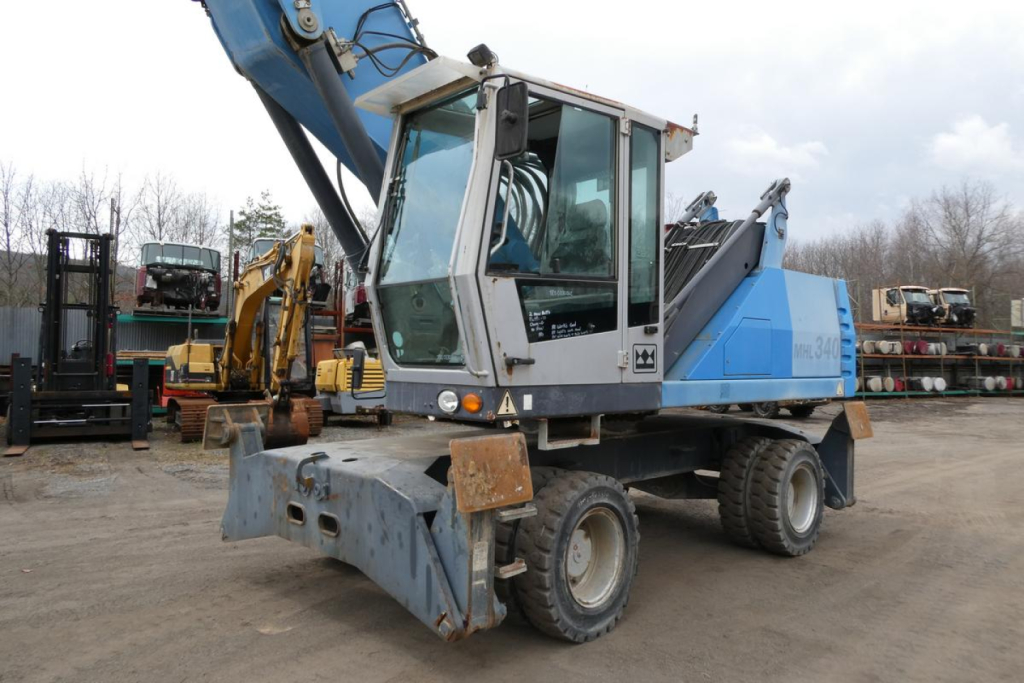
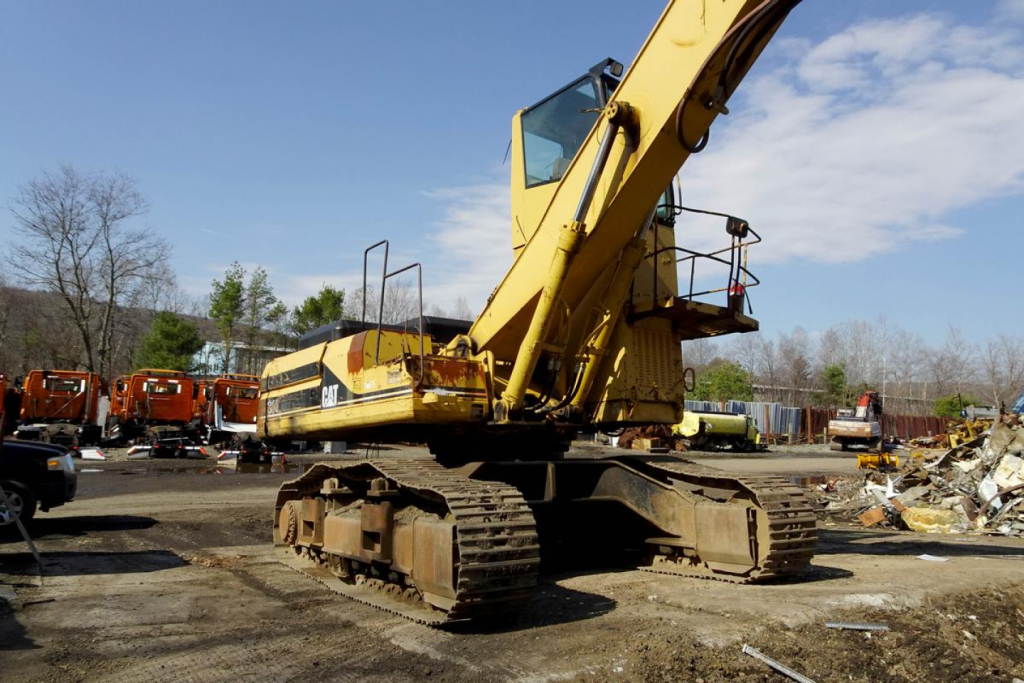
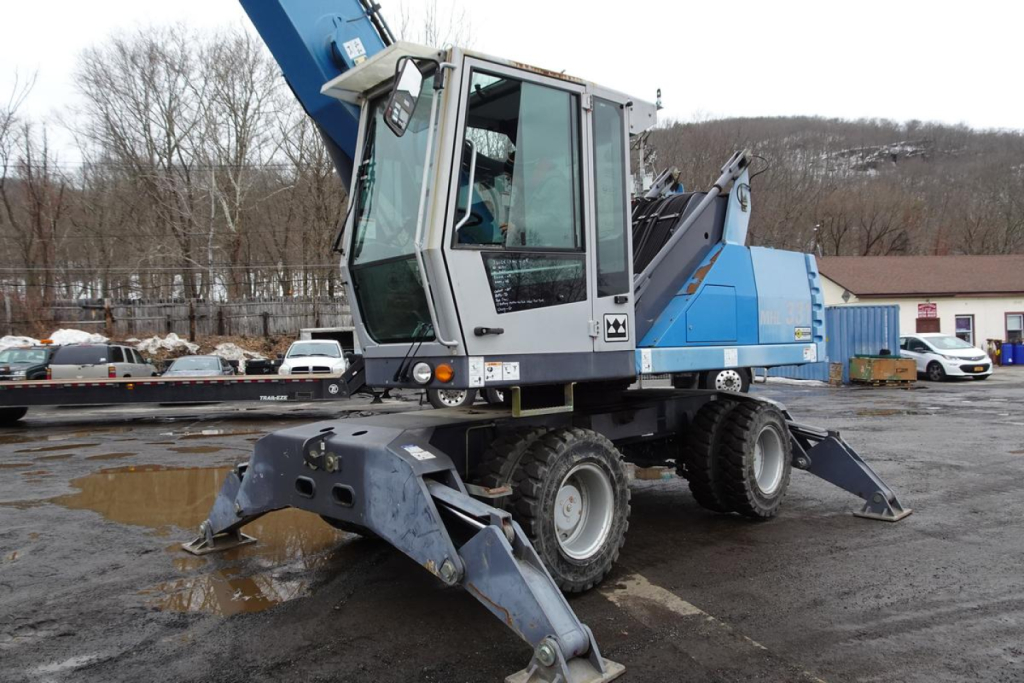
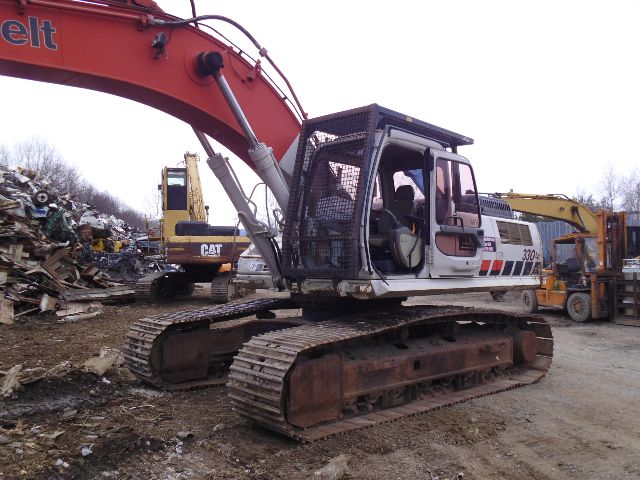
Have recycling equipment to sell? List it here to reach thousands of buyers.
About Recycling Near Sparrow Bush, New York
Reach, attachment compatibility, and undercarriage or tire configuration usually matter more than paint or model year. A typical scrap material handler may offer roughly 30 to 45 feet of reach, hydrostatic drive, and operating weights from around 50,000 to 80,000 pounds depending on carrier size and setup. Buyers should verify whether the machine is configured for a magnet, grapple, shear, or quick-coupler arrangement, and whether the hydraulic system can support the flow and pressure required by the attachment. Adjustable cab height, backup cameras, dry cylinders, and stable outriggers are all important in recycling yards where visibility and machine balance directly affect productivity and safety.
Application drives the right spec. For loading shred feed, rail cars, containers, or walking floor trailers, long-reach wheeled handlers with grapples or magnets are common because they move efficiently around the yard and offer fast cycle times. For heavier demolition or structural steel processing, a tracked platform with a shear may be a better fit due to added stability and lifting confidence. Electrical requirements also matter on magnet setups, including generator output, duty cycle, and attachment wiring condition. In used recycling equipment, engine hours are only part of the story. Buyers should pay close attention to boom and stick pin play, turntable looseness, hydraulic leaks, cab riser function, cooling system condition, and overall structural wear around the nose, linkage, and attachment mounts.
Transport dimensions, service access, and parts support should be part of the buying decision from the start. Many recycling machines are wide, tall, and heavy enough to require special hauling considerations, especially with booms, sticks, and attachments installed. It also helps to confirm local dealer support for brands, attachment wear parts, cylinders, rotators, and magnet components. A properly matched recycling machine can improve yard throughput, reduce loader idle time, and give an operation better control over scrap separation, trailer loading, and processor feed consistency.
Frequently Asked Questions
What types of equipment are included in the recycling trucking equipment category?
This category usually includes scrap material handlers, wheeled and tracked recycling excavators, magnets, grapples, shears, and related attachment packages used in scrap yards, transfer stations, demolition recycling, and metal processing. Some machines are dedicated material handlers with elevated cabs and outriggers, while others are excavator-based carriers adapted for recycling duty. The right choice depends on whether the job is loading trailers, feeding a shredder, sorting mixed material, or processing heavy steel.
What is the difference between a scrap material handler and a standard excavator in recycling work?
A scrap material handler is typically built for high-visibility, repetitive loading and sorting in a recycling yard. Common differences include a purpose-built elevated cab, longer boom and stick geometry, outriggers, magnet generator options, and faster yard mobility on rubber tires. A standard excavator can still be effective in recycling, especially with shears or demolition attachments, but it may not offer the same visibility, reach, or tire-based maneuverability needed for frequent trailer and container loading.
What should I inspect first on used recycling equipment?
Start with structural and hydraulic condition. Check boom, stick, and attachment linkage for cracks, weld repairs, and pin or bushing wear. Inspect cylinders for leaks, test swing and travel functions, and look for looseness in the turntable. On magnet or grapple setups, confirm generator operation, rotator condition, hose routing, and electrical connections. Also evaluate cab riser operation, outriggers, cooling system performance, and attachment mounting points, since recycling applications often create accelerated wear compared with general construction use.
How much reach do I need for a recycling material handler?
The required reach depends on what you are loading and how the yard is laid out. Machines in this class commonly range from about 30 to 45 feet of reach. Shorter-reach units can work well for dense sorting and feeding tasks in tighter spaces, while longer-reach handlers are better for loading rail cars, high-sided trailers, deep containers, or broad stockpiles. Buyers should match reach to real working radius, lift needs, and attachment weight instead of focusing on boom length alone.
Are wheeled or tracked recycling machines better for scrap operations?
Wheeled machines are often preferred in established scrap yards because they travel quickly on hard surfaces, reposition easily, and are efficient for repeated loading cycles. Tracked machines are usually stronger in rough ground, demolition debris, and heavier processing applications where stability matters more than travel speed. The best choice depends on yard surface conditions, travel distances, attachment type, and whether the machine will spend more time sorting light scrap or handling heavy structural material.