
Paving & Compaction For Sale Near Sparrow Bush, New York
Shop paving and compaction equipment including vibratory rollers and asphalt compactors with key specs, applications, and buying tips.
Learn more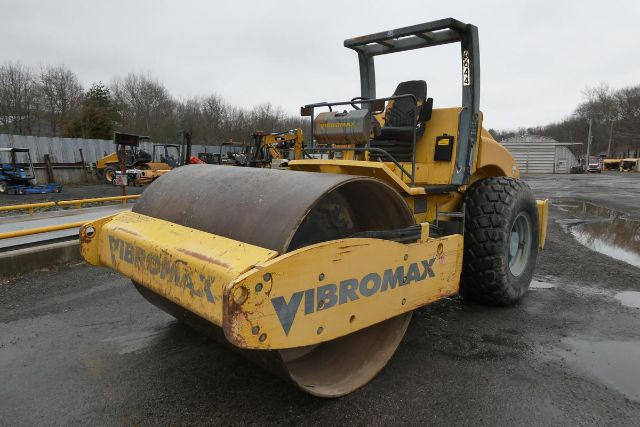
Have paving & compaction equipment to sell? List it here to reach thousands of buyers.
About Paving & Compaction Near Sparrow Bush, New York
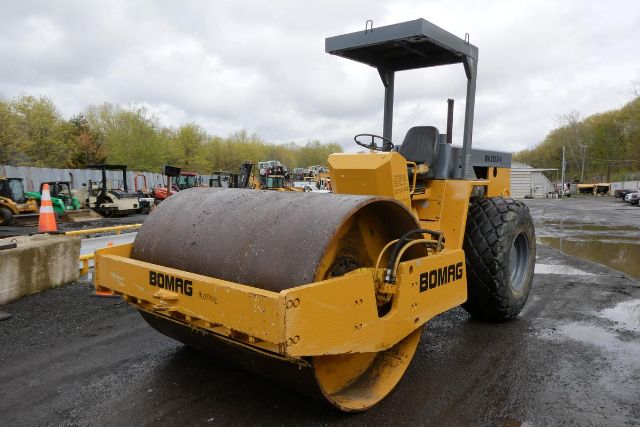
A used buyer should start with operating weight, drum width, vibration system, and drive layout. Many machines in this class run hydrostatic transmissions and mechanical diesel engines, which can be an advantage for fleets that want straightforward serviceability. Drum width often falls in the mid-60 inch to low-80 inch range on rollers like these, and that dimension directly affects pass count and productivity. For asphalt work, water spray systems, scraper bars, drum condition, edge visibility, and the ability to run front, rear, or dual vibration all matter. For soil compactors, check padfoot or smooth drum configuration, centrifugal force, frequency, amplitude settings, and whether the machine can maintain traction and consistent vibration on grades or softer material.
Condition matters more than paint in this category. Buyers should inspect drum shells for dents, flat spots, weld repairs, and bearing or gearbox seepage. On vibratory rollers, weak or inoperative vibration can point to expensive drum shaft, exciter, or hydraulic issues. Water systems should be checked for tank leaks, pump operation, spray nozzles, and clogged lines, especially on asphalt rollers that have sat. Open ROPS machines are still common on older units, so confirm operator station condition, gauge function, steering articulation, park brake performance, and hour meter accuracy. On older compactors, pin and bushing wear, articulation joint play, hydraulic cooler condition, and engine cold-start behavior can tell you a lot about remaining life.
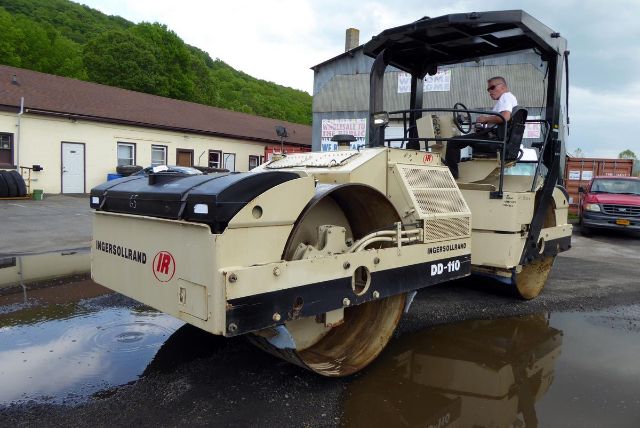
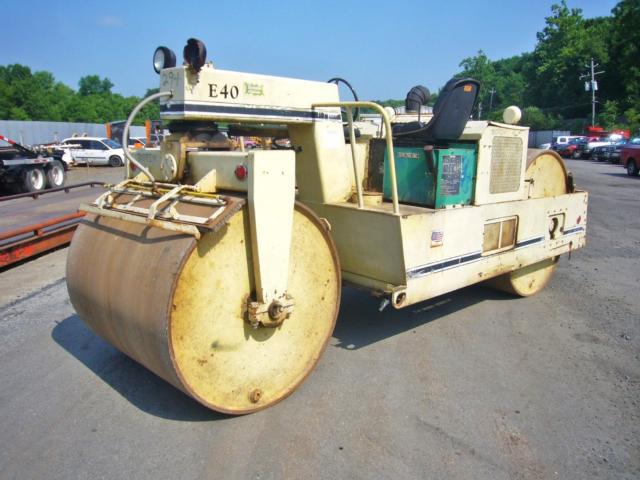
For contractors in New York, machine transport width, operating weight, and cold-weather starting can be practical decision points alongside compaction performance. A lighter 5 to 6 foot class roller may fit smaller paving crews, municipal patch work, and tighter commercial sites, while a 7 foot plus machine can improve production on road lanes and larger lots. Parts support should also be part of the buying decision, especially on older Ingersoll-Rand, Bomag, Ferguson, and Vibromax rollers. The best paving and compaction machine is the one matched to material type, lift thickness, site access, and the level of finish your jobs require.
Frequently Asked Questions
What is the difference between a double drum roller and a single drum vibratory roller?
A double drum roller uses steel drums front and rear and is primarily used for asphalt compaction and finish work. It delivers smooth, even contact across the mat and is common on parking lots, streets, and paving jobs where surface quality matters. A single drum vibratory roller has one steel drum and rear tires, and it is typically used for soil, gravel, and base compaction where deeper compactive effort and traction are needed.
What should I inspect first on a used paving or compaction machine?
Start with the vibration system, drum condition, hydrostatic drive performance, and articulation joint. A roller can run and move normally but still have costly issues in the exciter, drum bearings, or gearbox. Inspect the drums for cracks, welds, leaks, and flat spots, then verify that vibration engages properly at all available settings. On asphalt rollers, also test the full water spray system because pumps, nozzles, and lines are critical to keeping drums clean during operation.
How do drum width and operating weight affect compaction performance?
Drum width affects coverage per pass and influences productivity on larger jobs. Operating weight affects how much static force the machine applies before vibration is even considered. A wider, heavier roller can improve output on open paving and base work, but a smaller machine may be the better choice for patching, curbs, tight commercial lots, and trailer transport limits. The best combination depends on lift thickness, material type, and available jobsite space.
Are older mechanical diesel rollers still a practical buy?
Yes, many older rollers with mechanical diesel engines and hydrostatic drive systems are still practical for contractors who value simpler diagnostics and lower acquisition cost. The key is condition, not just age. A well-maintained older roller with solid drums, functional vibration, good hydraulics, and available parts support can still be a dependable machine for municipal work, paving support, and site development.
What features matter most for asphalt compaction versus soil compaction?
For asphalt compaction, focus on double drum design, water spray performance, drum edge visibility, smooth drum surfaces, and controllable vibration settings. For soil compaction, focus on drum type, machine weight, amplitude, frequency, traction, and gradeability. Asphalt finish work is about uniform density and clean drum performance, while soil compaction is more about penetration depth, material response, and keeping the machine effective on uneven ground.