
Mitsubishi Equipment For Sale Near Sparrow Bush, New York
Browse Mitsubishi trucking equipment for sale, including durable forklifts and material handling units built for warehouses, yards, and dock work.
Learn more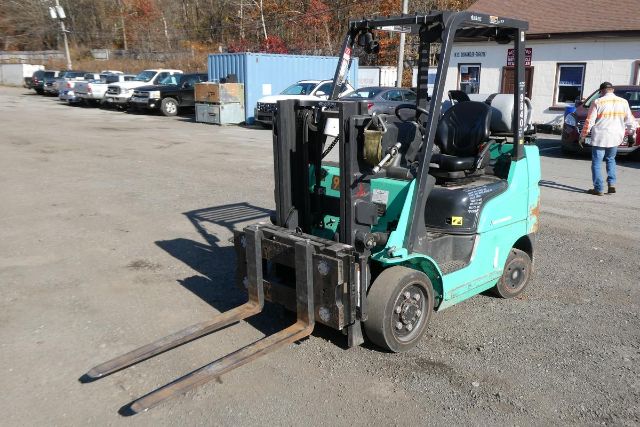
Have mitsubishi equipment to sell? List it here to reach thousands of buyers.
About Mitsubishi Equipment Near Sparrow Bush, New York
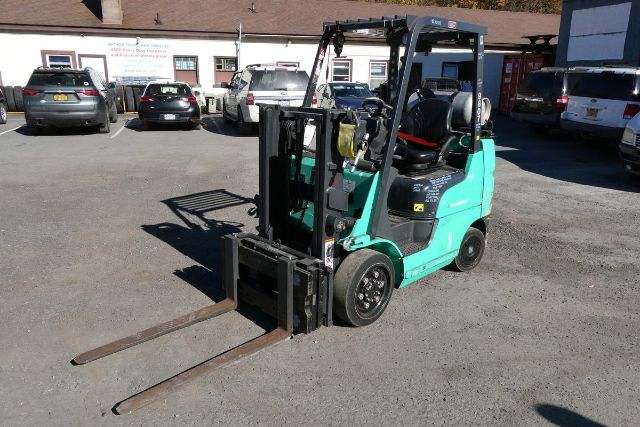
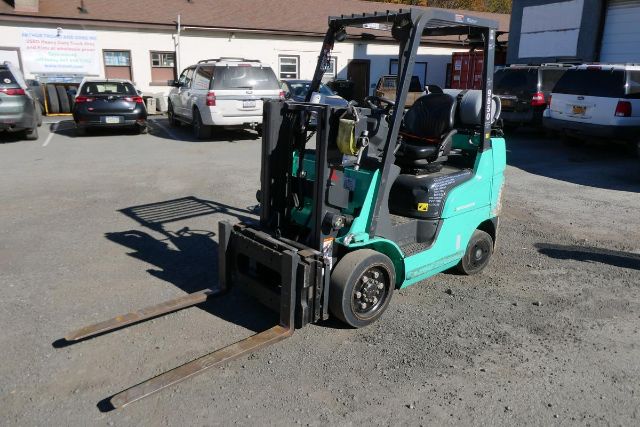
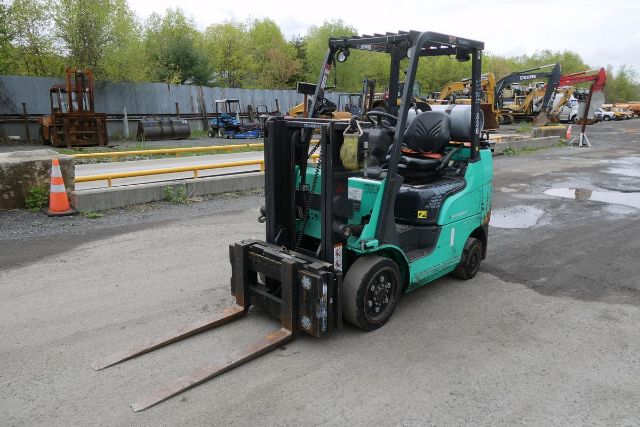
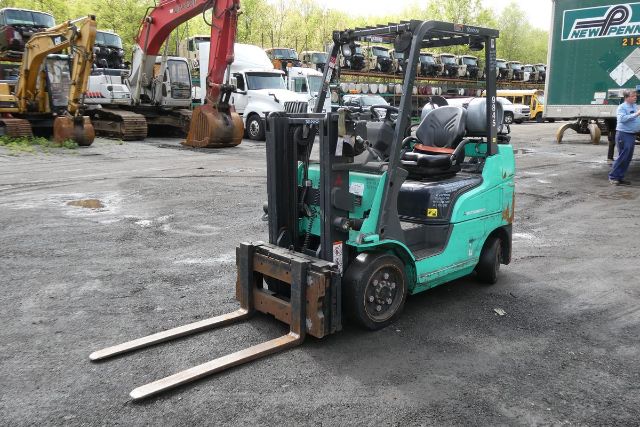
One of the first buying decisions is fuel type and tire configuration. Many Mitsubishi units in this class use a propane-powered 4-cylinder engine paired with an automatic transmission, which keeps operation straightforward for multi-shift environments and mixed operator experience levels. Cushion-tire models are best suited for smooth concrete floors, loading docks, and paved indoor-outdoor transitions. If the worksite includes rough yard surfaces, gravel, broken pavement, or uneven staging areas, pneumatic-tire configurations are usually the better fit. Buyers should also confirm mast style, collapsed height, and lift height before comparing units, especially if the forklift needs to enter trailers, pass through low door openings, or rack freight in tighter warehouse spaces.
Hydraulic side shift is one of the most valuable options in this category because it speeds up pallet placement and reduces repositioning in confined areas. Dual mast designs, backtilt function, fork length, and fork thickness all affect how well the machine handles real freight instead of just meeting a rated capacity number on paper. On used Mitsubishi equipment, pay close attention to mast wear, carriage play, lift and tilt cylinder condition, steer axle response, brake feel, and how smoothly the transmission changes direction from forward to reverse. Hour meter readings help establish service life, but overall condition, maintenance history, and evidence of dry hydraulics usually tell a more complete story.
For buyers in sparrow-bush, New York and the surrounding Northeast market, cold-weather starts, indoor emissions requirements, and parts support should all be part of the decision. Mitsubishi forklifts have a long track record in fleet, warehouse, and manufacturing settings, which makes them a practical choice when the priority is steady throughput and easy operator familiarity. The best unit is not just the one with the lowest hours. It is the one with the right capacity, mast geometry, tire type, and attachment setup for the freight you move every day.
Frequently Asked Questions
What type of Mitsubishi trucking equipment is most common in this category?
The most common Mitsubishi units in this category are forklifts used for freight handling, dock work, warehouse movement, and trailer loading. Many buyers will see LPG-powered lift trucks in the 5,000 lb capacity range because that size works well for palletized freight, general industrial materials, and everyday shipping and receiving tasks. These machines are often compact enough for indoor use while still having enough lifting ability for standard commercial operations.
Is a propane Mitsubishi forklift a good choice for warehouse and dock work?
A propane Mitsubishi forklift is a strong fit for warehouse and dock applications when fast refueling, consistent power delivery, and multi-shift use are priorities. LPG units are common in operations that need more runtime flexibility than battery charging schedules allow. Buyers should still verify ventilation requirements, indoor air rules, and the actual duty cycle of the operation, since some facilities may prefer electric units for emissions-sensitive environments.
What should I check first on a used Mitsubishi forklift?
Start with rated capacity, mast height, collapsed height, and tire type to make sure the machine fits the jobsite and the freight. After that, inspect the hydraulic system for leaks, test lift and tilt functions under load if possible, and check for play in the mast, carriage, and steering components. Service records, hour meter readings, brake performance, directional shifting, and fork wear are also important because they reveal how the forklift was used and maintained.
What is the difference between cushion tires and pneumatic tires on Mitsubishi forklifts?
Cushion tires are designed mainly for smooth indoor floors and paved dock areas, where tight turning radius and lower overall height are advantages. Pneumatic tires handle rougher outdoor surfaces better and generally provide more stability on uneven ground. Choosing the wrong tire type can limit where the forklift can work efficiently, so buyers should match the tire setup to the actual surface conditions instead of choosing based on price alone.
How important is side shift on a Mitsubishi forklift?
Side shift is one of the most useful hydraulic options because it lets the operator move the forks left or right without repositioning the entire truck. That saves time when entering pallets in tight trailer spaces, lining up loads on racking, or working in crowded dock lanes. For operations with frequent pallet handling, side shift usually improves productivity enough to be considered a must-have feature rather than a minor convenience.