
Komatsu Equipment For Sale Near Sparrow Bush, New York
Browse Komatsu trucking equipment for sale, including forklifts and yard support machines built for material handling, loading, and fleet operations.
Learn more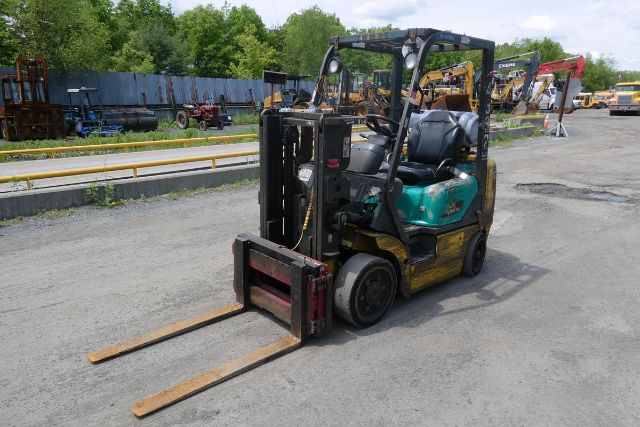
Have komatsu equipment to sell? List it here to reach thousands of buyers.
About Komatsu Equipment Near Sparrow Bush, New York
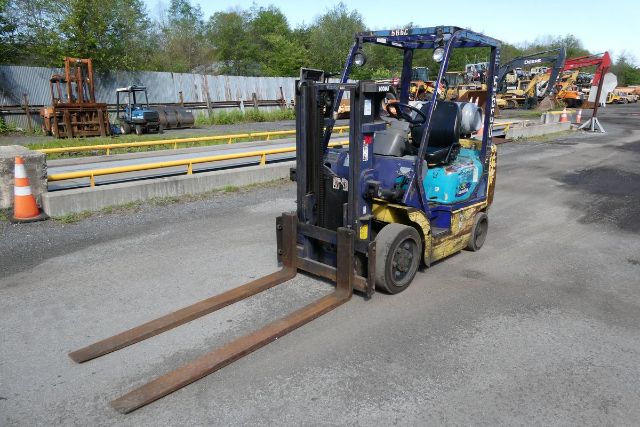
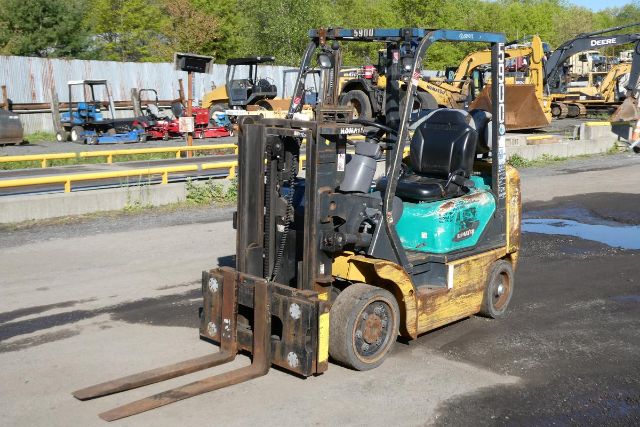
For many buyers, Komatsu forklifts are the most relevant category. Common capacities in the used market include roughly 4,000 to 6,000 pounds, with pneumatic-tire models that work well on mixed surfaces such as asphalt, gravel, and rough warehouse yards. Key specs to compare include overall lowered mast height, maximum lift height, fork length, side-shift availability, tilt function, turning radius, and machine weight. Propane units are especially common because they offer quick refueling and consistent performance in shipping and receiving work, while transmission behavior, mast wear, steer axle play, hydraulic leaks, and hour meter readings deserve close attention on any used lift.
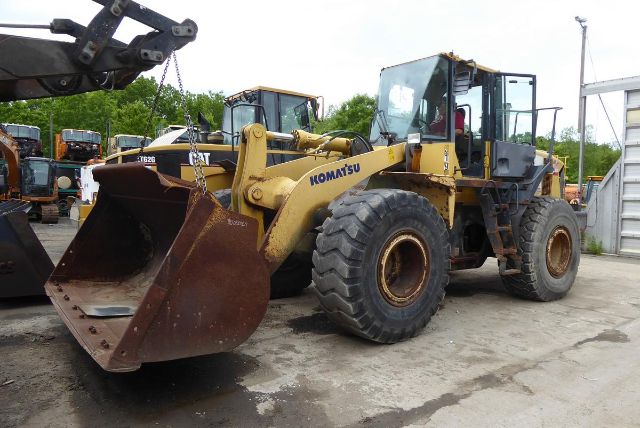
If the Komatsu equipment is being used to support trucking operations in a place like Sparrow Bush, New York, operating surface and seasonal conditions matter. Buyers should consider cold-weather starting, tire condition, brake response, visibility from the operator station, and whether an open ROPS or enclosed cab makes more sense for the job. On forklifts, mast channels, chains, carriage rollers, lift cylinders, and fork heel wear can tell you a lot about how the machine was used. If looking at larger Komatsu yard support equipment such as wheel loaders, the decision shifts toward bucket size, articulation joint wear, tire cost, hydraulic seepage, drivetrain condition, and engine performance under load.
The best Komatsu trucking equipment purchase is the one matched to the actual work cycle. A forklift handling standard pallets at a dock door has very different requirements than a machine loading flatbeds outdoors or moving heavy components in a repair yard. Buyers should confirm the attachment setup, fuel system, overhead clearance, and service access before making a decision. Komatsu equipment is generally valued for straightforward operation, solid parts support, and proven industrial design, which makes it a practical choice for fleets, shippers, and independent operations that need reliable yard and loading equipment.
Frequently Asked Questions
What types of Komatsu trucking equipment are most common on the used market?
Komatsu forklifts are among the most common units seen in trucking and warehouse support applications, especially propane-powered pneumatic-tire models used for loading trailers, moving pallets, and handling freight outdoors or on mixed surfaces. Buyers may also encounter larger Komatsu support machines such as wheel loaders in heavy yard, aggregate, or construction-related fleet operations. The exact fit depends on whether the machine will be used at a dock, in an open yard, or for heavier bulk material work.
What should I check first on a used Komatsu forklift?
Start with the basics that affect daily usability and repair cost: lift capacity, mast type, lowered mast height, maximum lift height, fork condition, and hour reading. Then inspect chain wear, mast rollers, hydraulic cylinders, carriage movement, tilt function, steer axle play, brake response, and transmission engagement in forward and reverse. Engine type also matters, especially on propane units, where buyers should confirm smooth starting, clean idle, and proper fuel system operation.
Is a propane Komatsu forklift a good fit for trucking and freight yards?
A propane Komatsu forklift is often a strong fit for trucking operations because it refuels quickly, delivers steady power, and works well in shipping, receiving, and trailer-loading cycles. Pneumatic-tire propane models are especially useful where the machine has to move between warehouse floors, paved lots, and outdoor yard areas. Buyers should still match the unit to the actual environment, because indoor-heavy applications may prioritize emissions rules and ventilation, while rougher outdoor use may require more tire and mast protection.
How do I choose the right lift capacity and fork setup?
The correct capacity depends on the true load weight, load center, pallet dimensions, and lift height required in daily operation. A nominal 4,000-pound forklift may be suitable for standard pallet freight, but long or uneven loads can reduce effective capacity and change stability. Fork length, fork thickness, and carriage setup should match the product being handled so the machine can safely enter pallets, support the load, and maneuver in tight dock or yard spaces without sacrificing control.
What matters most when comparing larger Komatsu support equipment like wheel loaders?
For larger Komatsu machines, buyers should focus on engine performance, transmission condition, hydraulic response, articulation joint wear, tire replacement cost, and bucket condition. These machines can be useful in truck fleet yards, bulk material sites, and heavy support roles, but repair exposure is much different than with a forklift. A loader that has weak hydraulics, drivetrain issues, or excessive play in pins and bushings can become expensive quickly, so condition under load is more important than appearance alone.