
John Deere Equipment For Sale Near Sparrow Bush, New York
Browse John Deere trucking equipment listings, including heavy-duty machines and support equipment built for jobsite hauling, loading, and fleet use.
Learn more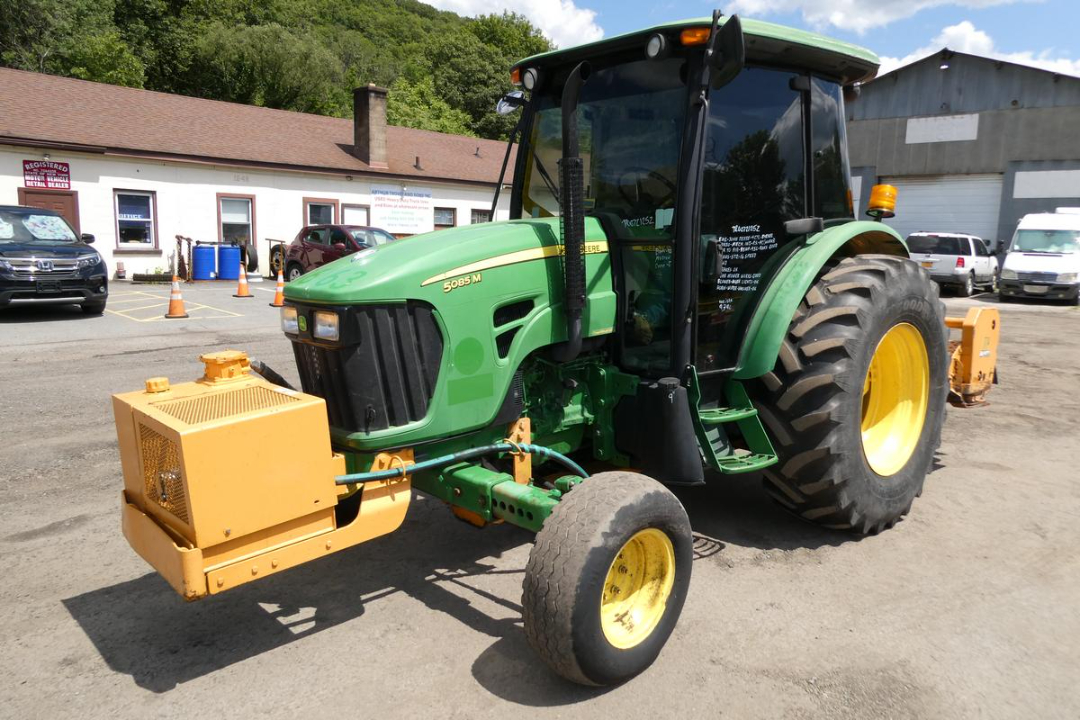
Have john deere equipment to sell? List it here to reach thousands of buyers.
About John Deere Equipment Near Sparrow Bush, New York
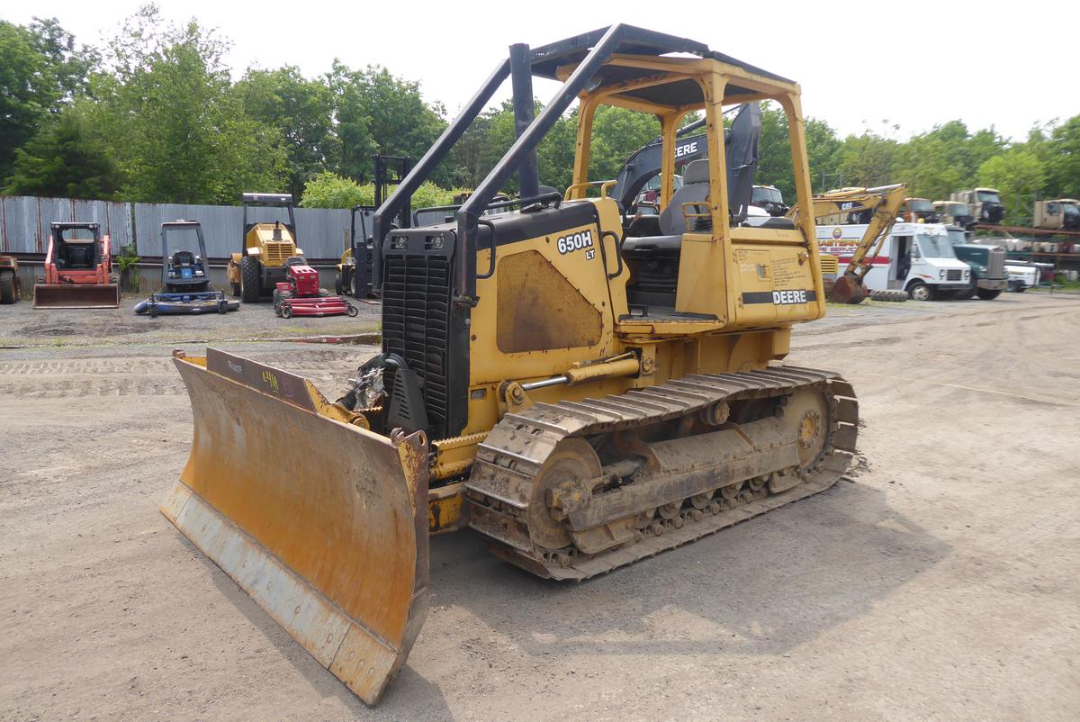
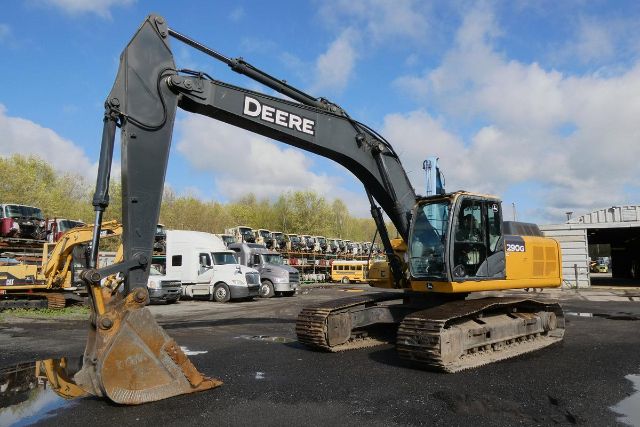
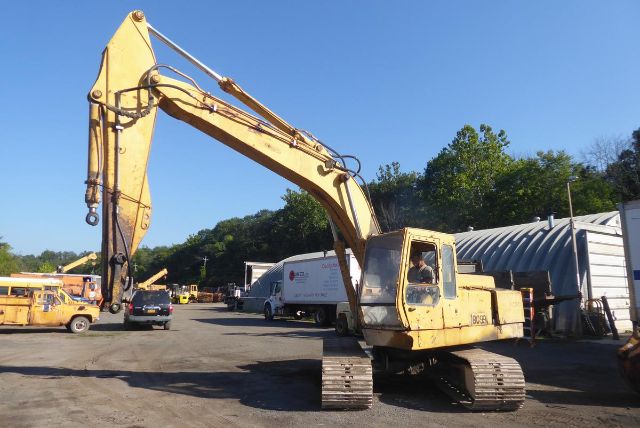
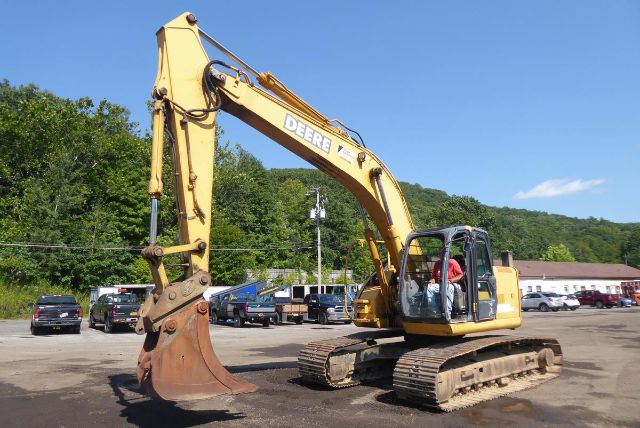
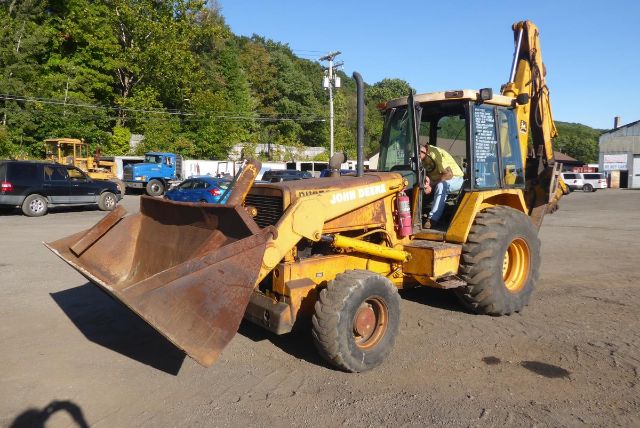
A smart buying decision starts with the application. Larger Deere excavators are often chosen for loading dump trucks, trenching, demolition prep, and utility work, while backhoes fit smaller excavation, municipal maintenance, and mixed-use fleets that need one machine to dig, lift, and travel around a property. Deere crawler dozers are common on clearing, grading, and road base jobs where track condition, blade configuration, and hydrostatic drive response matter more than cosmetic appearance. Deere tractors and related support equipment are also used by roadside contractors, landscape fleets, and municipal departments that need PTO capability, hydraulic attachments, and dependable diesel power. In this category, buyers should match machine size, operating weight, transport dimensions, and attachment setup to the trucks and trailers already in the fleet.
Common specs vary by machine type, but John Deere equipment in this class is typically built around diesel powerplants, enclosed or open operator stations, hydrostatic or powershift drivetrains, and attachment-ready hydraulic systems. On excavators, key checkpoints include boom and stick pin play, bucket wear, extra auxiliary lines, swing bearing condition, and undercarriage life. On backhoes, pay attention to 2WD versus 4WD, Extend-A-Hoe configuration, shuttle or powershift transmission operation, and seepage at cylinders. On dozers, evaluate rail and pad wear, roller condition, blade edge life, and steering performance under load. For tractors and PTO-driven support equipment, buyers should verify rear hydraulic capacity, hitch setup, PTO horsepower, axle configuration, and tire match for the intended terrain. Transport height, overall width, and operating weight are especially important in New York and the Northeast, where bridge clearances, seasonal conditions, and hauling permits can shape what equipment is practical to move.
Used John Deere trucking equipment is often judged less by age than by maintenance history and how hard the machine was worked. High hours are not unusual in this category, but excessive blow-by, weak hydraulics, non-functioning cab systems, leaking cylinders, worn pins and bushings, and low undercarriage percentage can quickly change the value equation. Buyers comparing multiple listings should look past model year and focus on service records, cold-start behavior, attachment compatibility, and the cost of catching up deferred repairs. A well-matched Deere machine can serve for years in excavation support, truck loading, land clearing, right-of-way maintenance, snow work, and property development, provided the specs and condition line up with the job.
Frequently Asked Questions
What types of equipment are usually included under John Deere trucking equipment?
This category typically includes heavy machines and support equipment that work alongside commercial trucks or require truck transport, such as excavators, backhoes, crawler dozers, agricultural tractors, and similar diesel-powered units. The exact mix can vary, but buyers generally find equipment used for loading, digging, grading, mowing, site prep, and jobsite support. The key buying point is not just the brand, but how the machine fits the hauling capacity, trailer setup, and work cycle of the fleet.
What should I inspect first on used John Deere heavy equipment?
Start with the expensive wear areas. On tracked machines, inspect the undercarriage, rollers, sprockets, pads, and track tension. On hydraulic machines, check every cylinder for seepage, look for play in pins and bushings, and verify smooth function through the full range of motion. On any Deere unit, evaluate engine cold start, blow-by, transmission or hydrostatic response, hour meter credibility, and signs of deferred maintenance. Cosmetic wear is common, but structural cracks, excessive looseness, and weak hydraulics usually matter far more.
Are John Deere machines a good fit for mixed fleets that already run different truck and equipment brands?
John Deere equipment is often a practical choice for mixed fleets because parts support is strong, controls are familiar to many operators, and the product range covers several applications. Many buyers run Deere machines alongside trucks, trailers, and support assets from other manufacturers without issue. The better question is whether the machine's transport weight, dimensions, hydraulic setup, and attachment connections fit the rest of the fleet. Compatibility with your trailer capacity, tie-down plan, and service network usually matters more than brand uniformity alone.
How important are transport dimensions when buying John Deere equipment in New York?
Transport dimensions are critical. Width, overall height, boom position, operating weight, and trailer deck height all affect legal hauling, route planning, and permit needs. In New York, buyers also have to think about tighter roads, bridge clearances, and seasonal job conditions. A machine that works well on the job can still be a poor fleet fit if it creates frequent permit requirements or forces you into specialized hauling every time it moves. Always compare shipping dimensions to your available truck and trailer combination before buying.
Is high-hour John Deere equipment still worth considering?
Yes, if condition and maintenance support the hours. Many John Deere machines are built for long service lives, and a higher-hour unit can still be a sound purchase when the engine is healthy, hydraulics are strong, the undercarriage or tires have life left, and major wear points have been maintained. Buyers should price in upcoming repairs such as pins and bushings, cylinder reseals, A/C work, or undercarriage replacement. A lower-hour machine with poor maintenance can be a worse value than a higher-hour unit with documented service and solid operating performance.