
Hyster Equipment For Sale Near Sparrow Bush, New York
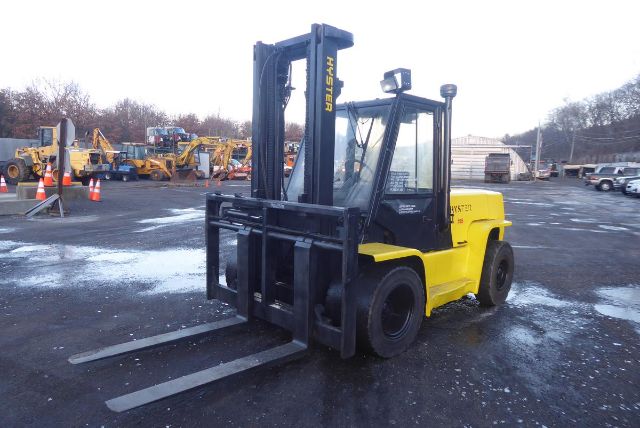
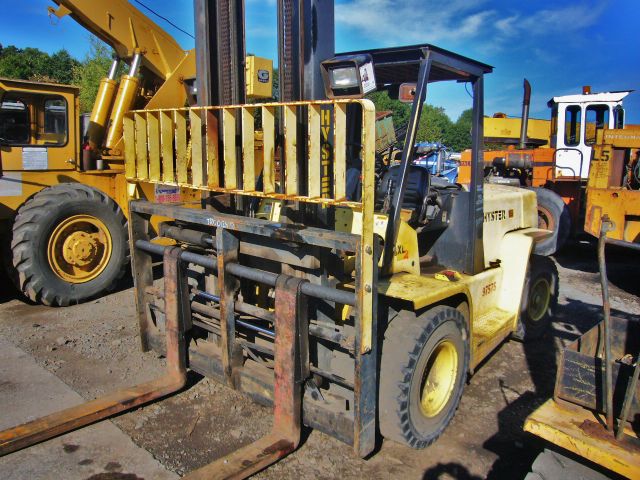
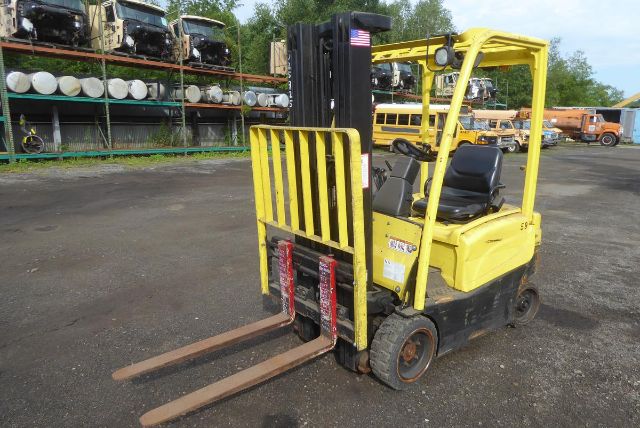
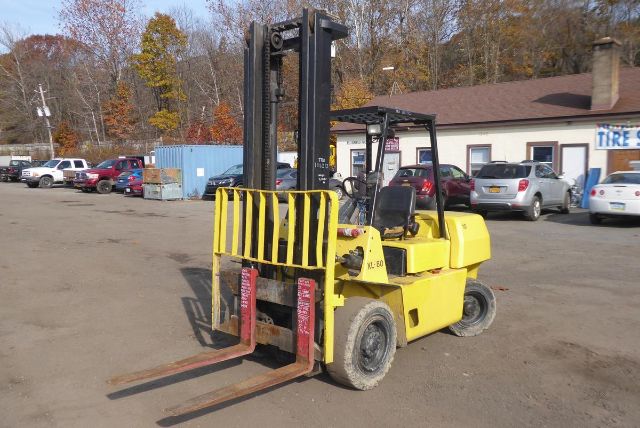
Browse Hyster trucking equipment for sale, including forklifts with electric, diesel, and propane power for warehouse, yard, and loading work.
Learn more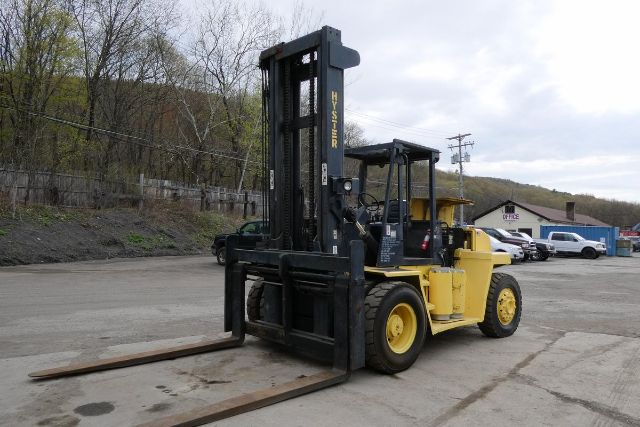
Have hyster equipment to sell? List it here to reach thousands of buyers.
About Hyster Equipment Near Sparrow Bush, New York
Power type is one of the first decision points. Electric Hyster forklifts are common in indoor applications where low noise, zero on-site emissions, and tighter turning are important. Battery voltage, amp-hour rating, charger compatibility, and battery age matter as much as hour meter readings on these machines. Diesel Hyster forklifts are often preferred for outdoor work, heavier lifts, and longer run times, especially in rougher yard conditions. Propane models remain popular in mixed indoor-outdoor operations because they refuel quickly and often have lower downtime than electric units in multi-shift use. Transmission type, monotrol pedal setup, and brake system design also affect operator preference and productivity, especially if the truck will be used by multiple drivers over long shifts.
Mast configuration deserves close attention because it drives both stacking performance and clearance. Common Hyster setups include double mast and triple mast designs, with lift heights that may fit standard trailers, dock work, or higher rack systems. Overall lowered mast height is critical if the forklift must pass through doors or work inside older buildings with limited clearance. Fork length, carriage width, side shift, back tilt, and fork positioners all change how useful a unit will be for your freight profile. Tire type matters too. Cushion or solid rubber tires are typical for smooth concrete floors, while pneumatic or air-filled tires are better for gravel, broken pavement, and outdoor yards. On larger forklifts, machine weight, axle loading, and transport dimensions can become just as important as rated capacity.
For buyers in sparrow-bush, new-york, Hyster equipment is often evaluated for a mix of warehouse use, flatbed unloading, lumber handling, machinery moving, and general freight support. A careful inspection should include mast channels, lift chains, hydraulic cylinders, steer axle wear, parking brake function, transmission engagement, and any signs of tire chunking or uneven wear. On electric models, inspect battery maintenance records and charging practices. On diesel or propane units, look for cold-start behavior, exhaust condition, and hydraulic responsiveness under load. A well-matched Hyster forklift can deliver strong parts support, familiar controls, and durable service in both dockside and yard applications, but the best value comes from matching capacity, mast, tires, and power source to the job instead of buying only by price or rated lift number.
Frequently Asked Questions
What should I look at first when buying used Hyster trucking equipment like a forklift?
Start with capacity, mast type, and power source. The forklift must handle your actual load weight at the required load center and lift height, not just the base rating on the data plate. After that, inspect the mast, chains, forks, carriage, hydraulic cylinders, transmission response, brake performance, steering play, and tire condition. On electric Hyster forklifts, battery condition and charger compatibility are major value factors. On diesel or propane units, engine starting, smoke, leaks, and hydraulic performance under load are key checkpoints.
Are electric or diesel Hyster forklifts better for most operations?
It depends on the work environment. Electric Hyster forklifts are usually better for indoor warehouse work because they are quieter, produce no on-site exhaust, and work well in narrow aisles or on smooth floors. Diesel models are generally better for outdoor yards, longer operating cycles, and heavier-duty lifting. Propane units fit operations that need quick refueling and flexibility between indoor and outdoor use. The best choice comes down to runtime needs, ventilation, floor conditions, and the weight and frequency of lifts.
Why does forklift capacity change when forks or attachments are added?
Forklift capacity is based on a specific load center and configuration. When longer forks, side shifters, fork positioners, clamps, or other attachments are installed, the load center often moves forward and usable capacity drops. Higher lift heights can reduce capacity as well. That is why a larger Hyster forklift may be de-rated when equipped with long forks or specialty attachments. Buyers should always verify the data plate and attachment rating together before assuming the machine will safely handle a given load.
What mast setup is best on a used Hyster forklift?
The right mast depends on ceiling height, trailer loading needs, and rack height. A double mast is common for straightforward yard and dock work and can be simpler in some applications. A triple mast gives more lift height while keeping lowered height manageable for indoor clearance and trailer access. Buyers should compare maximum lift height, lowered mast height, free lift, and overall visibility from the operator position. Those four points usually matter more in daily use than just the advertised maximum reach.
Do tire type and surface conditions matter that much on Hyster forklifts?
Yes. Tire selection directly affects traction, ride quality, operating cost, and where the forklift can be used. Solid or cushion-style tires are common on smooth concrete and indoor warehouse floors, where stability and low maintenance are priorities. Pneumatic or air-filled tires are better for uneven pavement, gravel, and outdoor lots because they absorb shock and improve traction. Buying the wrong tire setup can reduce productivity, increase operator fatigue, and limit where the machine can safely work.