
Grove Equipment For Sale Near Sparrow Bush, New York
Used Grove trucking equipment for sale, including cranes and boom lifts with specs on capacity, reach, driveline, hydraulics, and applications.
Learn more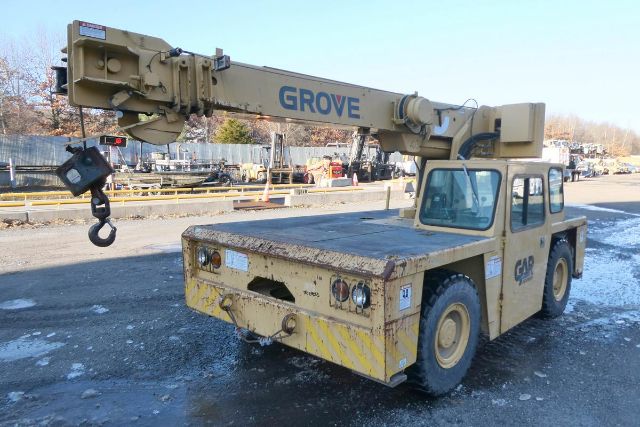
Have grove equipment to sell? List it here to reach thousands of buyers.
About Grove Equipment Near Sparrow Bush, New York
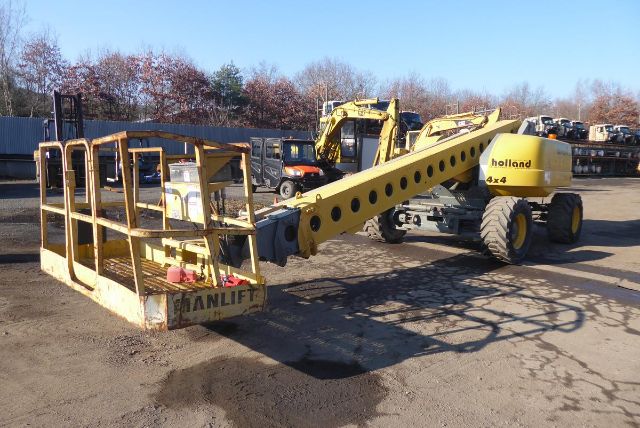
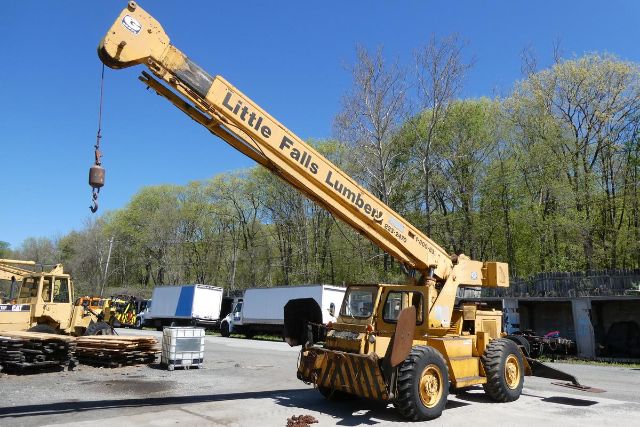
If the machine will spend most of its time on uneven ground, a Grove rough-terrain crane is typically the better fit. These units often use large flotation-style tires, short wheelbases, and multi-mode steering for maneuvering around tight jobsites. If the work is inside yards, plants, or fabrication facilities, a carry deck crane can make more sense because of its compact footprint and pick-and-carry capability. Grove boom lifts also show up in this category and are geared toward elevated access rather than material lifting, so platform height, horizontal reach, basket capacity, steering mode, and hydrostatic drive performance become the main decision points. Matching the equipment type to the actual job is critical because a 60-foot boom lift and a 10-ton crane solve very different problems even when both are Grove products.
From a spec standpoint, buyers should look beyond headline capacity. Boom length, jib length, load chart range, machine weight, travel dimensions, and powertrain setup all affect transport, jobsite access, and real-world performance. Older Grove equipment may be powered by Detroit, Deutz, Continental, or other industrial engines, with diesel, gas, propane, or dual-fuel configurations depending on application. Transmission design can vary from automatic to hydrostatic, and steering systems may include 2-wheel, 4-wheel, or crab steering. On used machines, serviceability matters. Check for clean hydraulic response, smooth boom extension and retraction, stable outriggers if equipped, and signs of structural repairs around the boom foot, frame, deck, and carrier.
A good Grove machine can still be productive for years if the structure is sound and the operating systems are sorted out. Buyers in New York and other Northeast markets should be especially alert to corrosion on cabs, decks, boom sections, hydraulic lines, and electrical connections, since weather exposure can accelerate wear. It also helps to confirm parts support for the specific model and engine package, especially on older units. The best buying decision usually comes down to application fit, complete operating condition, and how well the machine's lifting or access specs match the work you need it to do every day.
Frequently Asked Questions
What types of Grove trucking equipment are most common on the used market?
The most common Grove units found in this category are rough-terrain cranes, carry deck cranes, and boom lifts. Rough-terrain cranes are designed for off-road lifting with large tires, telescopic booms, and jobsite mobility. Carry deck cranes are compact industrial lifting machines built for tight spaces and pick-and-carry work. Grove boom lifts are intended for personnel access, so they are evaluated by platform height, outreach, and basket capacity rather than lifting tons of material.
What should I inspect first on a used Grove crane?
Start with the structure and hydraulic system. Inspect the boom sections for damage, weld repairs, twist, or excessive wear pads. Check the turntable, swing bearing area, lift cylinders, hoses, and winch function for leaks or abnormal movement. Confirm that the machine builds hydraulic pressure smoothly and that steering, brakes, and drive functions work as expected. Load chart availability, cab condition, tire condition, and signs of deferred maintenance should also factor heavily into value.
How important is boom length compared to lift capacity on Grove equipment?
Both matter, but capacity alone can be misleading without the load chart. A crane rated at 10 tons or 28,000 pounds may only achieve that capacity at short radius and lower boom extension. As boom length and working radius increase, usable lifting capacity drops. Buyers should compare maximum boom length, jib length, and actual charted capacity at the reach they use most often. For boom lifts, platform height and horizontal reach are usually more important than the machine's transport size alone.
Are older Grove machines still practical to own and operate?
Yes, many older Grove machines remain practical if they are structurally sound and the key systems are functional. Older units can be attractive because of simpler mechanical designs and lower acquisition cost. The tradeoff is that parts sourcing, brake repairs, hydraulic resealing, wiring issues, and engine support may take more effort depending on model age and engine brand. A thorough inspection is especially important on older machines because leaks, corrosion, and worn controls can turn a low-cost purchase into a high-cost repair project.
What is the difference between a Grove carry deck crane and a Grove rough-terrain crane?
A carry deck crane is a smaller industrial crane with a flat deck and compact chassis designed for maneuvering in plants, yards, and confined job areas. It is built to move loads short distances on the machine itself. A rough-terrain crane is larger, heavier, and better suited to uneven ground, outdoor construction sites, and higher-capacity picks. Rough-terrain models typically offer bigger tires, longer booms, and more off-road capability, while carry deck units prioritize compactness and tight turning.