
Agriculture - Tractors For Sale Near Sparrow Bush, New York
Used agriculture tractors for sale in Sparrow Bush, NY. Compare horsepower, 2WD or 4WD, PTO, hydraulics, cab options, loaders, and mower setups.
Learn more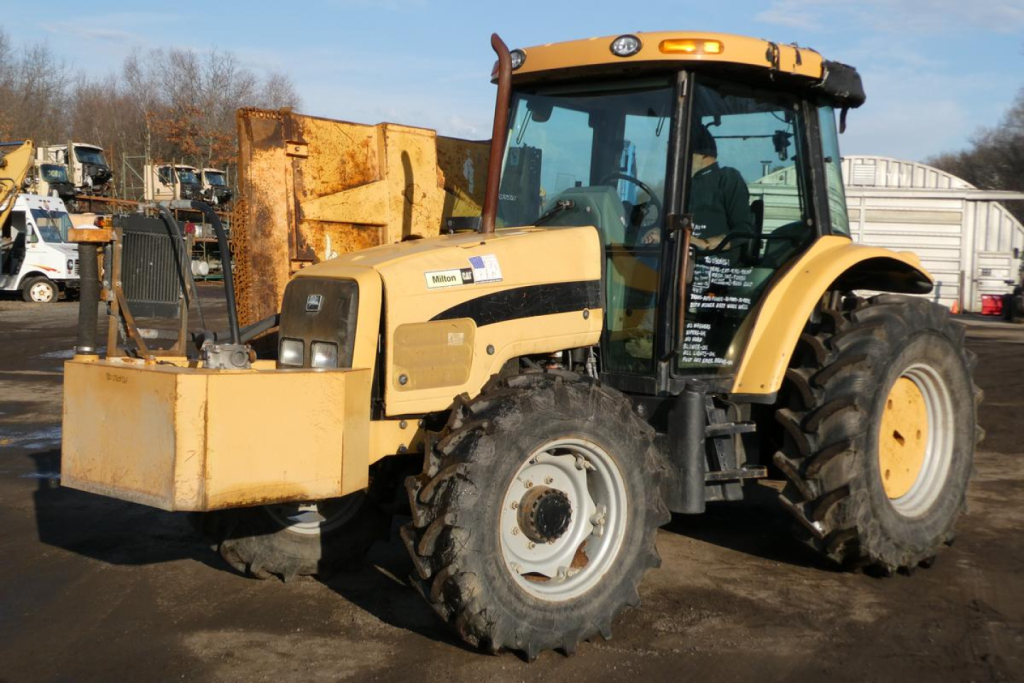
2008 Challenger MT455B
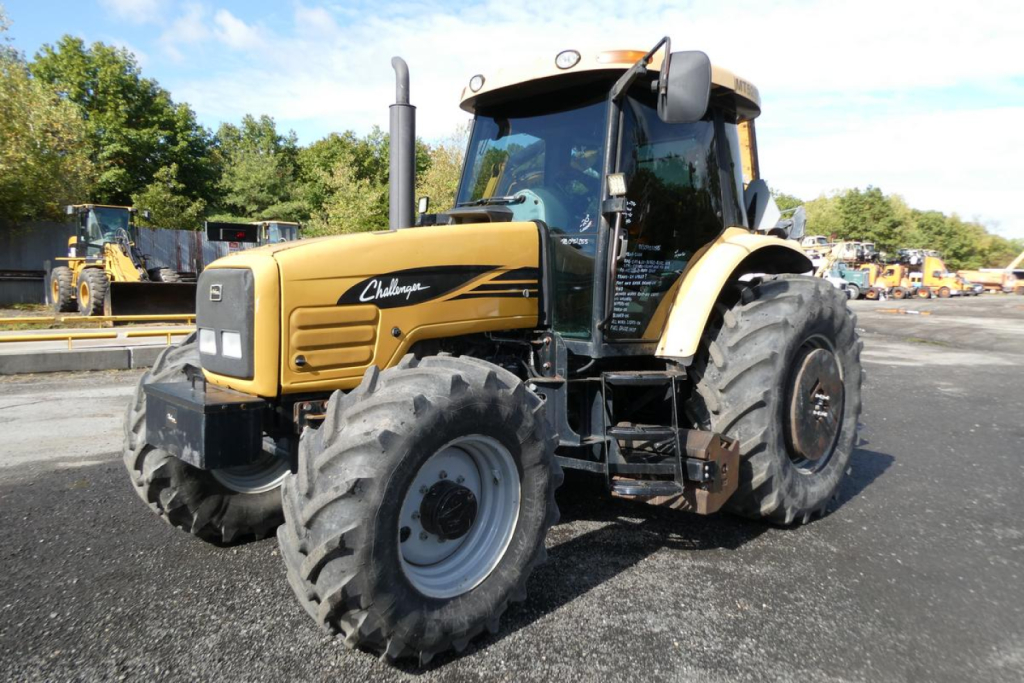
2005 Challenger MT525B
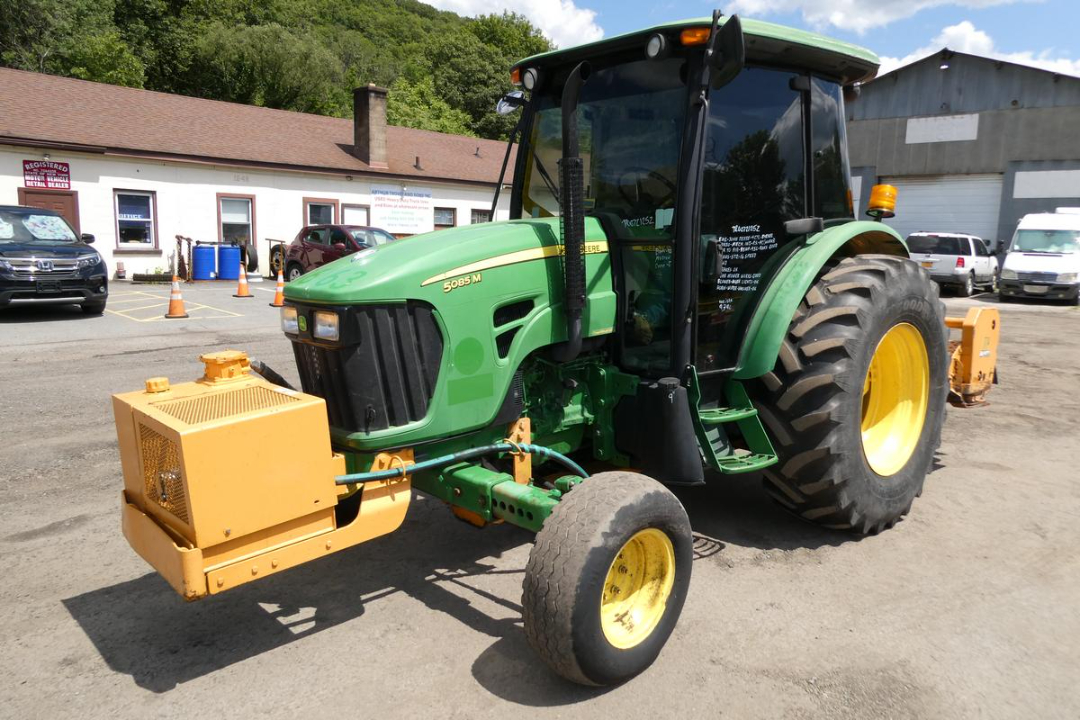
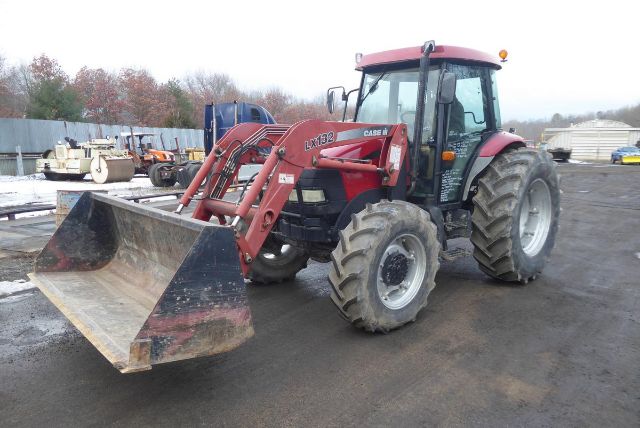
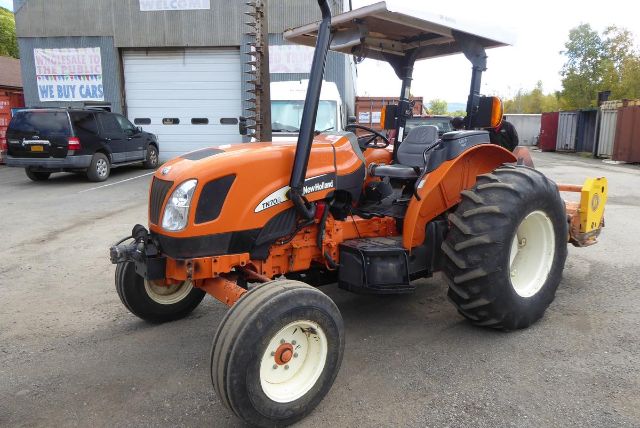
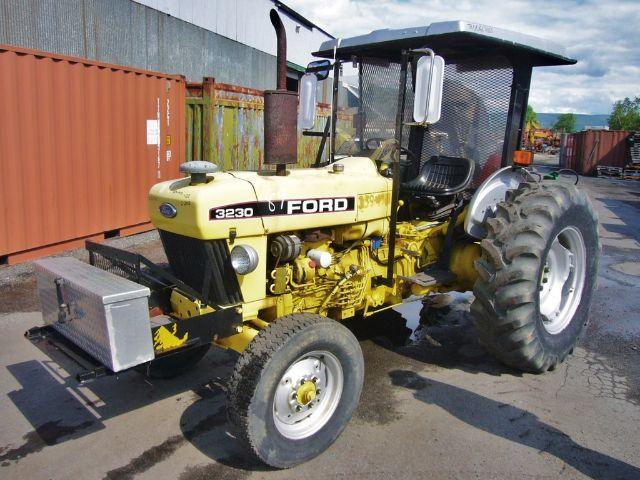
Have agriculture - tractors equipment to sell? List it here to reach thousands of buyers.
About Agriculture - Tractors Near Sparrow Bush, New York
Two-wheel drive tractors still make sense for lighter mowing, hay work, and general property maintenance on firm ground, especially when purchase price and simplicity are priorities. Four-wheel drive becomes more important when traction, loader work, mud, snow, hills, or soft field conditions are part of the job. Buyers should look closely at front axle condition, tire wear, rim condition, and whether the rears are loaded or calcium-filled for ballast. Tire sizing and overall tractor weight have a direct effect on stability, flotation, and pulling ability. On utility tractors in this class, a 3-point hitch and rear PTO are often the core features, and auxiliary hydraulics can add significant value if the tractor will power hydraulic mower heads, batwing support functions, or other hydraulic implements.
A lot of used agricultural tractors are configured for more than traditional farm work. Some carry front-end loaders for material handling, feed work, pallet forks, and snow removal, while others are equipped with side-arm flail mowers, ditch bank mowers, or rear-mounted rotary and sickle mowers for municipal and roadside use. If buying a tractor with an attachment, inspect the pump setup, cylinder condition, hose routing, PTO driveline, subframe or mount design, and overall compatibility with the tractor. Cab tractors with heat and air conditioning are more desirable for long mowing days and seasonal use, but cab function should be verified since AC issues are common on older units. ROPS style, visibility, step-up access, and control layout also matter if multiple operators will use the machine.
Hours are only part of the story on a used tractor. Service history, cold-start behavior, hydraulic response, clutch feel, PTO engagement, steering performance, brake function, and evidence of leaks usually tell more than the meter alone. Buyers should also confirm lift capacity, drawbar needs, transport dimensions, and trailer weight before purchase, especially for tractors carrying loaders or boom mowers. For operations in and around Sparrow Bush, New York, transport width, winter starting, and parts support for established brands can be just as important as raw horsepower. A well-matched agriculture tractor should fit the implements you already own, handle the terrain you work on, and leave enough hydraulic and power reserve for the next job rather than just the current one.
Frequently Asked Questions
What size agriculture tractor is best for mowing, loader work, and general property maintenance?
For mixed-use work, many buyers target the utility tractor range from about 50 to 100 horsepower. That size is large enough to handle common rear mowers, 3-point hitch implements, light tillage, and loader tasks, while still remaining manageable for transport and maneuvering. The better choice depends on implement size, terrain, and whether hydraulic attachments are involved. A 35 to 50 horsepower tractor may be enough for lighter mowing and maintenance, but loader work, heavy brush, and larger flail or rotary cutters often push buyers toward 75 horsepower and up.
Is 2WD or 4WD better on a used farm tractor?
Four-wheel drive is usually the better all-around choice when the tractor will see loader work, wet ground, hills, snow, or uneven field conditions. It improves traction, reduces wheel slip, and makes better use of available horsepower. Two-wheel drive can still be a practical option for flat ground, lighter mowing, and budget-conscious buyers who want a simpler machine with fewer front axle components to maintain. The decision should be based on actual working conditions, not just purchase price.
What should I check first on a used tractor with a mower or loader attachment?
Start with compatibility and hydraulic condition. Confirm the tractor has the correct PTO, hydraulic flow, mounting arrangement, and structural support for the attachment. Then inspect hydraulic pumps, cylinders, hoses, couplers, and control valves for leaks or weak performance. On loaders, look for pin wear, bucket edge wear, and signs of frame stress. On side-arm and flail mower setups, inspect boom pivots, head bearings, driveline components, and the condition of the cutting assembly. An attachment can add value, but only if it is functional and properly matched to the tractor.
How important is PTO horsepower compared with engine horsepower?
PTO horsepower is critical when the tractor will run powered implements such as rotary cutters, flail mowers, tillers, spreaders, or baling equipment. Engine horsepower gives a general sense of overall output, but PTO horsepower is the number that better reflects what is available at the shaft to drive the implement. A tractor may have enough engine power for transport and drawbar work yet still feel undersized on a PTO-driven machine if the PTO rating is too low. Buyers should match PTO requirements to the actual implement, not estimate from engine horsepower alone.
What matters most when evaluating tractor hours on a used machine?
Hours should be considered alongside overall condition, maintenance history, and type of use. A higher-hour tractor that was serviced consistently can be a better buy than a lower-hour machine with poor maintenance, long periods of sitting, or hard municipal mowing work. Check cold starts, blow-by, hydraulic response, transmission operation, steering play, brake performance, tire condition, and signs of fluid leaks or electrical issues. The hour meter is useful, but it should never be the only measure of value or remaining service life.