
Agriculture Equipment For Sale Near Sparrow Bush, New York
Browse agriculture equipment for sale, including mowers, turf machines, and grounds tools with specs that matter for commercial property work.
Learn more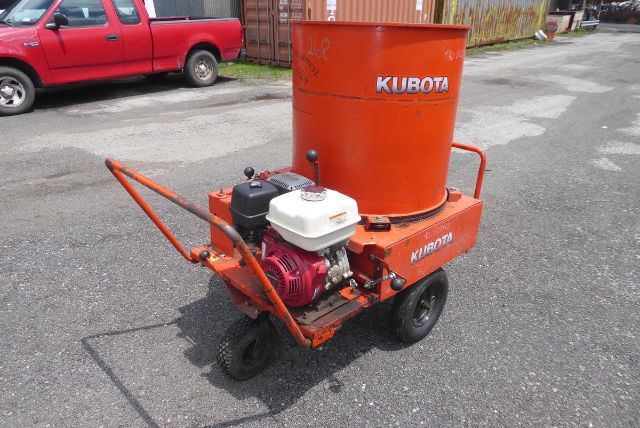
Have agriculture equipment equipment to sell? List it here to reach thousands of buyers.
About Agriculture Equipment Near Sparrow Bush, New York
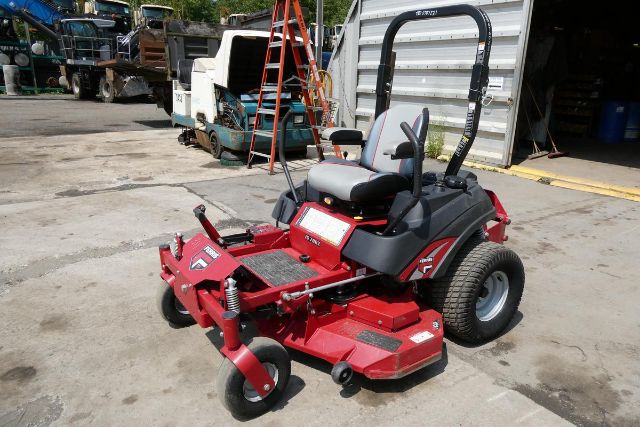
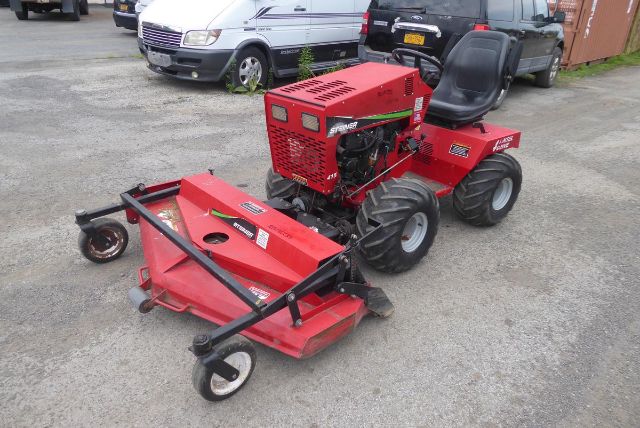
For mowing and turf applications, the biggest decisions usually come down to cut width, drive system, terrain capability, and service access. Zero-turn units are built for speed and tight maneuvering around obstacles, while articulated or front-mount machines can offer better visibility and attachment flexibility. Gas engines in the 20 to 25 hp range are common on lighter commercial units, and hydrostatic drives are popular because they simplify operation and improve control. Pay attention to hour meter readings, spindle and belt condition, tire size, ROPS presence, and the cut height range if finish quality is important.
Attachment-driven and specialty agriculture equipment deserves a closer look at hydraulic capacity, PTO or belt-drive layout, and how easily the machine switches between tasks. Front-mounted decks, sweepers, blowers, collectors, and seasonal implements can make one power unit useful year-round, but only if the hitching system and parts support are still practical. Weight, overall width, and trailer fit are also key buying points, especially for contractors moving equipment between properties in New York where access can be tight and road transport is part of the daily routine.
Condition matters as much as specifications in this category. On used agriculture equipment, buyers should inspect frame cracks, deck rust, hydro response, engine cold-start behavior, steering play, and evidence of regular grease service. Machines that run well but have worn tires, weak batteries, loose linkages, or neglected belts can still turn into immediate repair costs. A good listing in this class should give you enough detail to judge horsepower, drivetrain, dimensions, weight, attachment setup, and overall suitability for the type of mowing, material collection, or property maintenance work you need to handle.
Frequently Asked Questions
What types of machines are usually listed under agriculture equipment?
This category often includes compact tractors, zero-turn mowers, front-mount mower units, turf care machines, debris collectors, towable grounds equipment, and other property maintenance tools. On a trucking marketplace, these are typically machines that can be transported on a utility trailer, equipment trailer, or light-duty flatbed. The category can cover both farm support equipment and commercial grounds maintenance units, so the listed dimensions, weight, and attachments are important for identifying the machine's real use case.
What should I check first on used agriculture equipment?
Start with the powertrain, operating hours, and the parts that do the work. That means engine start-up, smoke, fluid leaks, hydrostatic response, PTO or belt-drive operation, deck condition, tire wear, and attachment function. Structural condition is also critical, including frame integrity, weld repairs, rust around mounting points, and steering or linkage play. A machine with average cosmetic wear but solid mechanical condition is usually a better buy than one that looks clean but has weak hydraulics or a neglected drive system.
Is a hydrostatic drive better for mowing and grounds work?
Hydrostatic drive is common on mowing and grounds equipment because it gives smoother speed control, easier direction changes, and better precision around obstacles. That makes it a strong fit for commercial mowing, institutional grounds, and property maintenance where maneuverability matters. It does require proper maintenance, and a weak or noisy hydro system can be expensive to repair, so buyers should test for consistent travel speed, responsive controls, and normal operating temperature.
How do I choose the right mower or turf machine size?
Match the machine to the property layout, not just the acreage number. A wider deck increases productivity on open ground, but it can become a disadvantage if gates, trees, landscaping, or transport space are tight. Buyers should compare overall machine width, deck width, trailer capacity, terrain, and the desired finish quality. On rougher ground or mixed-use properties, a slightly smaller but more versatile machine can be more productive than a larger unit that struggles with access.
Why do transport dimensions matter when buying agriculture equipment?
Transport dimensions affect trailer fit, legal hauling, storage, and daily jobsite efficiency. Length, width, height, and operating weight determine whether the machine fits alongside other equipment, clears garage doors, or requires a heavier trailer and tow vehicle. In regions with smaller lots, narrow roads, and mixed residential-commercial routes, compact dimensions can be a real advantage. Buyers should verify machine width with attachments installed and confirm the total hauling weight before making a decision.