
2017 Equipment For Sale Near Sparrow Bush, New York
Browse 2017 trucking equipment listings in Sparrow Bush, New York. Compare specs, applications, condition, and key buying points by equipment type.
Learn more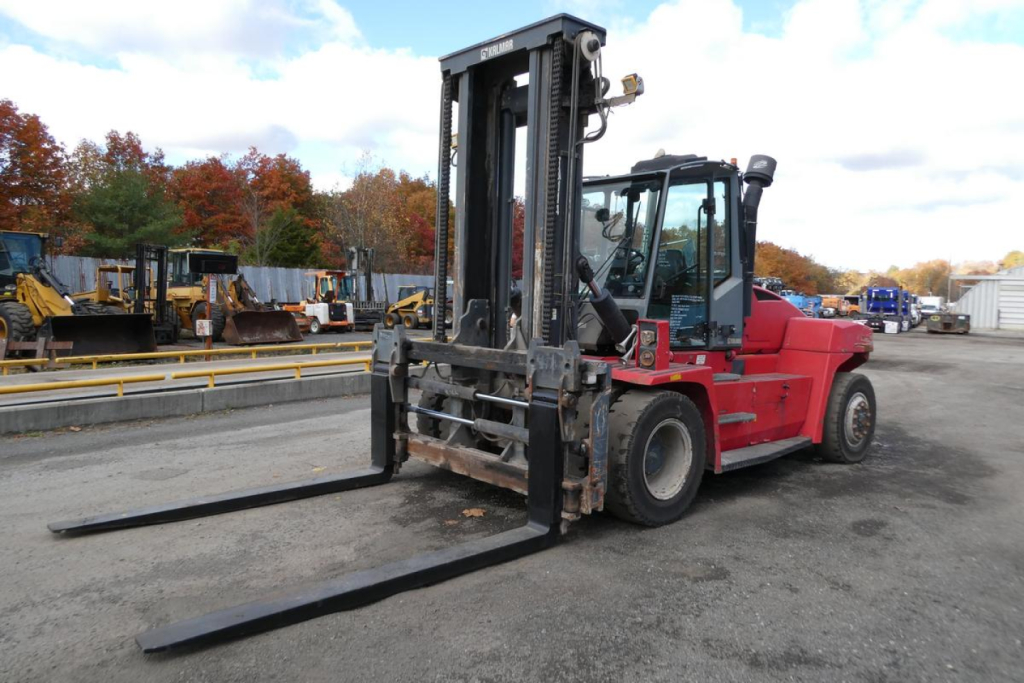
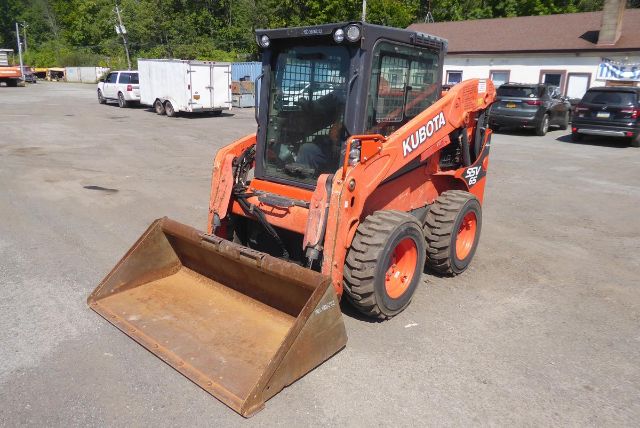
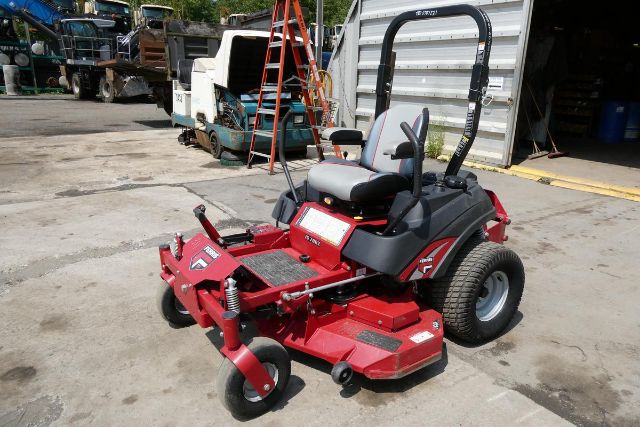
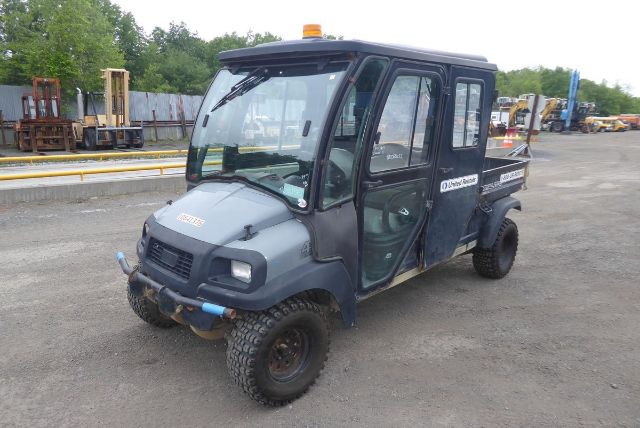
Have 2017 equipment to sell? List it here to reach thousands of buyers.
About 2017 Equipment Near Sparrow Bush, New York
Condition matters more than the calendar year alone. On used 2017 trucking equipment, key evaluation points usually include engine hours or mileage, service records, tire or undercarriage condition, hydraulic response, PTO operation where applicable, brake and suspension wear, electrical function, and evidence of frame or structural repairs. Buyers should also check for emissions-related maintenance history, especially on diesel-powered units using EGR, DPF, or SCR systems. A clean pre-purchase inspection is especially important when comparing machines that may look similar on paper but have been used in very different duty cycles such as local yard work, municipal operation, construction support, or over-the-road service.
Specs should be reviewed in the context of the application, not just the listing title. Trucking equipment can cover a wide range of categories including trailers, vocational trucks, material handling equipment, loading equipment, and support machinery used around terminals, farms, and job sites. Important specs vary by class but often include GVWR, axle ratings, wheelbase, engine horsepower, torque, transmission type, hydraulic capacity, lift capacity, trailer length, kingpin settings, suspension design, tire size, and body configuration. Regional buyers in Sparrow Bush, New York often pay close attention to cold-weather starting performance, corrosion exposure, and parts support, especially for equipment that will see seasonal use or mixed on-road and off-road duty.
A strong 2017 unit is usually one with documented upkeep, correct spec for the workload, and no mismatch between design and application. A machine built for warehouse handling is different from one intended for rough terrain, and a road tractor spec is different from a vocational chassis built for dump, tank, or rollback service. Buyers comparing 2017 trucking equipment should look past cosmetic cleanup and verify how the equipment was actually used, what attachments or options are installed, and whether the current setup fits payload, terrain, clearance, and compliance requirements in New York and surrounding markets.
Frequently Asked Questions
Is 2017 a good year to buy used trucking equipment?
2017 is often a strong buying range because it is new enough to offer improved controls, safety features, and in many cases better operator comfort than older equipment, but old enough to be priced below late-model units. The real value depends on maintenance history, actual hours or mileage, and whether the equipment was spec'd correctly for the work. A well-kept 2017 machine can outperform a newer unit that was poorly maintained or incorrectly used.
What should I inspect first on 2017 used trucking equipment?
Start with the highest-cost systems and the most application-critical components. That usually means engine condition, transmission operation, hydraulics, frame integrity, suspension, brakes, tires, electrical systems, and any emissions components on diesel equipment. For material handling or construction-related equipment, buyers should also inspect pins and bushings, cylinders, undercarriage or tire wear, lift functions, and attachment interfaces. Service records and a cold start evaluation can reveal a lot quickly.
Are emissions systems a concern on 2017 diesel equipment?
They can be, especially if maintenance has been inconsistent. Many 2017 diesel machines and trucks use emissions technology such as EGR, DPF, and SCR systems, and those components need proper service to stay reliable. Buyers should look for records showing regular regeneration history, sensor replacement when needed, DEF system service, and no signs of repeated derates or fault-code clearing without actual repair. A diagnostic scan is a smart step before purchase.
How do I know if a 2017 piece of equipment is spec'd correctly for my operation?
Compare the equipment's ratings and configuration to the work it will actually perform. For trucks and trailers, that includes GVWR, axle capacity, wheelbase, suspension, body style, and powertrain. For loaders, forklifts, and other support equipment, it includes lift capacity, operating weight, hydraulic flow, tire type, dimensions, and ground conditions. The goal is to avoid under-spec equipment that wears out early and over-spec equipment that adds unnecessary cost, fuel burn, or transport limitations.
What matters most when comparing multiple 2017 equipment listings?
The best comparison points are documented maintenance, total use, current wear items, configuration, and job fit. Two 2017 units with the same brand and model can differ substantially based on hours, environment, operator habits, and repair quality. Buyers should compare inspection results, not just asking price. A slightly higher-priced unit with stronger tires, better service records, cleaner hydraulics, and less structural wear can be the better long-term buy.