
2014 Equipment For Sale Near Sparrow Bush, New York
Browse 2014 trucking equipment for sale, including forklifts and support machines, with specs buyers compare most: capacity, hours, powertrain, and condition.
Learn more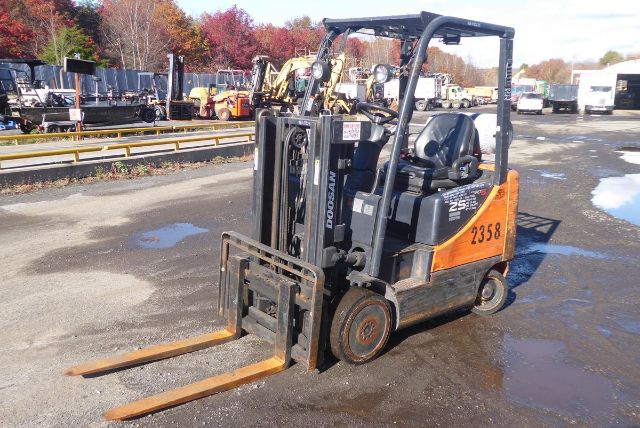
Have 2014 equipment to sell? List it here to reach thousands of buyers.
About 2014 Equipment Near Sparrow Bush, New York
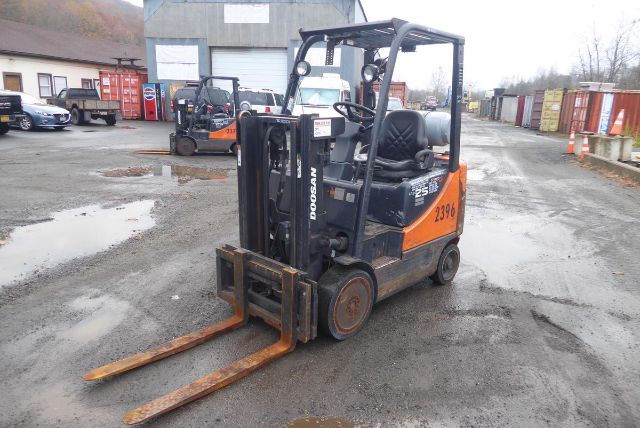
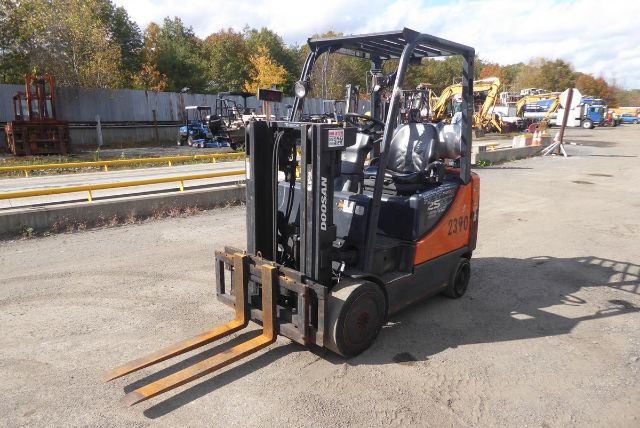
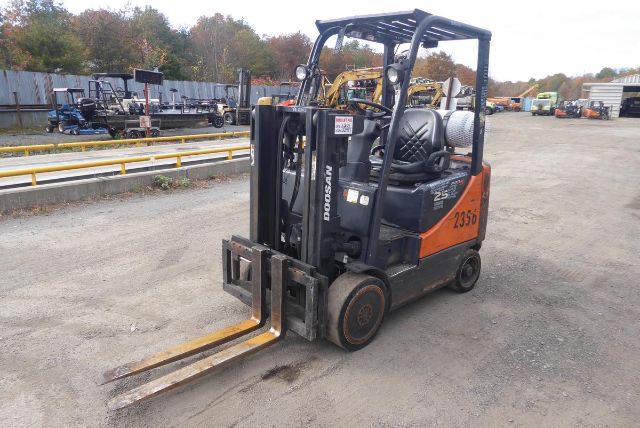
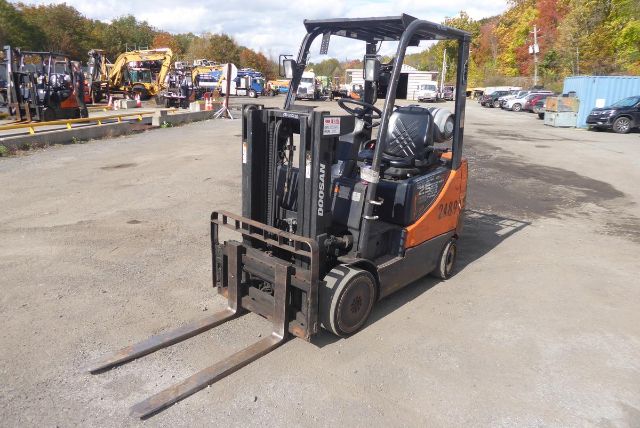
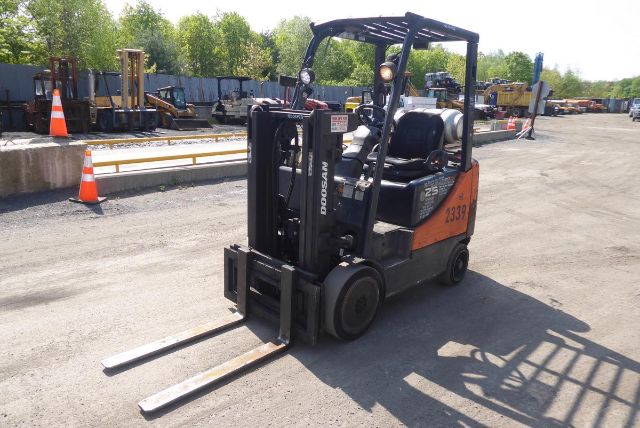
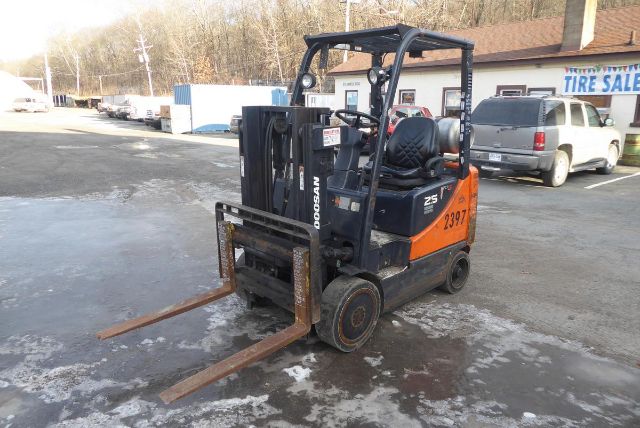
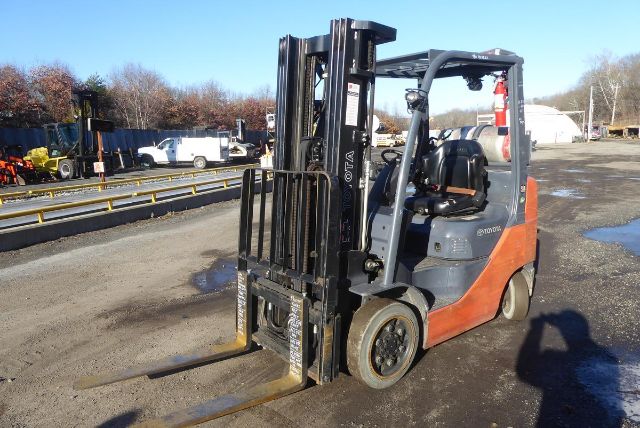
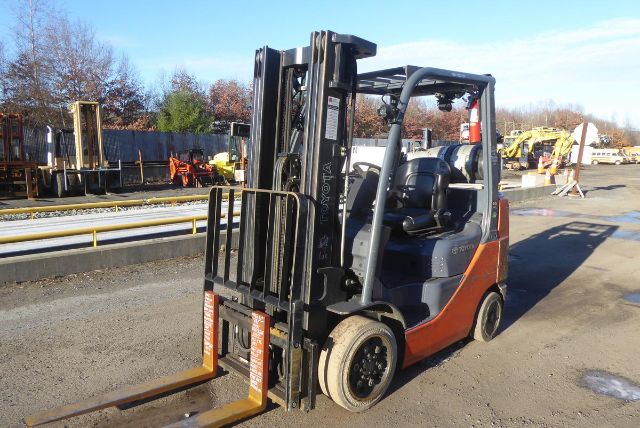
If the equipment type is a forklift, the key buying points are usually capacity, mast style, side shift, tire type, and power source. Common cushion-tire propane forklifts in this age range are often rated around 3,000 to 5,000 pounds and are used for dock work, warehouse loading, pallet handling, and trailer unloading. Buyers should confirm actual fork length and thickness, lowered mast height, maximum lift height, and whether the truck has a dual-stage or triple-stage mast. Hydraulic side shift, back tilt, cylinder condition, and brake function matter as much as engine performance because they directly affect daily usability and safety.
A 2014 unit should also be evaluated by hours, leak history, starting behavior, and how well it fits the operating surface. Solid tires are common on indoor and paved-yard forklifts, while loader-type support equipment may use heavier industrial or press-on tire setups for mixed surfaces. Propane-powered machines remain popular for fast refueling and steady performance in warehouse and yard applications, while diesel support equipment is more common where torque and outdoor duty cycles matter. Buyers in New York often pay close attention to cold-start performance, heating systems on enclosed-cab machines, and corrosion on frames, masts, floors, and hydraulic lines due to winter exposure.
The smartest way to shop 2014 trucking equipment is to match the machine to the job cycle, not just the price tag. Check rated capacity at the actual load center, inspect mast rollers and chains, verify transmission engagement in forward and reverse, and look for seepage at tilt and lift cylinders. On loader or yard-support equipment, inspect articulation, bucket wear, quick-coupler function, and axle condition. A well-maintained 2014 machine can still deliver reliable service in regional freight terminals, LTL docks, warehouse operations, lumber yards, and contractor supply environments if the specs line up with the work.
Frequently Asked Questions
What should I check first when buying 2014 trucking equipment?
Start with the machine’s actual application, then verify the core mechanical condition. On forklifts, that means rated capacity, mast height, fork condition, side shift operation, brake performance, tire wear, and any hydraulic leaks. On support equipment such as small loaders, focus on engine start-up, transmission response, articulation or steering play, hydraulic function, and structural wear. Hours matter, but maintenance history, cold-start behavior, and evidence of consistent service usually tell you more than the meter alone.
Is 2014 model year equipment still a good value for fleet and warehouse use?
Yes, 2014 equipment can still be a strong value if it has been maintained properly and the specs fit the intended workload. Many machines from this model year remain attractive because they are simpler than some newer units, parts are generally available, and technicians are familiar with the platforms. The real value comes from buying a machine with the right lift capacity, power source, and mast or attachment setup rather than stretching for a newer unit that does not match the job.
What capacity range is common for 2014 forklifts used in trucking operations?
A common range is roughly 3,000 to 5,000 pounds for general dock, pallet, and trailer-loading work, though heavier capacities are available depending on the chassis and mast configuration. Buyers should not rely only on the headline capacity number. Capacity changes with load center, lift height, attachment use, and fork length, so it is important to confirm the data plate and match it to the actual freight being handled.
What fuel type makes the most sense for 2014 material-handling equipment?
Propane is common for indoor-outdoor forklift work because refueling is quick and performance is consistent through long shifts. Diesel is often preferred for outdoor equipment and heavier-duty cycles where torque and runtime are priorities. The best choice depends on ventilation, refueling setup, surface conditions, emissions requirements, and how many hours the machine will run each day. Buyers should also account for local service support for the engine and fuel system they choose.
What condition issues are most important on used 2014 equipment in New York?
In New York, corrosion and cold-weather operation are major concerns. Check frames, cabs, mast channels, battery areas, brake components, hydraulic lines, and undercarriage or axle areas for rust and winter-related wear. On enclosed-cab machines, verify heat and defrost operation. On any machine, watch for hard cold starts, smoke at start-up, weak hydraulics when cold, and seepage that becomes more obvious after the system reaches operating temperature.