
Trucks For Sale Near Waterford, Connecticut
Browse trucks for sale in Waterford, CT, including medium-duty and vocational models for delivery, service, utility, and municipal work.
Learn more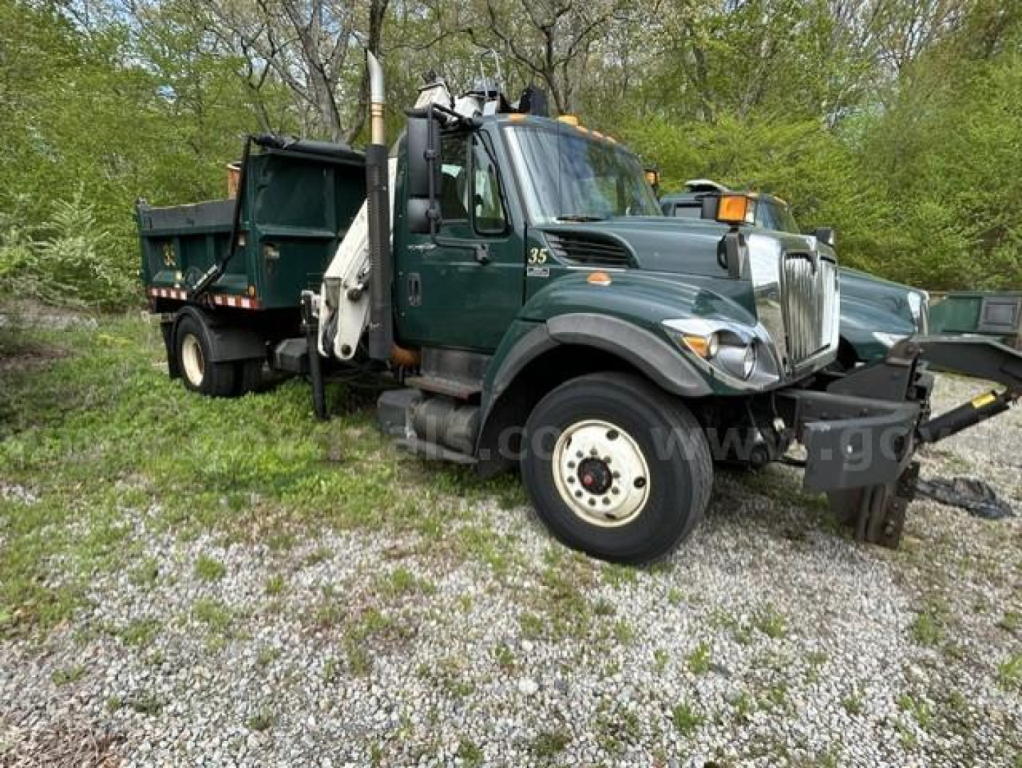
Have truck to sell? List it here to reach thousands of buyers.
About Trucks Near Waterford, Connecticut
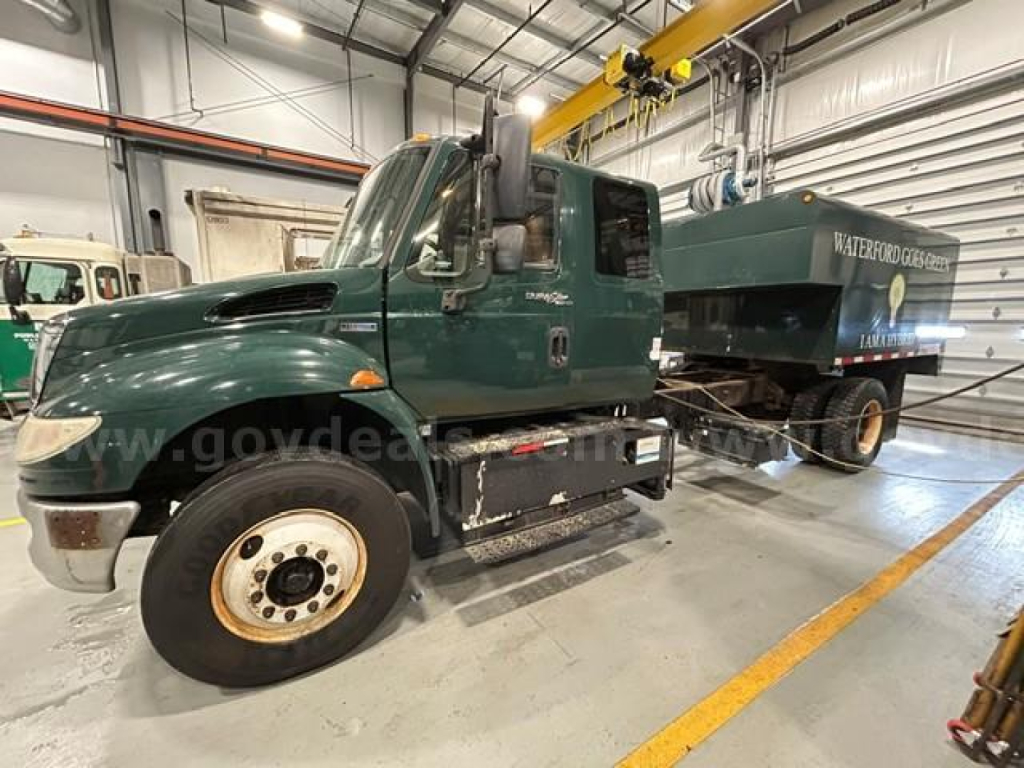
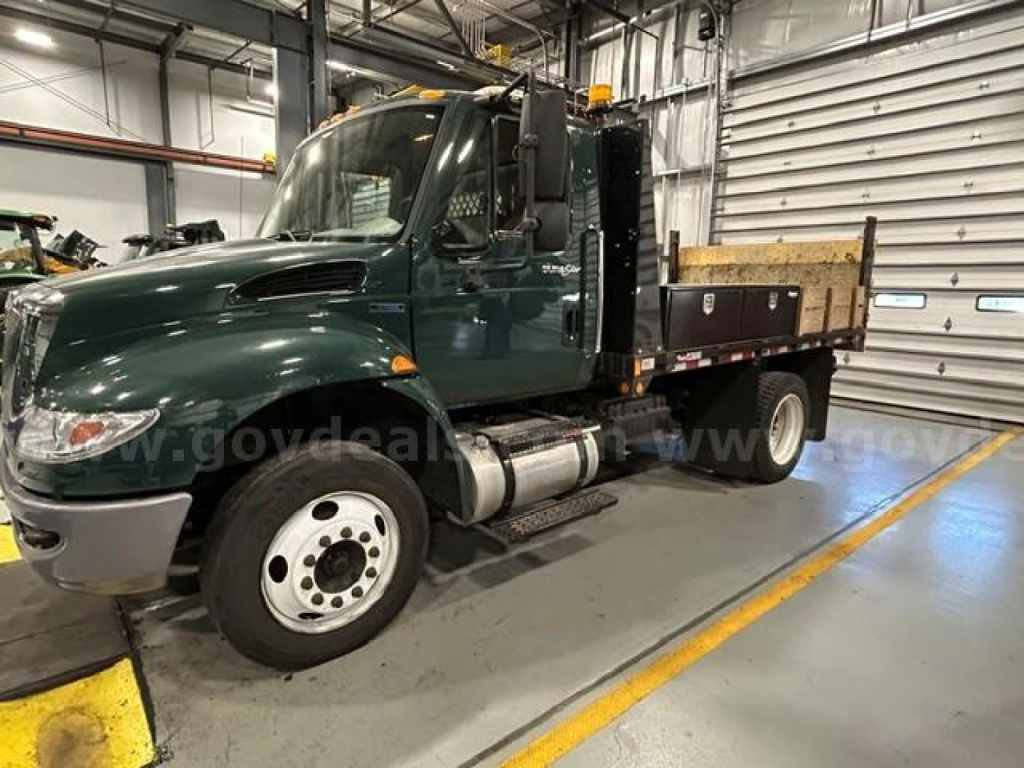
A buyer should look closely at GVWR, front and rear axle capacities, engine family, transmission type, and brake system. Medium-duty trucks such as an International 4300 are often chosen for their balance of maneuverability, body-builder flexibility, and parts support. Diesel power remains common, paired with automatic transmissions in many municipal and vocational applications, while hydraulic PTO compatibility can matter if the truck will run compressors, cranes, pumps, or dump functions. Wheelbase and cab-to-axle dimensions are critical because they determine what body can be installed and how the truck will carry weight.
Condition matters as much as spec. On used trucks, service history, idle hours, rust exposure, frame condition, suspension wear, tire age, and brake life can tell you more than the odometer alone. Buyers in coastal Connecticut should pay extra attention to corrosion on frames, crossmembers, electrical connections, fuel and brake lines, and underbody-mounted components. If the truck has an existing vocational body, inspect the PTO, hydraulics, outriggers, packer systems, liftgates, or utility compartments with the same care as the chassis. A clean cab and drivetrain do not offset a poorly maintained body or weak hydraulic system.
The strongest value in this category comes from matching the truck to the route, load, and job cycle. Tight local work may favor a shorter wheelbase and automatic transmission, while utility and municipal operations may need higher-capacity front axles, locking differentials, or crew-cab seating. Buyers comparing trucks for sale in Waterford should also consider CDL thresholds, bridge law implications, and whether a truck is already titled and equipped for the intended work. A truck that is correctly spec'd from the start is easier to put to work, easier to maintain, and usually cheaper to own over time.
Frequently Asked Questions
What should I check first when buying a used truck in this category?
Start with the truck’s intended job, then verify GVWR, axle ratings, wheelbase, cab-to-axle measurement, and body compatibility. After that, review engine and transmission specs, maintenance records, frame condition, brake and tire wear, and any rust or corrosion. On a vocational truck, the body and auxiliary equipment should be inspected just as carefully as the chassis because hydraulic, electrical, and PTO repairs can add significant cost after purchase.
Are medium-duty trucks like the International 4300 good for utility and municipal work?
Yes. Medium-duty trucks in this class are widely used for service bodies, box trucks, stake bodies, small dumps, and municipal support roles because they balance maneuverability with useful payload capacity. They are also common fleet platforms, which helps with parts availability, technician familiarity, and body-builder support. The key is confirming that the exact truck’s axle ratings, wheelbase, and PTO provisions match the body and work cycle you plan to run.
Why does wheelbase matter so much on a truck?
Wheelbase affects turning radius, ride quality, bridge weight distribution, and most importantly body fitment. A truck can have the right engine and GVWR but still be a poor choice if the wheelbase or cab-to-axle dimension does not work with the body length you need. Shorter wheelbases are usually better for tight urban or yard access, while longer wheelbases can improve stability and allow larger bodies or equipment packages.
What are the main concerns with trucks used in coastal Connecticut?
Corrosion is the main regional concern. Salt air, winter road treatment, and moisture can accelerate rust on frames, crossmembers, suspension components, brake hardware, wiring, and body mounts. Buyers should inspect underneath the cab and body, look closely at fuel and brake lines, and check electrical connectors and lighting circuits. Surface rust is common on working trucks, but scaling, perforation, or neglected corrosion around structural points can turn a usable truck into an expensive repair project.
How do I know if a truck will require a CDL?
CDL requirements depend on the truck’s GVWR or GCWR, the type of vehicle, and how it will be used. In many cases, a truck with a GVWR of 26,001 pounds or more will trigger CDL considerations, and certain body types or combinations can add further requirements. Because registration class, air brakes, endorsements, and state rules can also affect compliance, buyers should confirm the exact legal requirements before purchasing a truck for commercial use.