
Vacuum Trucks For Sale in Florida
Browse vacuum trucks for sale in Florida, including jetter combo and sewer vac units with common specs, applications, and buying tips.
Learn moreBrowse Vacuum Trucks by Make
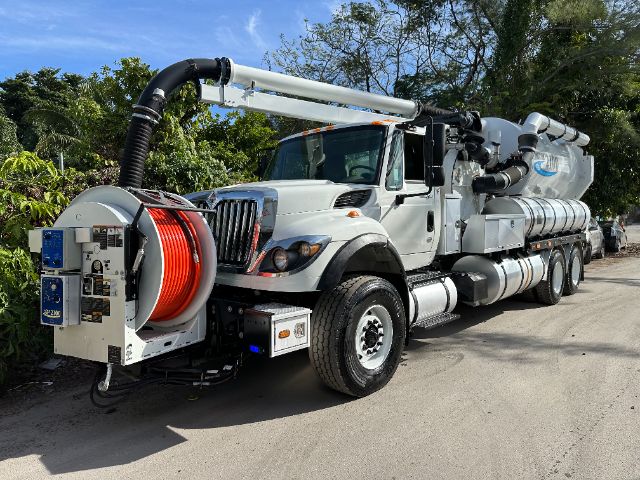
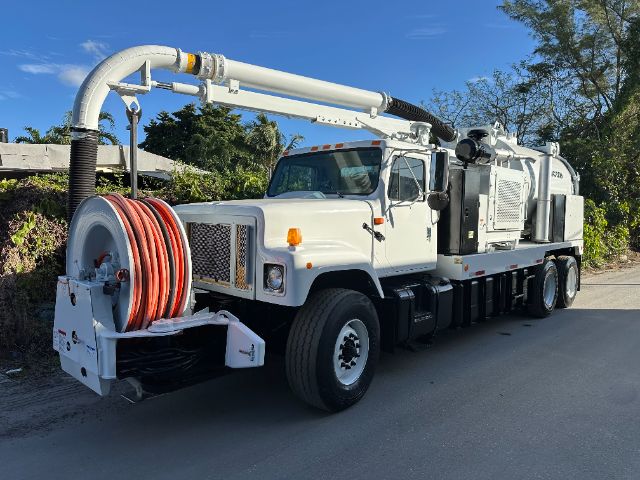
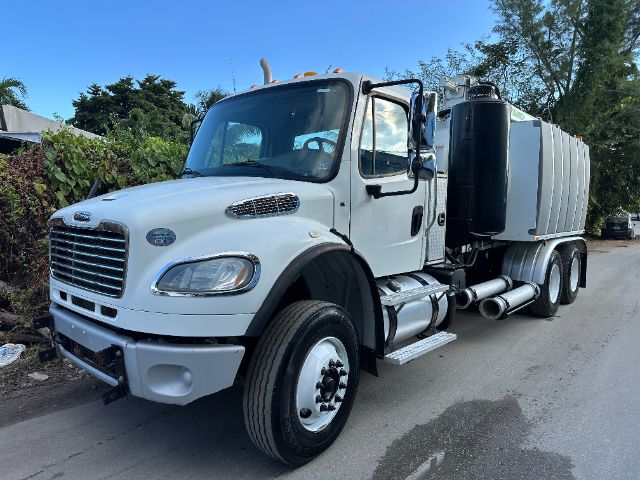
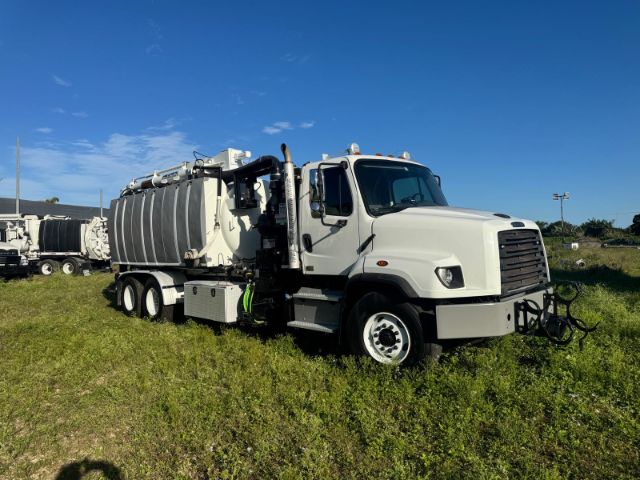
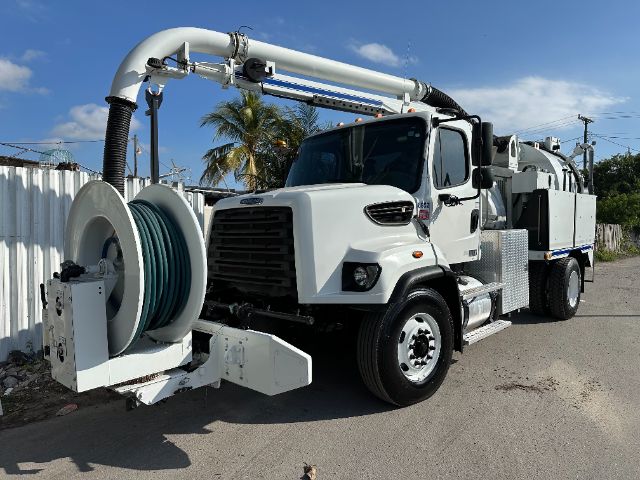
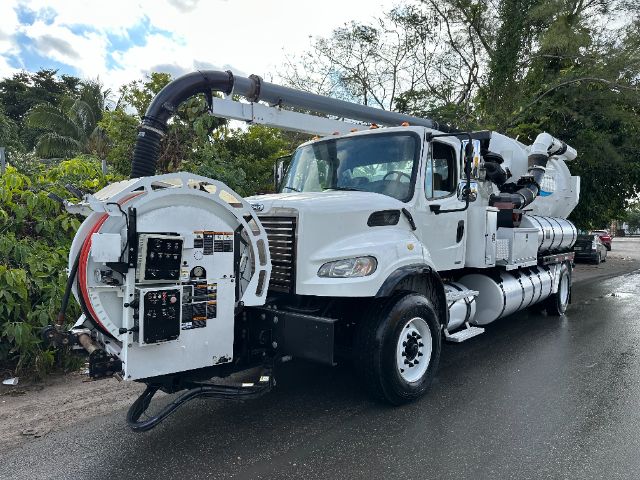
Showing 13 to 18 of 18 results
Have vacuum truck to sell? List it here to reach thousands of buyers.
About Vacuum Trucks in Florida
The most important specs are the vacuum producer, debris body size, fresh water capacity, and water pump output. Positive displacement blowers such as Roots units are common on larger sewer cleaners and are favored for long hose runs and deeper recovery work. Fan systems are also widely used, especially on lighter jetter combo trucks where fast airflow and simpler operation are priorities. Debris bodies often range from about 5 to 12 cubic yards, while fresh water tanks commonly run from 500 to 1,500 gallons. On combo units, water pumps in the 50 to 80 GPM range at roughly 2,500 to 4,000 PSI are typical, depending on whether the truck is set up for municipal sewer cleaning, culvert flushing, or more specialized line maintenance.
Chassis and operating hours matter as much as miles on a vacuum truck. Many used units are ex-municipal, which can mean consistent service records and lighter road mileage, but buyers still need to compare engine hours, PTO hours, and any separate pony motor hours. A pony motor can reduce wear on the chassis engine during stationary work, but it adds another powerplant to inspect and maintain. Look closely at blower condition, pump history, hose reels, hydraulic dump operation, tank integrity, door seals, and signs of corrosion from wet debris service. In Florida, rust is often less severe than in northern markets, but salt exposure, standing water, and high humidity can still affect tanks, plumbing, electrical systems, and frame components.
A good vacuum truck match comes down to route density and job type. Smaller units on chassis like a GMC W5500 can make sense for tighter urban access, lighter pipe cleaning, or contractor work where maneuverability matters. Larger 12-yard Vactor or Vac-Con style trucks are better suited for municipalities and contractors handling heavier sewer cleaning volume, larger basin cleanouts, and longer work cycles between dumps and refills. Buyers should also confirm GVWR, axle ratings, licensing requirements, and parts support for the vacuum body manufacturer, because body condition and serviceability often determine the long-term value of a used vacuum truck more than the truck cab itself.
Frequently Asked Questions
What is the difference between a vacuum truck and a combo vacuum jetter truck?
A vacuum truck is built to remove liquids, sludge, slurry, and debris through suction, while a combo vacuum jetter truck adds a high-pressure water system for cleaning pipe walls and breaking up blockages before recovery. For sewer maintenance, storm drain cleaning, and catch basin work, combo units are usually the more versatile choice because one truck can jet, flush, and vacuum the material in a single operation.
What vacuum truck specs matter most when buying used?
The key specs are debris body capacity, fresh water capacity, blower or fan type, water pump GPM and PSI, chassis GVWR, and actual operating hours. Buyers should also review PTO hours, pony motor hours if equipped, and the condition of the boom, hose reels, dump body, rear door seals, valves, and tank. On a used vacuum truck, the vacuum body and pumping system often tell you more about remaining service life than odometer miles alone.
Are ex-municipal vacuum trucks a good buy?
Ex-municipal vacuum trucks can be a strong value because many were maintained on scheduled service intervals and operated by trained crews. The tradeoff is that they may have substantial idle time, PTO time, or body wear from repeated sewer and basin cleaning cycles. A buyer should look beyond the municipal ownership history and verify service records, corrosion levels, blower performance, pump output, and structural condition of the debris tank and subframe.
Is a positive displacement blower better than a fan system on a vacuum truck?
A positive displacement blower is generally preferred for deeper excavation, longer hose runs, and heavier recovery work because it can maintain vacuum performance under more demanding conditions. A fan system is often lighter, simpler, and faster at moving large volumes of air, which can work well for many jetter combo and lighter cleanup applications. The better choice depends on whether the truck will spend more time on sewer line cleaning, hydro excavation, catch basin service, or general wet-dry recovery.
What should buyers in Florida check on a used vacuum truck?
Florida buyers should inspect for corrosion from humidity, standing water, and coastal salt exposure, especially around the tank, plumbing, electrical harnesses, rear door, and frame-mounted components. Air conditioning performance, cooling system condition, and hydraulic reliability also matter in hot-weather operation. If the truck will be used in municipal sewer or stormwater service, confirm that replacement parts and service support are available for the body manufacturer, blower, and water pump in the region.