
Step Van Trucks For Sale
Compare step vans and walk-in trucks by size, GVWR, gas, diesel, or electric power, body options, payload, and specs for parcel and service routes.
Learn moreBrowse Step Van Trucks by Make
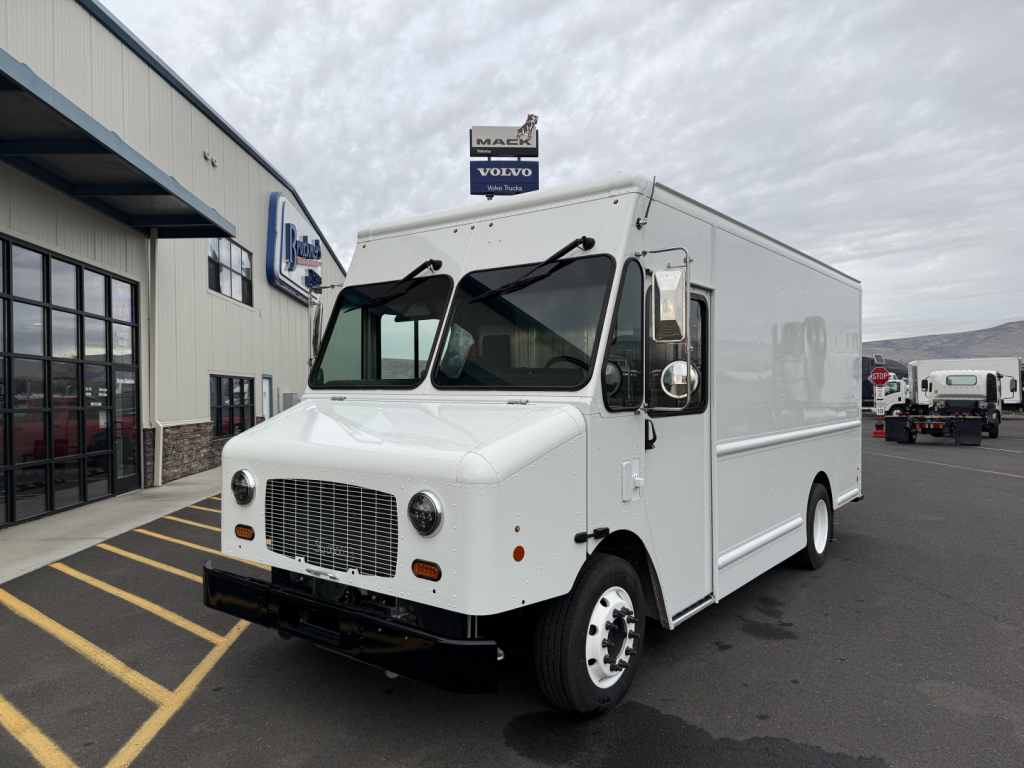
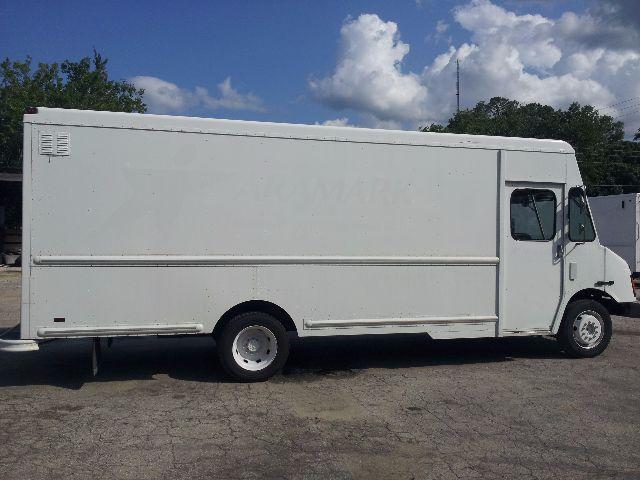
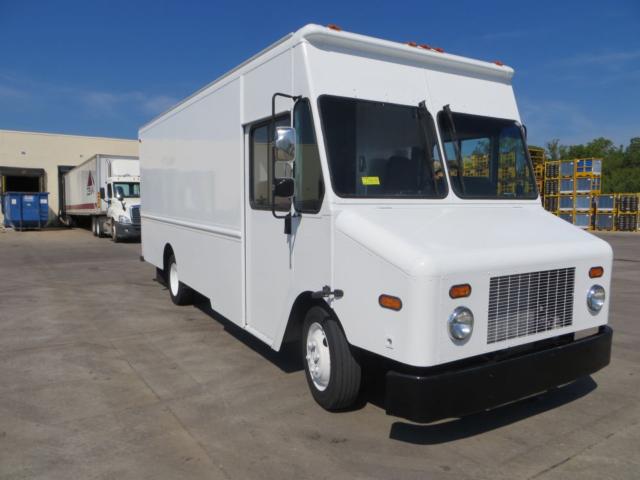
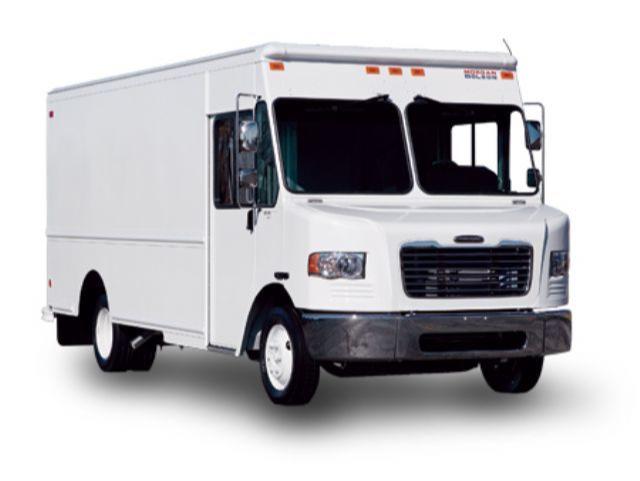
Showing 25 to 36 of 42 results
Have step van truck to sell? List it here to reach thousands of buyers.
About Step Van Trucks
Chassis choices include Freightliner MT45 and MT55, Ford F-59 and E-450, Chevrolet or Workhorse legacy platforms, and newer electric models. Gas engines minimize upfront cost and emissions complexity and handle short, cold-start duty cycles well. Diesel brings higher torque, better fuel economy on longer routes, and higher payload potential, with the trade-off of DEF and DPF service and a higher buy-in. Most pair to 5 or 6 speed automatics such as Allison. Hydraulic brakes are typical below 19,500 GVWR, while some MT55-class units run air brakes. Dual rear wheels with 19.5 inch tires dominate Class 4 and up for stability; heavier builds may use 22.5 inch tires. Shorter wheelbases improve maneuverability, longer wheelbases increase cube and ride quality.
Spec the body around the product you move. Roll-up rear doors speed frequent stops and clear dock lights; swing doors seal tighter and are simpler to service. Aluminum bodies from Morgan Olson and Utilimaster resist corrosion and keep tare weight in check. Look for LED cargo lighting, a solid bulkhead with a sliding door, E-track or logistic posts, scuff liners, and non-slip aluminum treadplate floors. Integrated walk ramps are ideal for bakery and parcel routes; tuck-under liftgates handle carts and heavier appliances. Shelving layout affects center of gravity and aisle width, so match shelf depth and adjustability to your package mix. Translucent roofs add daylight but can raise cargo temperatures; insulated panels and HVAC help with meal kits or floral loads. Backup cameras, parking sensors, and telematics reduce incidents and support route compliance.
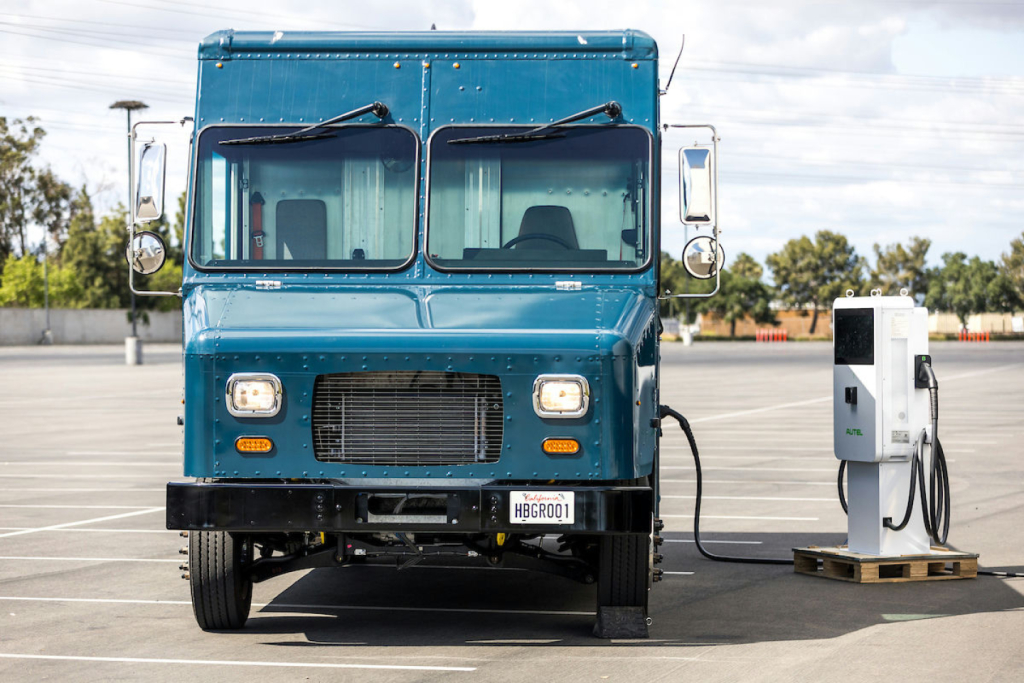
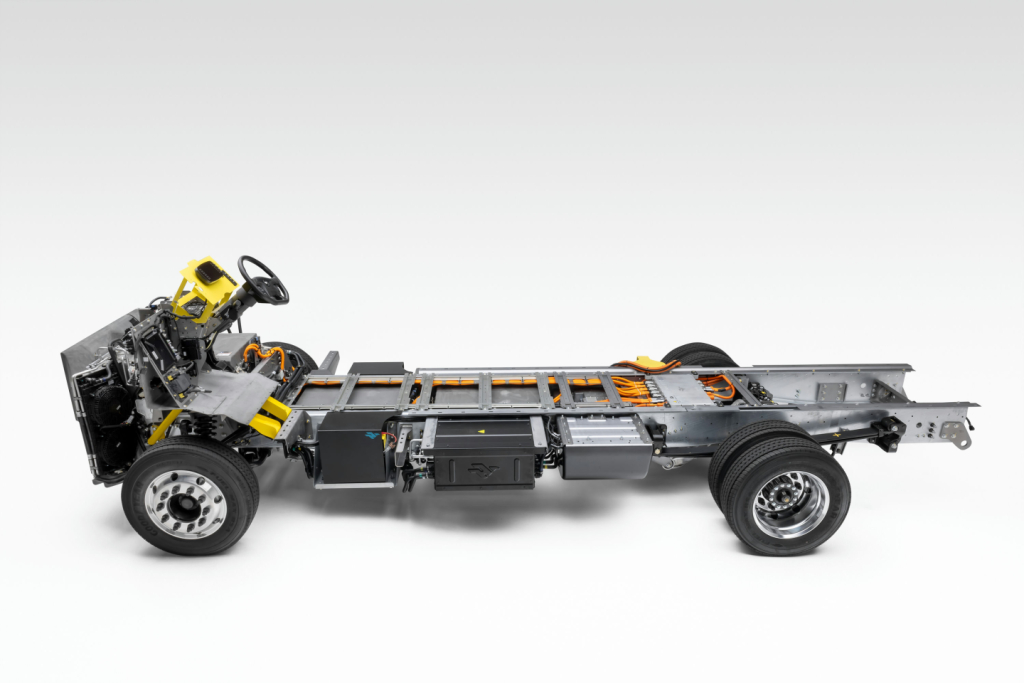
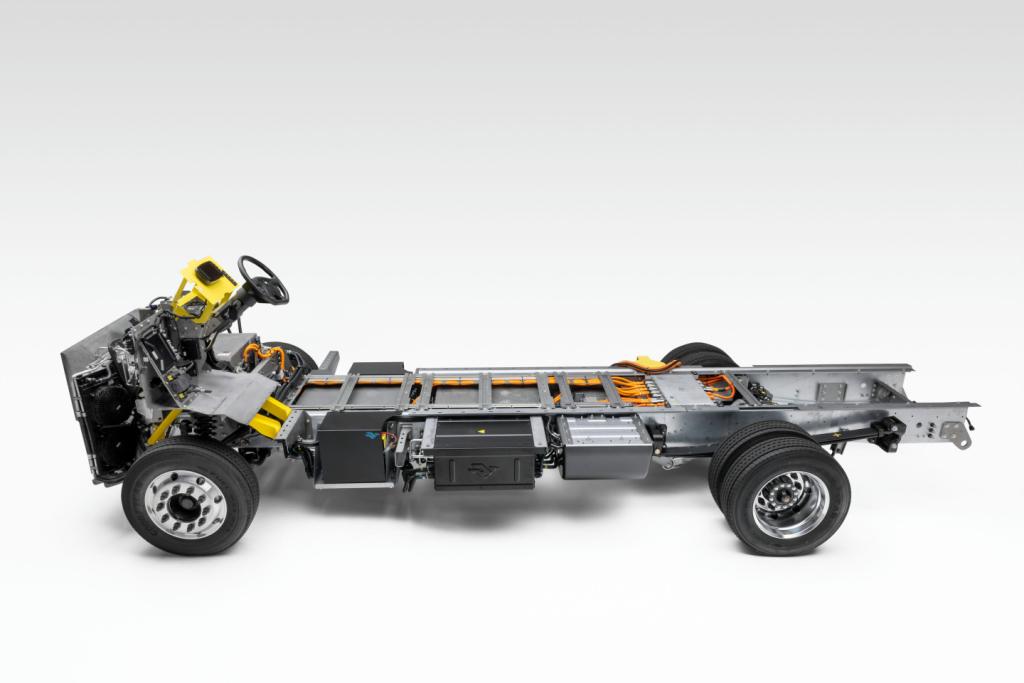
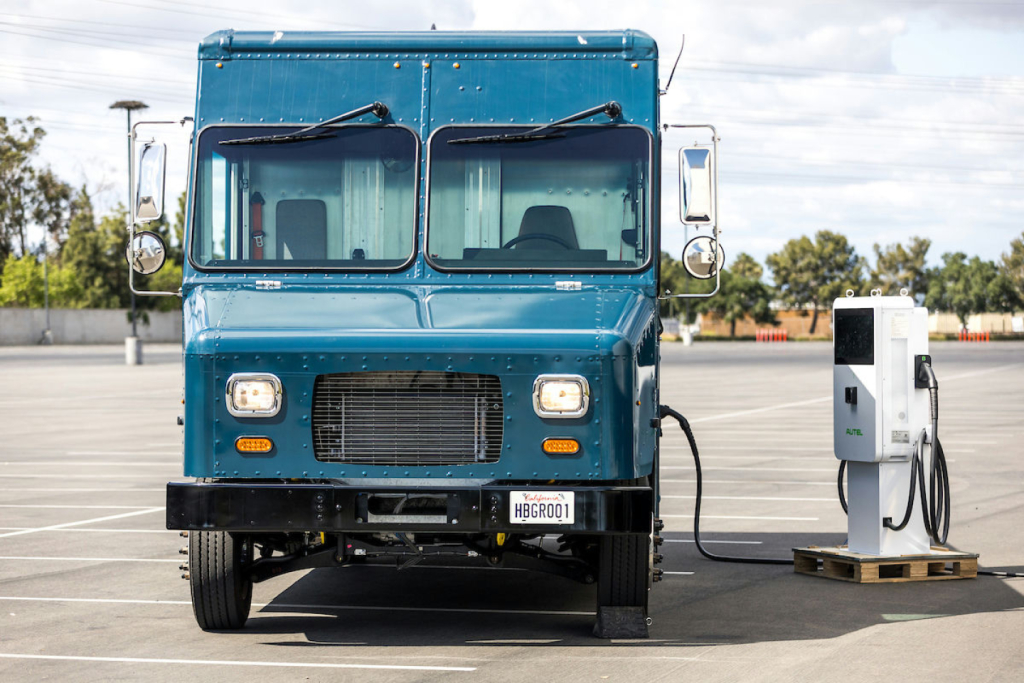
Total cost of ownership hinges on the route, fuel, and upfit. Key inspection points include roll-up door tracks and springs, roof seams for leaks, steering and suspension wear from curb strikes, brake hydraulics, and tire condition. Verify actual payload after upfits like shelves, generators, or refrigeration. Units at 26,000 GVWR and below generally avoid CDL requirements, though state rules vary and some CDL holders carry an air brake restriction. For CARB states, confirm engine year and emission label compliance. Electric step vans are gaining traction for last-mile fleets with depot charging and predictable routes. They cut noise and idling and reduce brake wear via regeneration, but plan around daily range, charger availability, and added curb weight.
Frequently Asked Questions
What size step van is best for parcel delivery routes?
For dense residential parcel routes, a 16 to 18 foot body on a 14,000 to 19,500 GVWR chassis is a common sweet spot. That configuration balances cube, payload in the 5,000 to 8,000 pound range depending on upfit, and maneuverability in cul-de-sacs and alleys. Choose a wheelbase that fits your stop density and driveway access, and match shelving depth to your package sizes to maintain a safe aisle and center of gravity.
Should I choose gas, diesel, or electric for a step van?
Gas engines typically cost less to buy and are well suited to short, stop-and-go routes with many cold starts and idle time. Diesel delivers higher torque, better fuel economy on longer routes, and higher allowable GVWR and payload, but adds DEF and DPF systems and higher maintenance cost. Electric step vans excel on predictable last-mile routes with depot charging. They reduce noise and brake wear, but require planning around daily range, charging infrastructure, and potential payload impact from battery weight.
Do I need a CDL to drive a step van?
A CDL is generally required only if the vehicle’s GVWR is 26,001 pounds or higher, or if you are hauling certain regulated materials. Many step vans are spec’d at 26,000 GVWR or below to avoid CDL requirements. Air brakes by themselves do not trigger CDL needs, though CDL holders can have an air brake restriction depending on their test. Always confirm your state’s licensing rules and any customer site access requirements.
Should I spec a roll-up door, swing doors, a ramp, or a liftgate?
Roll-up rear doors are faster for frequent stops and clear dock lights, making them popular for parcel delivery. Swing doors seal more tightly and are simpler to service, which helps with weather protection. Walk ramps are light, fast, and ideal for hand trucks under about 600 to 800 pounds. Tuck-under liftgates handle heavier appliances or bulkier freight and interface well with docks, but add weight and maintenance. Choose based on your typical stop profile and load weights.
What should I inspect when buying a used step van?
Check the roof and body seams for leaks, corrosion on the frame and body mounts, smooth operation and condition of roll-up or swing doors, and the integrity of the bulkhead. Inspect steering and suspension for play, brake system condition, and uneven tire wear from curb impacts. Verify all electricals including LED cargo lights, backup camera, and liftgate or ramp. Confirm payload capacity after accounting for shelving, generators, or refrigeration, and review service records for emissions components on diesel models.