
New Harbinger Step Van Trucks For Sale in Colorado
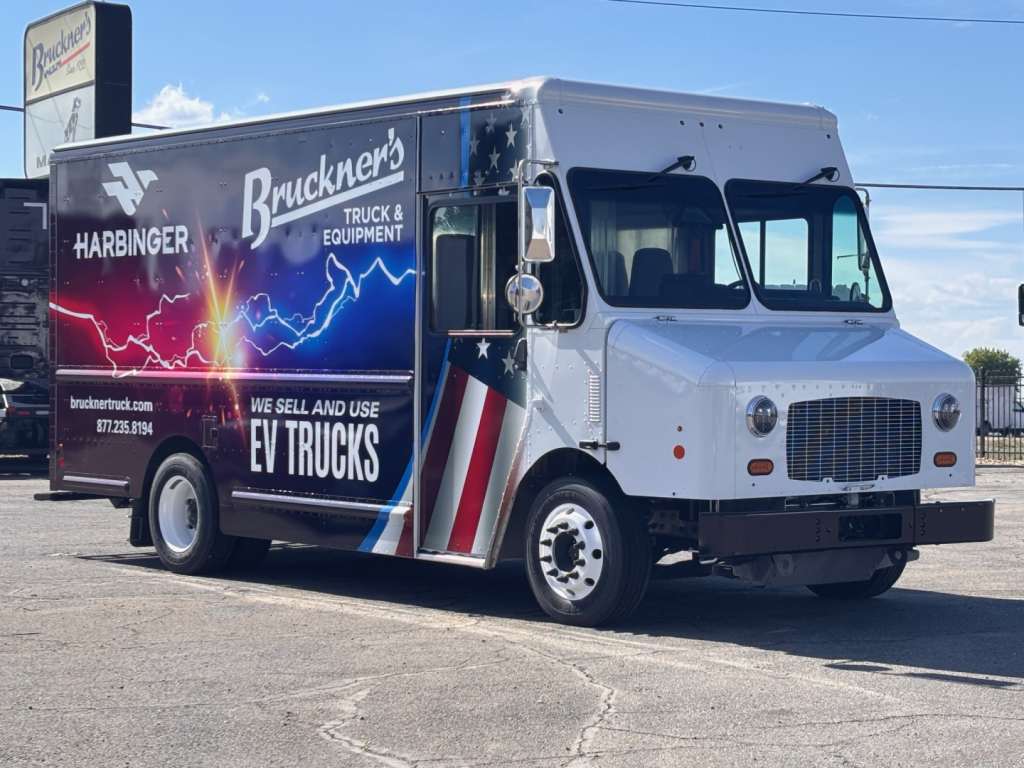
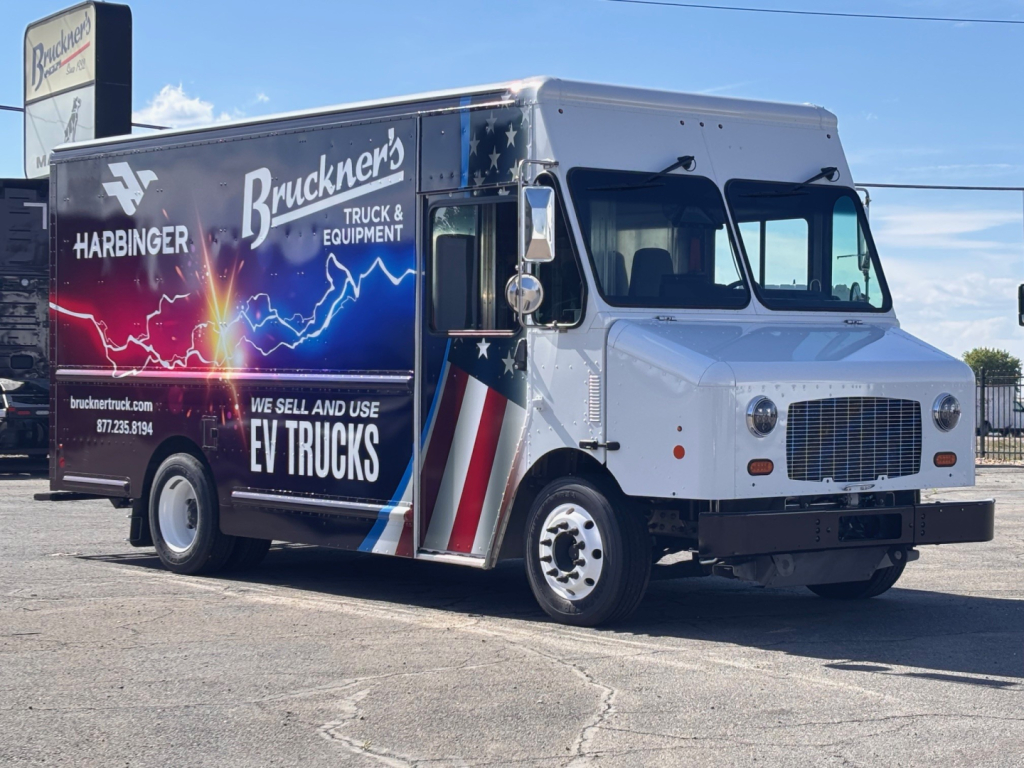
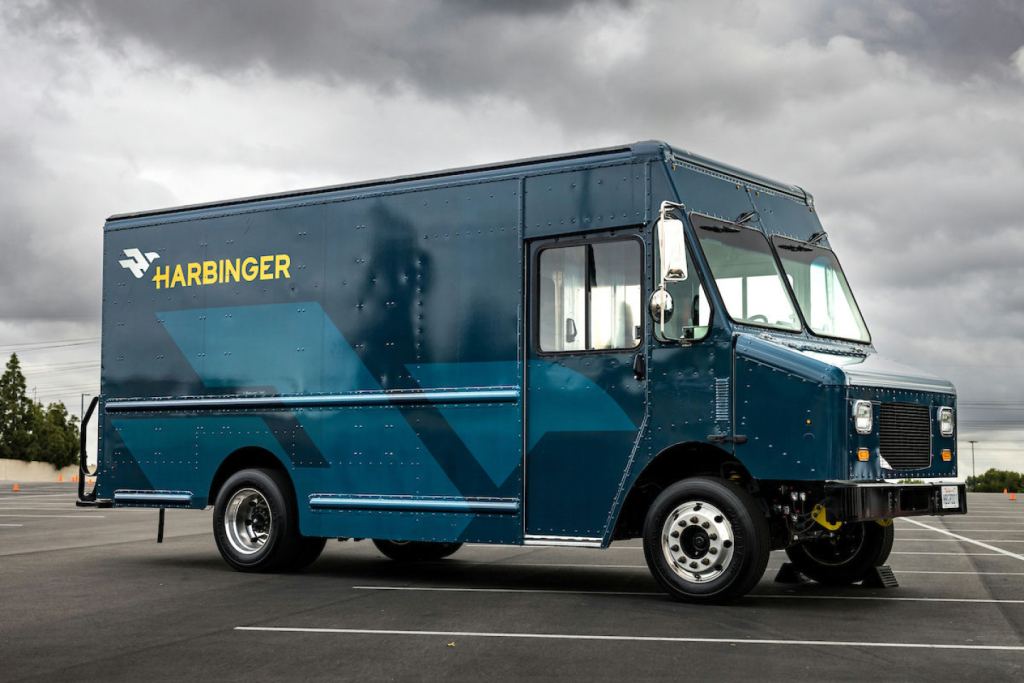
New Harbinger step van trucks for sale in Colorado. All-electric walk-in delivery trucks built for parcel, route service, and urban fleets.
Learn more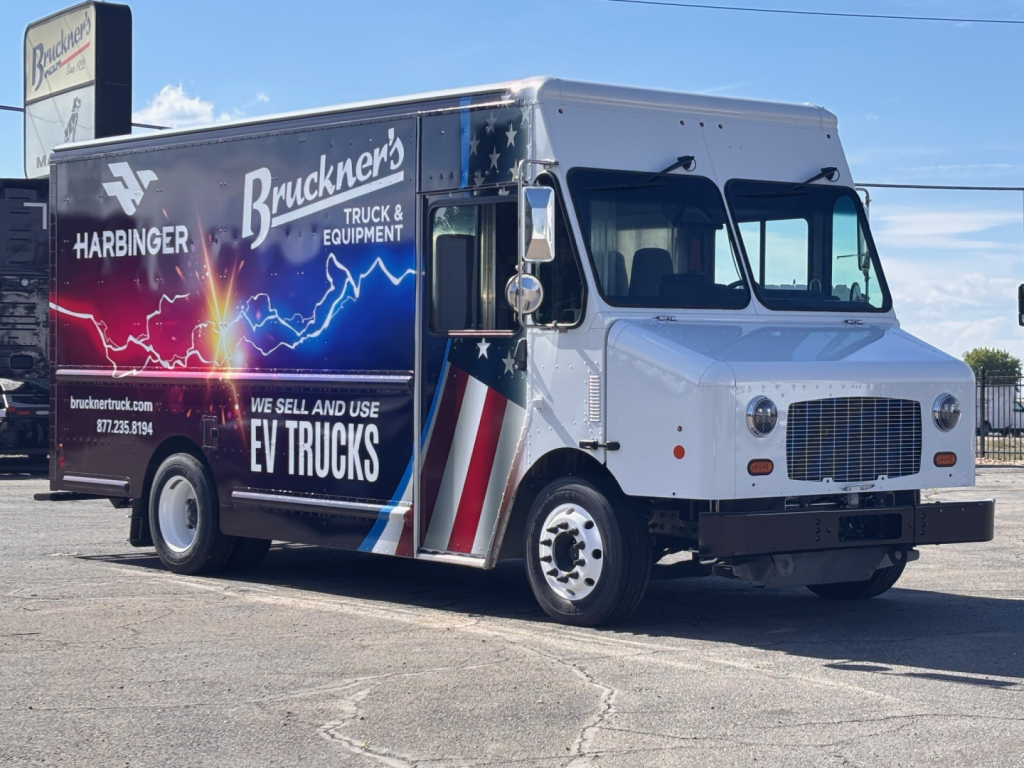
Showing 13 to 16 of 16 results
Have new harbinger step van truck to sell? List it here to reach thousands of buyers.
About New Harbinger Step Van Trucks in Colorado
The first buying decision is usually body size and payload match. Models in this class may be paired with bodies such as a 20-foot Morgan Olson step van body, which is a common fit for dense route work that needs cubic capacity more than trailer-style freight volume. Buyers should compare wheelbase, interior cargo dimensions, door configuration, shelving layout, and gross vehicle weight rating against the route profile. A step van that spends all day making frequent stops needs easy ingress and egress, clear cab-to-cargo pass-through space, and practical upfit compatibility for bins, racks, refrigeration, or service tools.
Because Harbinger is focused on electric commercial chassis, battery range, charging strategy, and duty cycle are central to the purchase. A new electric step van should be evaluated by actual route miles, elevation change, stop frequency, accessory loads, and seasonal HVAC demand, not just published range figures. In Colorado, terrain and winter temperatures can materially affect usable range, so fleets should account for regenerative braking on downhill sections, charger access at the home base, and the time window available for overnight charging. Buyers should also look at service access, telematics capability, brake and tire wear expectations in stop-and-go use, and how the chassis integrates with common walk-in van bodies and fleet upfits.
Compared with a conventional gas or diesel walk-in van, a new Harbinger step van can make the most sense for predictable return-to-base routes with repeatable mileage and high stop counts. The layout is familiar to drivers coming from traditional step vans, but the operating profile is different enough that route planning and infrastructure matter. For buyers comparing listings, the key specs are body length, GVWR, cargo access, charging compatibility, expected daily range, and the quality of the body build. A well-matched electric step van can lower routine operating costs while improving driver efficiency on dense delivery work.
Frequently Asked Questions
What is a Harbinger step van best suited for?
A Harbinger step van is best suited for high-frequency stop-and-go routes where easy walk-in cargo access matters. Typical applications include parcel delivery, final-mile distribution, bakery and snack routes, uniform and linen service, mobile repair fleets, and municipal support work. The step van layout improves driver efficiency because the operator can move quickly between the cab and cargo area without climbing in and out of a conventional box truck cab at every stop.
How should buyers evaluate range on an electric step van in Colorado?
Range should be evaluated using the real duty cycle, not a best-case published number. In Colorado, elevation changes, cold weather, cabin heat, battery temperature management, and accessory loads can all reduce usable range. Buyers should measure average daily miles, number of stops, idle time, payload, and return-to-base charging availability. A route with predictable mileage and overnight charging is usually the strongest fit for an electric step van.
What body and chassis specs matter most on a new step van?
The most important specs are GVWR, wheelbase, body length, interior cargo volume, payload capacity, door configuration, and upfit readiness. On a walk-in van, low step height, interior stand-up room, pass-through design, and shelving or rack compatibility directly affect route productivity. If the truck is fitted with a body such as a 20-foot Morgan Olson, buyers should also confirm how the body dimensions and curb weight align with the intended freight and daily stop count.
Is an electric step van a better choice than a gas or diesel walk-in van?
It depends on the route. An electric step van is often a strong choice for fixed daily routes with high stop density, lower average speeds, and dependable depot charging. Gas or diesel may still be more practical for irregular mileage, remote service areas, or operations without charging infrastructure. The comparison should focus on total cost of operation, route predictability, maintenance planning, and how often the truck returns to the same location for charging.
Are step vans the same as walk-in vans?
In most fleet and body-builder usage, step van and walk-in van are closely related terms and are often used interchangeably. Both describe a delivery-style truck with a low floor, easy entry, and interior access to the cargo area from the cab. Buyers should still read the listing details carefully because body length, roof height, door style, and chassis configuration can vary significantly from one unit to another.