
Trucks For Sale Near South Sioux City, Nebraska
Browse trucks for sale including sleeper cabs, day cabs, and straight trucks with specs for long-haul, regional, vocational, and fleet use.
Learn more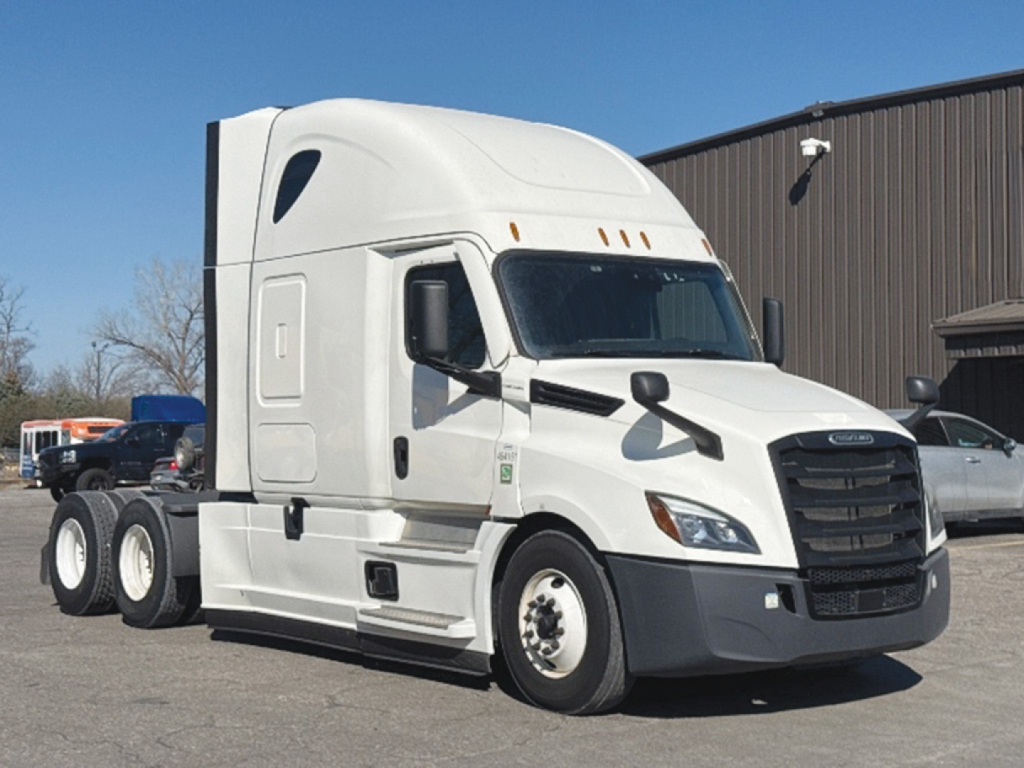
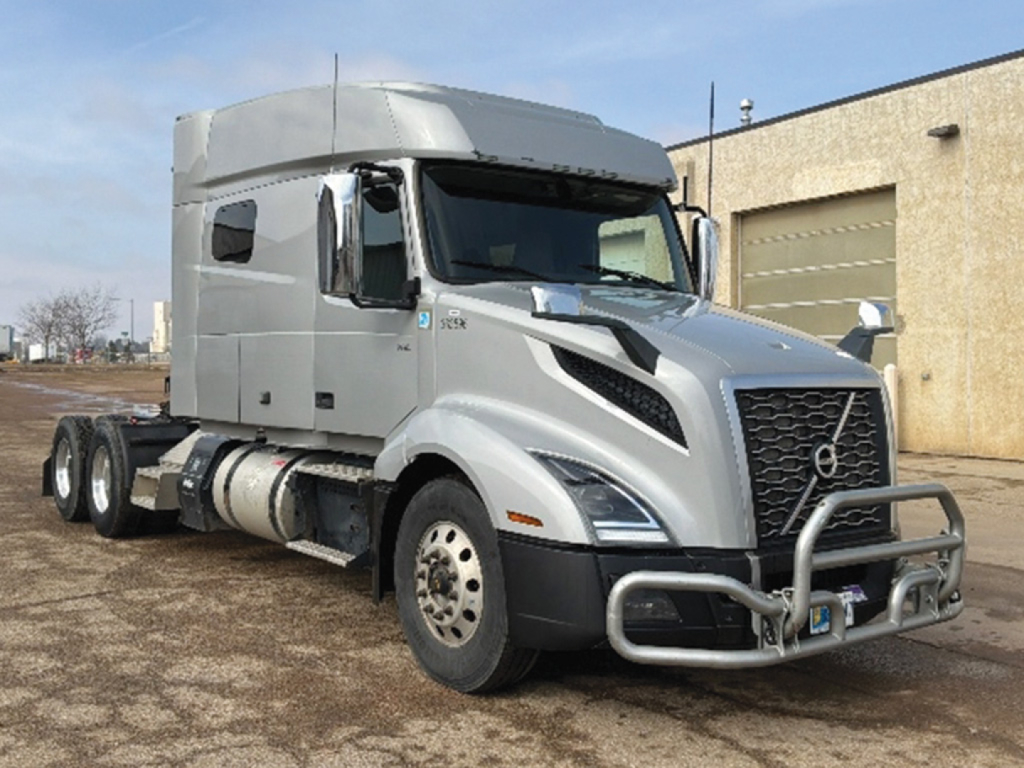
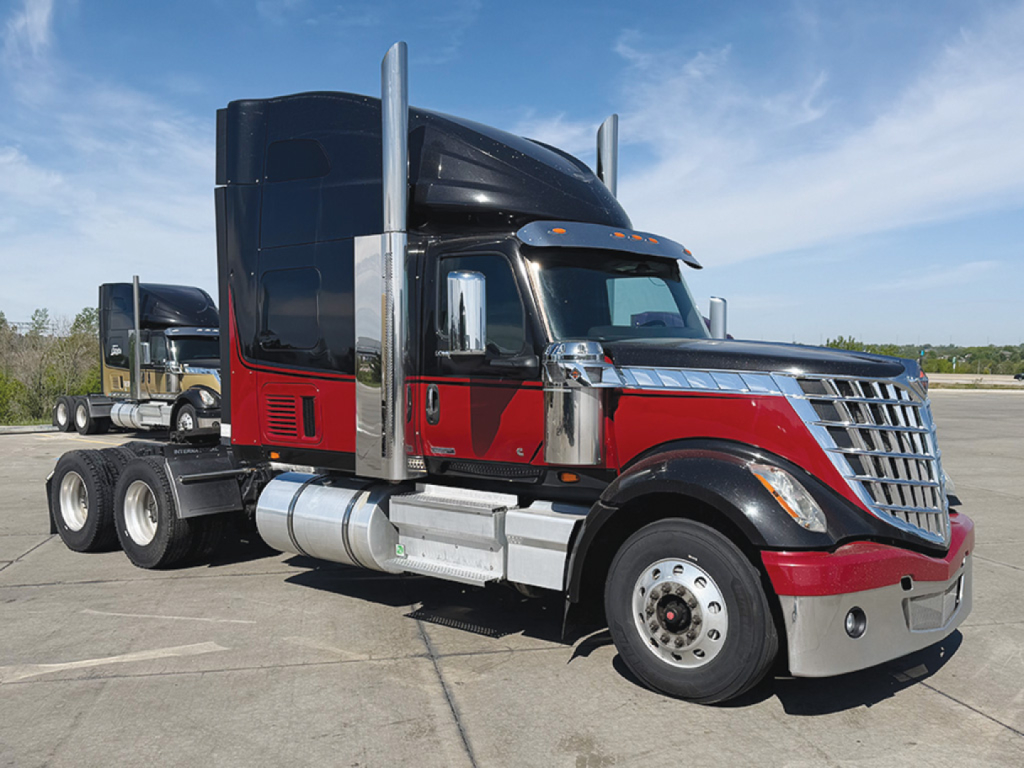
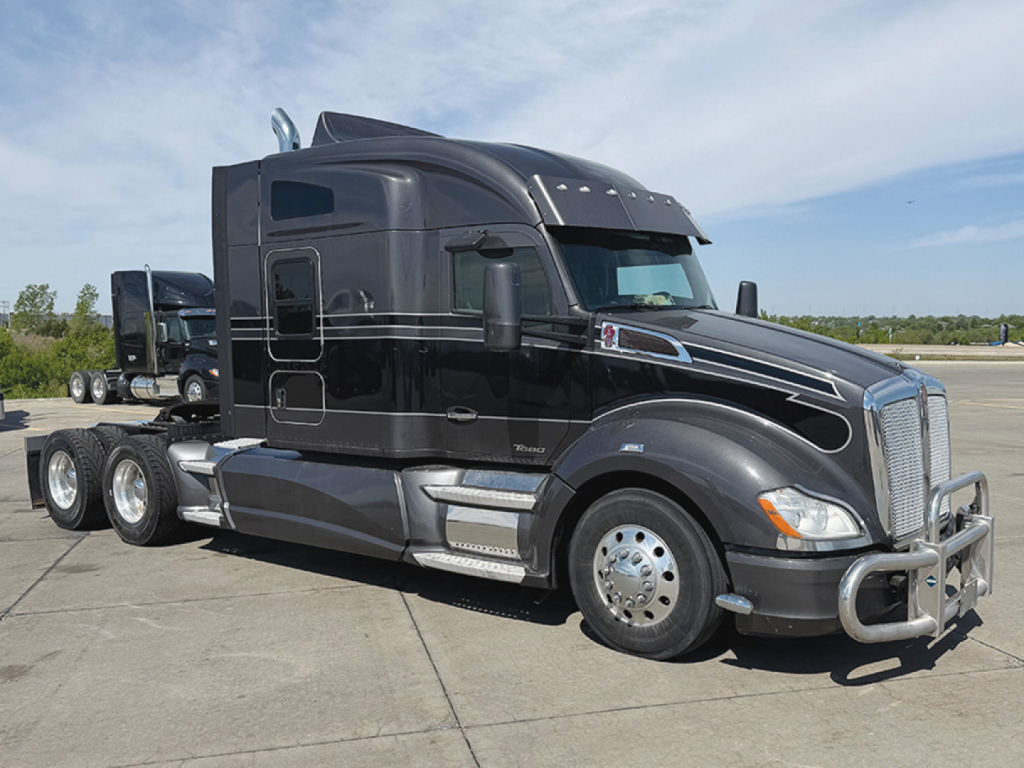
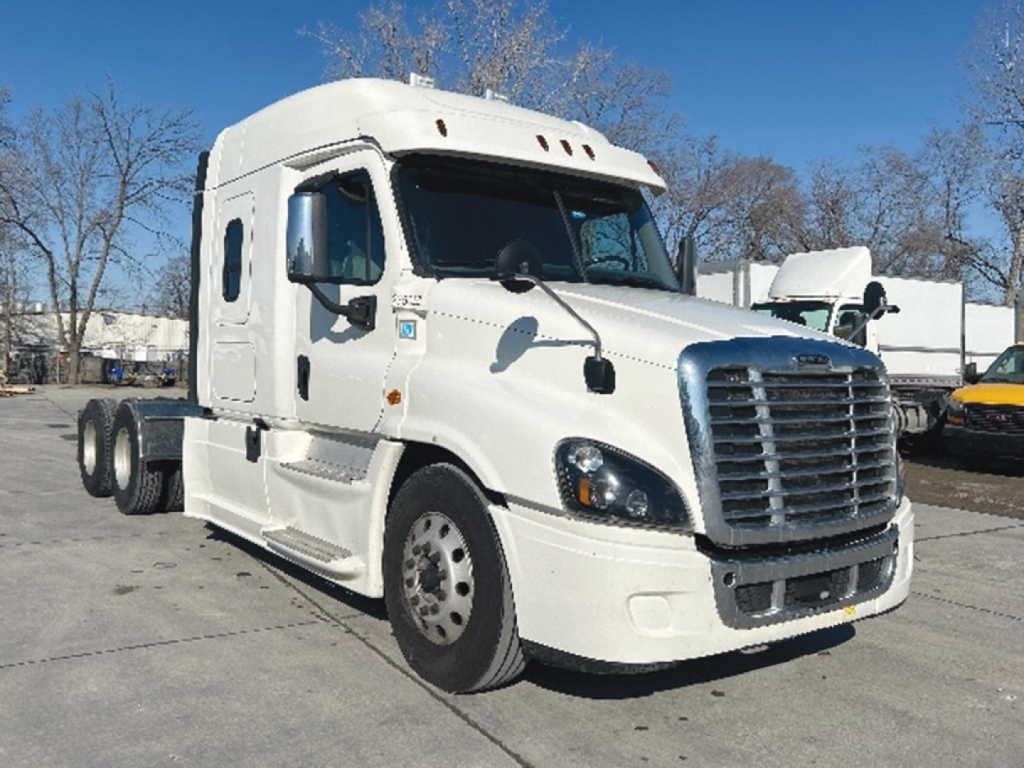
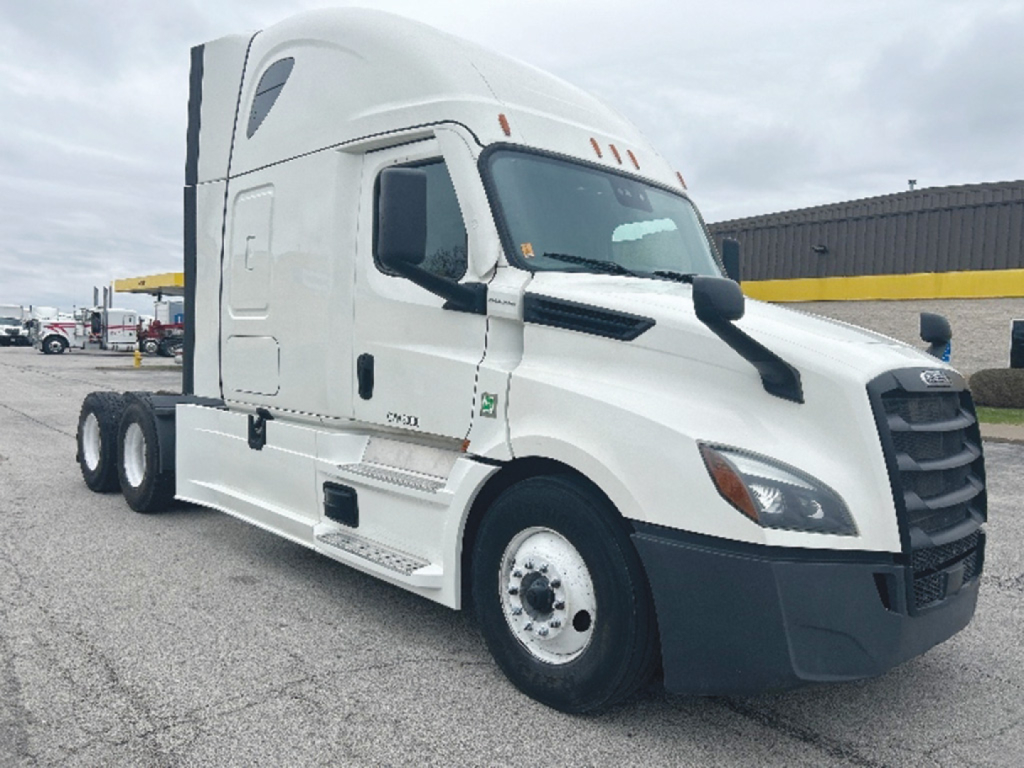
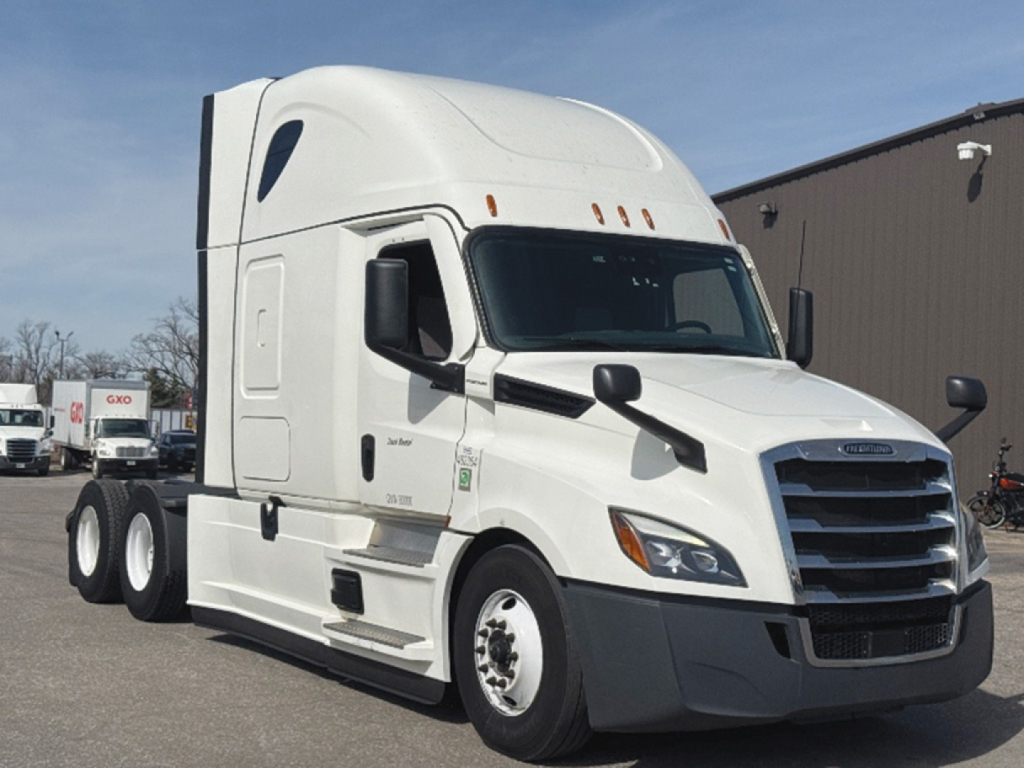
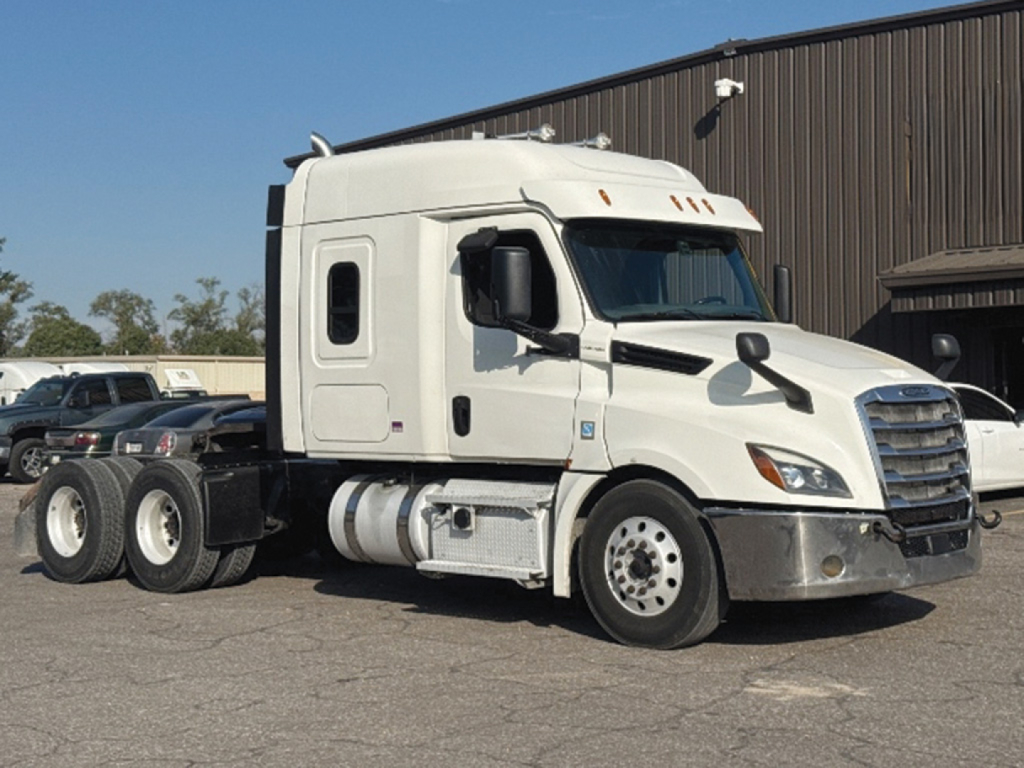
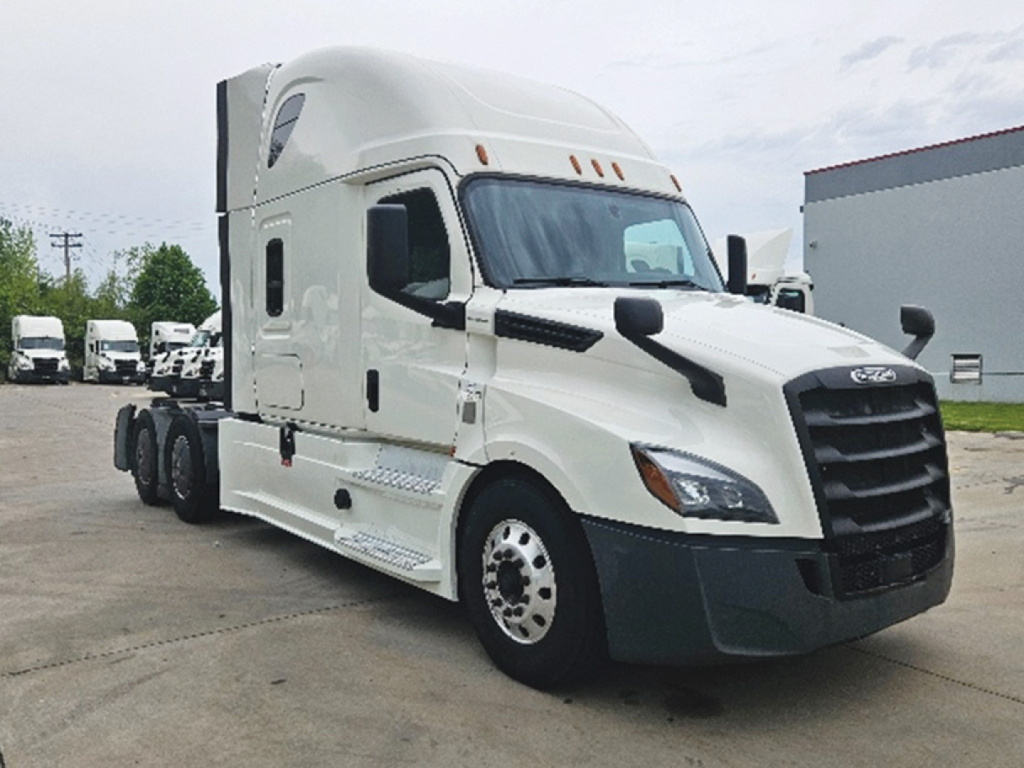
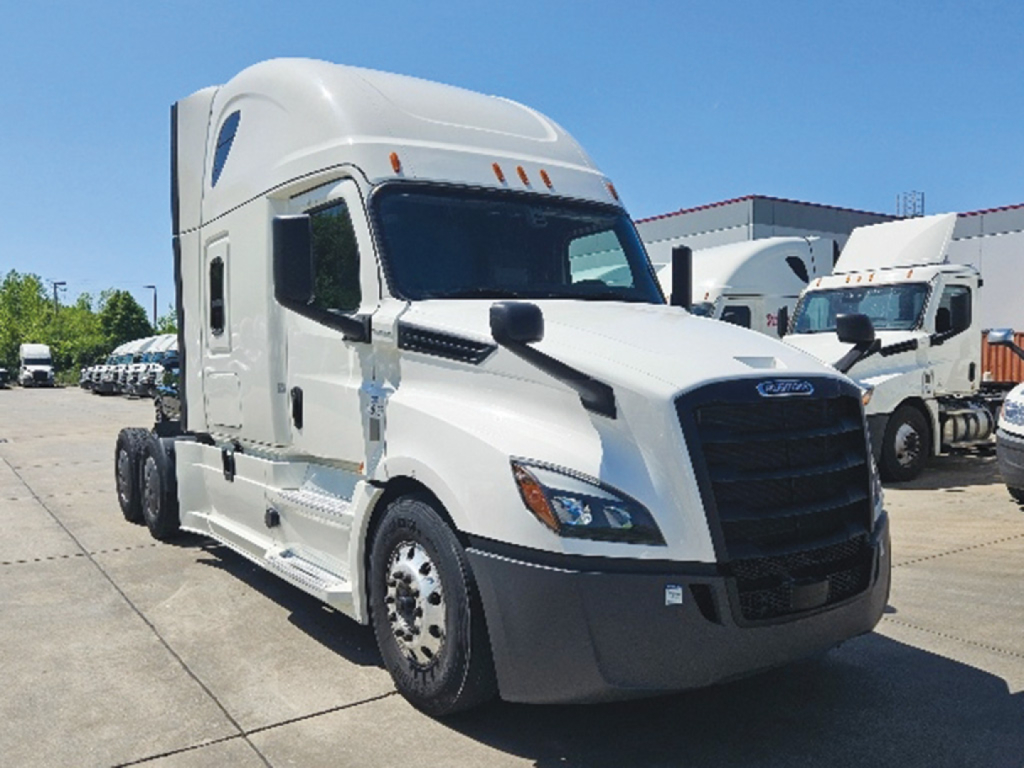
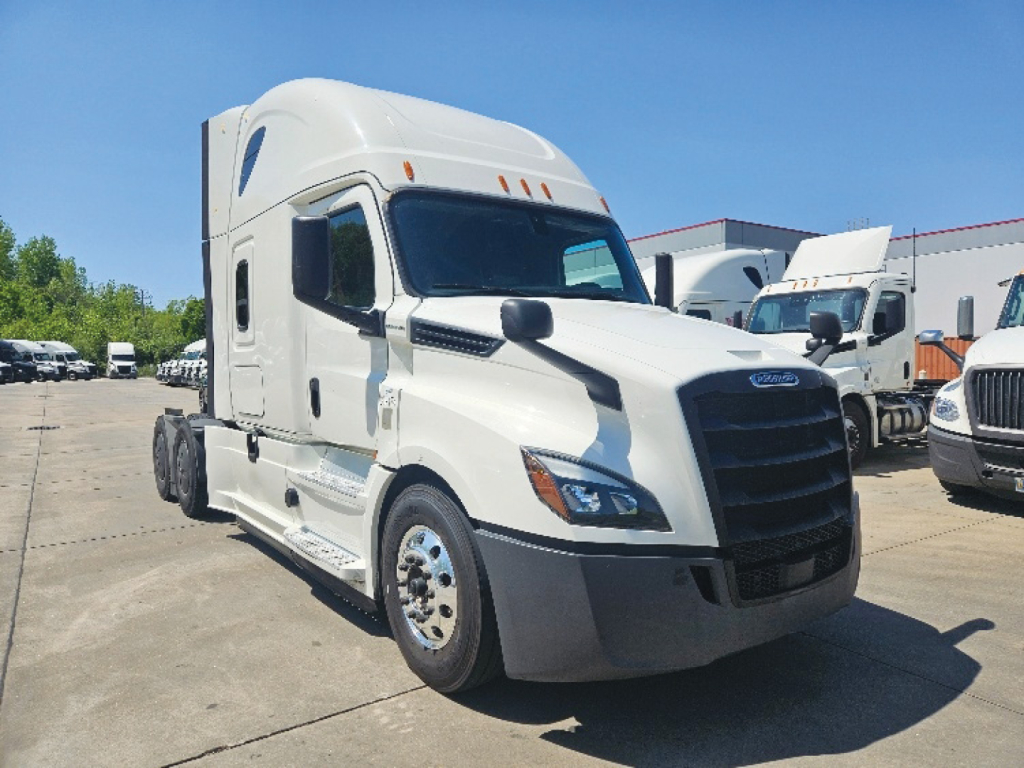

Showing 133 to 144 of 153 results
Have truck to sell? List it here to reach thousands of buyers.
About Trucks Near South Sioux City, Nebraska
Powertrain selection is where most truck buyers either gain efficiency or create long-term cost problems. Common engines in this class include Detroit DD13, Volvo D13, PACCAR PX-6, and legacy heavy-haul favorites like the Caterpillar 3406E. Horsepower typically lands anywhere from the high-200 range on medium-duty straight trucks up into the 425 to 550 HP range on highway tractors. Automated manual transmissions such as Volvo I-Shift and Detroit DT12 have become the default for many fleets because they improve shift consistency, reduce driver fatigue, and can help fuel economy, while 13-speed manuals still hold value in specialized hauling and for buyers who want direct control. Rear axle ratings around 40,000 pounds are common on tandem highway tractors, and axle ratios such as 2.64, 2.79, or 3.55 should be matched to cruise speed, terrain, and startability. A tall rear ratio may save fuel on flat interstate lanes, while a deeper ratio can be the better fit for heavy loads, hills, or lower-speed vocational use.
Chassis and cab details matter just as much as the engine badge on the hood. Wheelbase affects bridge law flexibility, trailer swing clearance, and ride quality. Suspension type, especially air ride versus mechanical, influences driver comfort and freight protection. Buyers should also pay attention to brake configuration, with air disc brakes becoming more common on newer highway trucks for stronger stopping performance and easier service access. Fifth wheel type and travel are important if the truck will see different trailer lengths or kingpin settings. Aerodynamic equipment such as roof fairings, side fairings, cab extenders, and horizontal exhaust can make a meaningful fuel difference in linehaul service, while deer guards, headache racks, quarter fenders, and heavy bumpers speak more to regional, livestock, or mixed-duty applications often seen across Nebraska and the broader Midwest.
Inside the cab, the real question is how the truck will be worked every day. Long-haul buyers often prioritize bunk heater systems, refrigerator space, upper bunk configuration, stand-up sleeper height, and storage layout. Regional fleets may focus more on visibility, seat condition, steering wheel adjustability, power accessories, collision mitigation compatibility, and driver-friendly controls. On straight trucks, body condition, door style, and cargo access can be more important than peak horsepower. Across all truck types, the best purchase usually comes from matching the spec to the lane: sleeper tractors for extended runs, day cabs for short-turn freight, and straight trucks for dedicated delivery work. A truck with the right wheelbase, axle ratio, transmission, and cab configuration will generally outperform a mismatched unit with a bigger engine or a newer model year.
Frequently Asked Questions
What is the difference between a sleeper truck and a day cab?
A sleeper truck has an integrated bunk area behind the seats for overnight or multi-day runs, while a day cab has no sleeper compartment and is built for local or regional operation. Sleeper tractors usually have longer wheelbases, more fuel capacity, and added driver amenities. Day cabs are typically lighter, easier to maneuver, and better suited to short hauls, dedicated lanes, drayage, and terminal-based work.
How do I choose the right axle ratio for a truck?
Axle ratio should match your average load, terrain, road speed, and transmission setup. Lower numerical ratios such as 2.64 are common in fuel-efficient highway specs running lighter or standard freight at interstate speeds. Ratios like 2.79 offer a balanced setup for mixed regional use. Deeper ratios such as 3.55 improve startability and pulling power for heavy loads, slower routes, or hilly terrain, but they can raise engine rpm and fuel consumption at cruise.
Are automatic and automated manual transmissions a good choice in used trucks?
Yes. Automated manual transmissions such as Volvo I-Shift and Detroit DT12 are widely accepted in fleet and owner-operator use because they reduce driver fatigue, help protect the driveline, and can improve fuel economy through optimized shift logic. Traditional manuals still make sense for certain heavy-haul, vocational, or driver-preference applications, but for most highway and regional operations an automated transmission is now a practical and proven choice.
What should I look for in a used straight truck?
Start with the body and chassis as a complete package. Confirm the van body length, door style, floor condition, and any liftgate or route-delivery equipment that affects productivity. Then review GVWR, axle configuration, engine horsepower, transmission type, and suspension to make sure the truck matches your payload and route profile. A straight truck that is oversized for the work will cost more to run, while one that is underspec'd will struggle with service life and daily efficiency.
Which truck specs matter most for long-haul freight?
For long-haul work, focus on sleeper size, fuel capacity, wheelbase, axle ratio, aerodynamic package, transmission, and driver comfort features. The right long-haul tractor typically combines a fuel-efficient engine rating, a highway-friendly rear ratio, air ride suspension, and a sleeper layout that supports rest and storage. Features like disc brakes, bunk heaters, refrigerators, adjustable fifth wheels, and integrated fairings can also improve uptime, comfort, and operating cost over a full year of over-the-road service.