
New Trucks For Sale in Colorado
Shop new trucks in Colorado with specs for altitude, grades, payload, tare weight, floor strength, thermal integrity, and corrosion protection.
Learn morePopular Trucks Categories
111 Listings
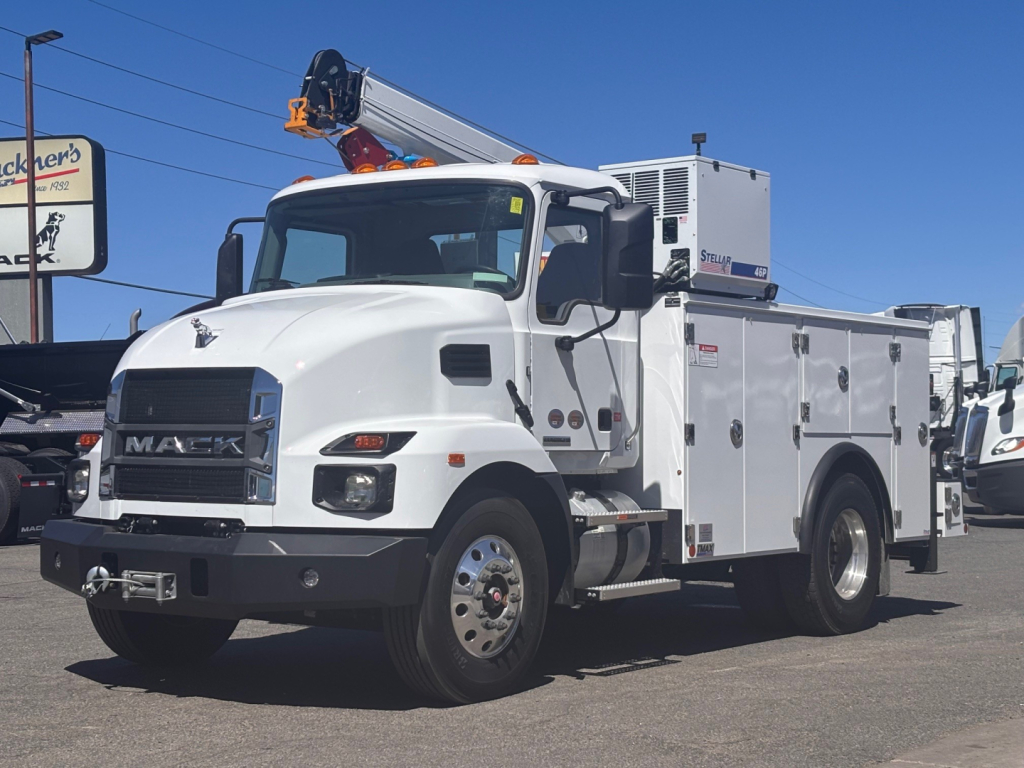
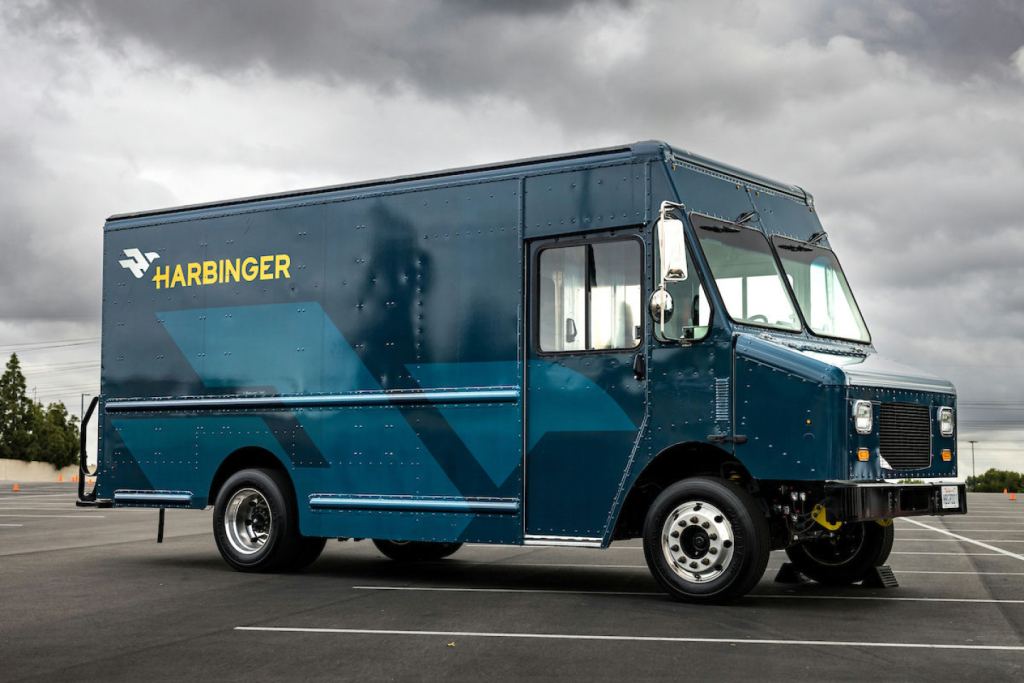

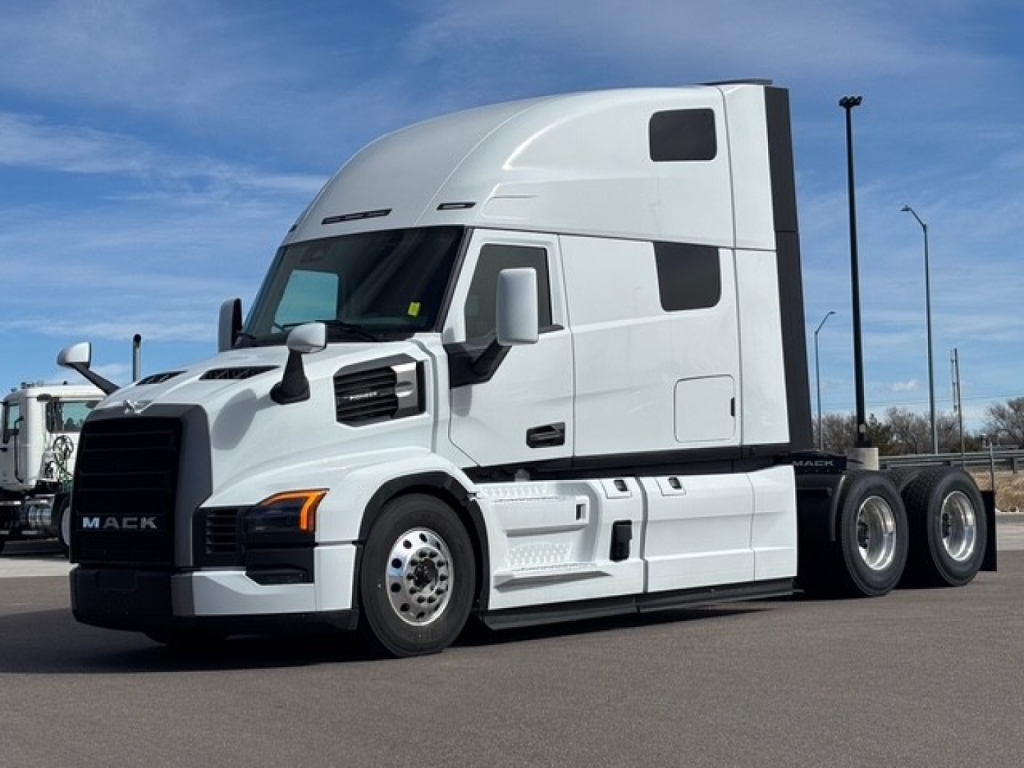
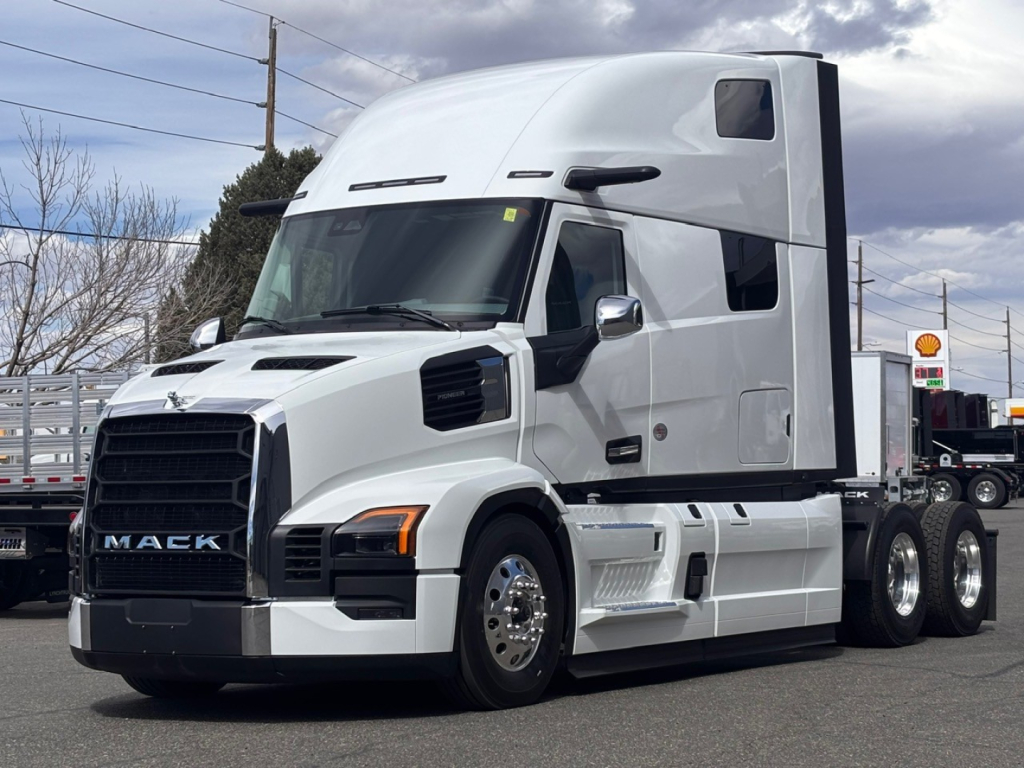
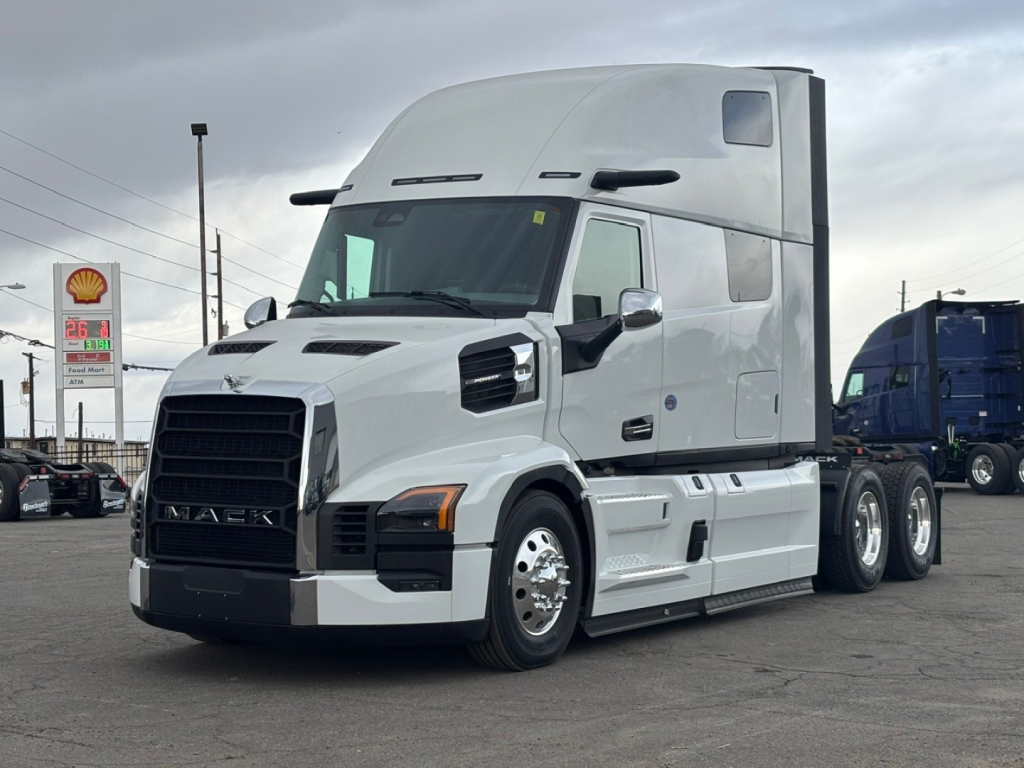
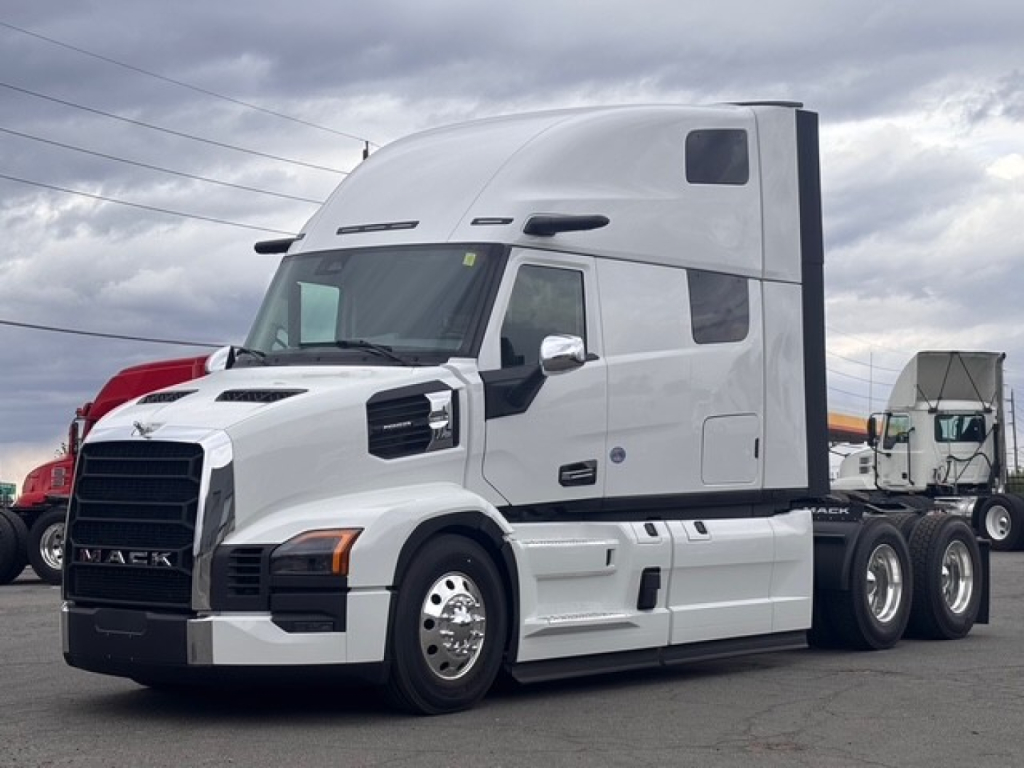
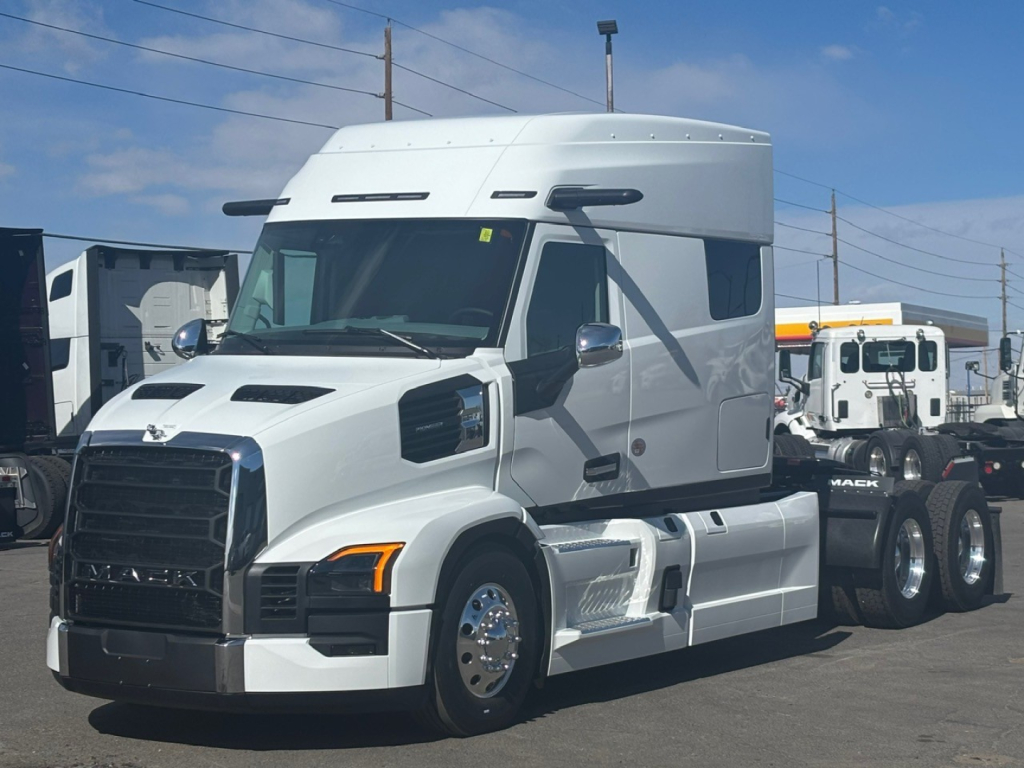
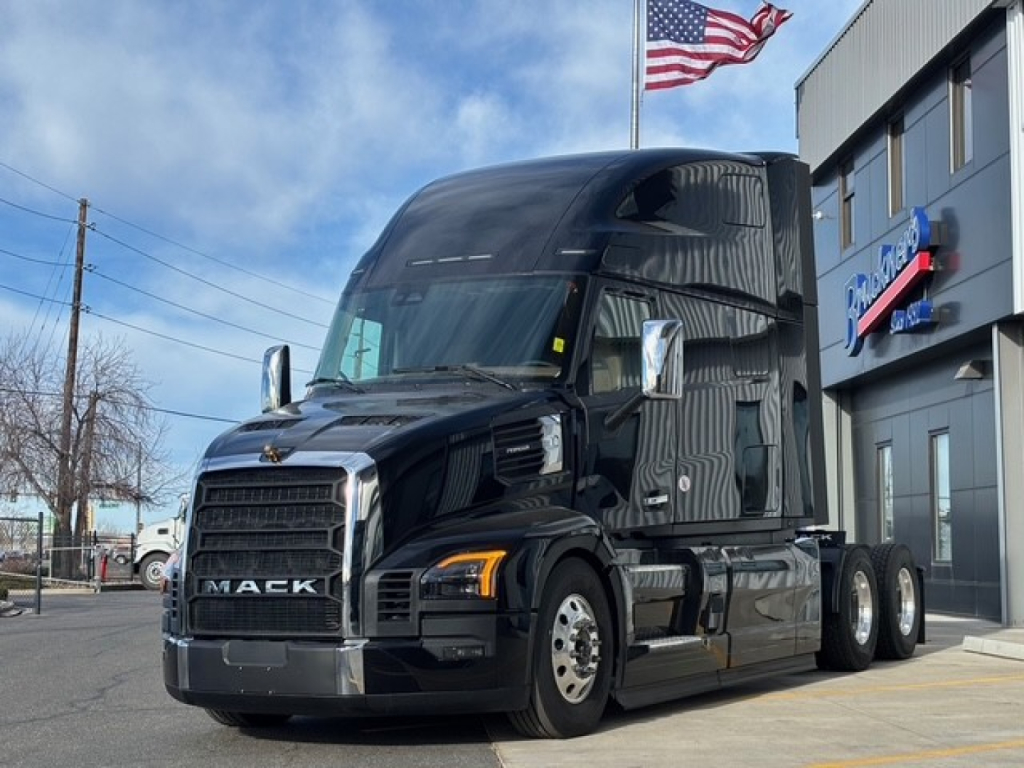
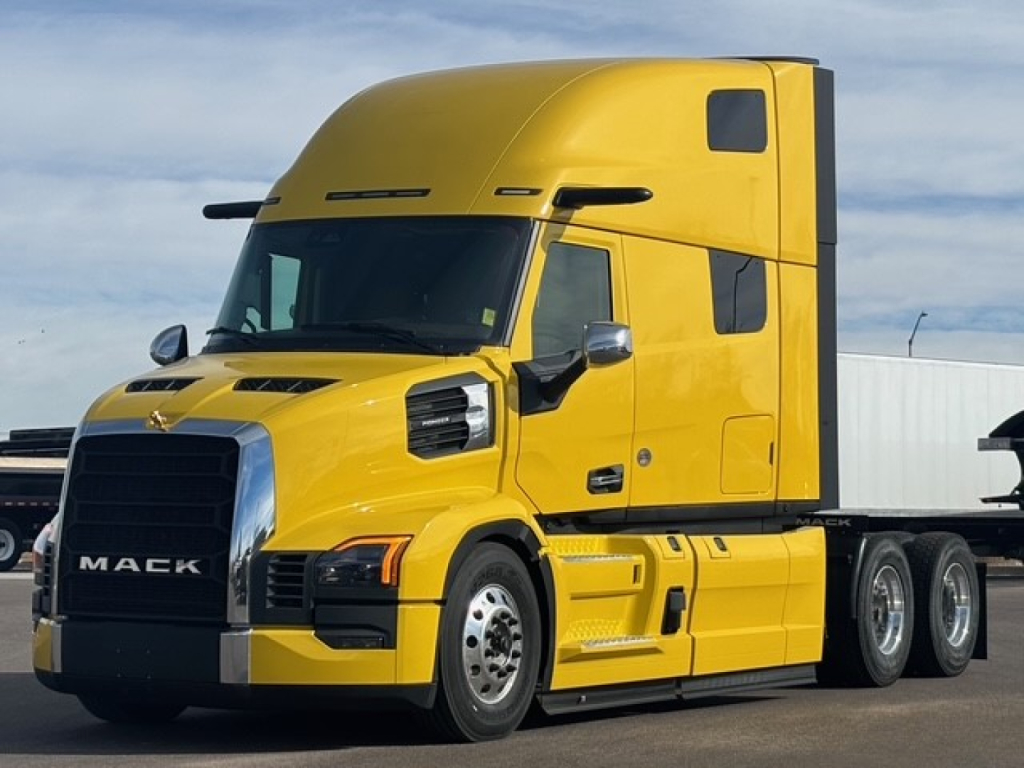
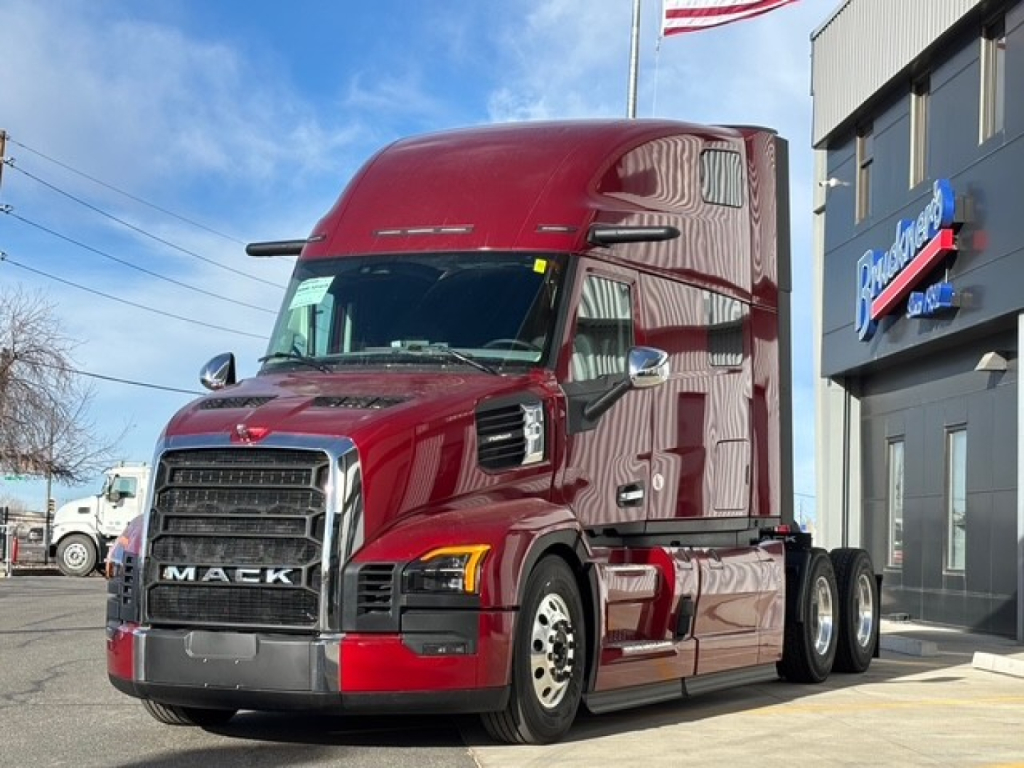
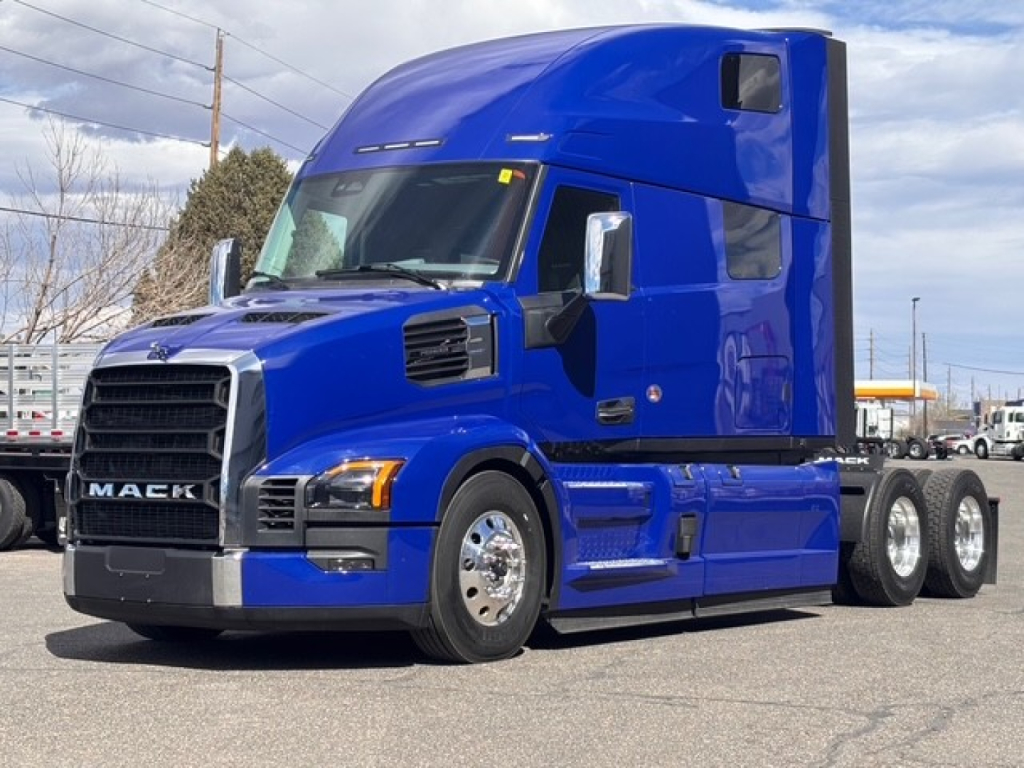
Showing 85 to 96 of 111 results
Have new truck to sell? List it here to reach thousands of buyers.
About New Trucks in Colorado
Specifying new trucks for sale in Colorado starts with powertrain and cooling capacity. Altitude reduces air density, so look for high torque engines with efficient turbo mapping, robust charge air cooling, and transmission ratios that keep the engine in its sweet spot on long grades. Automated manuals with downhill speed control and multi stage engine brakes manage heat on descents, and larger radiators, viscous fan drives, and transmission oil coolers protect components when pulling hard at elevation. For sleeper and regional tractors, aerodynamic packages, direct drive or overdrive strategies, and adaptive cruise with hill hold can trim fuel burn while preserving downhill control.
Tare weight drives payload and profitability. Aluminum wheels, hubs, and crossmembers, composite fairings, and optimized 6x2 or tag configurations reduce curb weight, but evaluate traction requirements for snow and jobsite access. Wide base singles save weight, duals offer redundancy and grip; spec to route and season. Frame rail material and RBM matter, single rails save weight, liners add durability for severe service or bodies with concentrated loads. Wheelbase affects bridge compliance and turning in mountain towns, and fuel tank size is a balance between range on remote corridors and weight. TPMS helps keep rolling resistance low, and auto lube systems cut maintenance downtime.
For straight trucks, floor strength and body hardware determine real world utility. Forklift rated floors with dense laminated hardwood or interlocked aluminum plank resist point loads; verify rating at 24 inch on center and at the rear door threshold where impacts are highest. Aluminum duct floors in reefers improve airflow under pallets, and stainless or galvanized thresholds, dock plates, and wear bands prevent edge crush. Scuff liners at 12 or 16 inches, logistic posts or flush e track, and reinforced rear frames keep walls and floors intact under daily pallet jack abuse. Liftgate selection ties back to floor design, choose platforms and mounts that spread load without creating stress risers.
Thermal integrity and corrosion resistance are critical in Colorado winters. For refrigerated trucks, look for high density foam insulation with tight kerf spacing, thermal breaks at posts, gasketed rear and side doors, and sealed drain paths; better R value shortens reefer run time and preserves payload quality. Cabs and sleepers benefit from improved cab insulation, auxiliary power units or battery HVAC, and heated fuel filters for cold starts. Magnesium chloride is harsh, so prioritize e coat frames, sealed harnesses with Deutsch connectors, stainless fasteners, coated air tanks, and aluminum or polymer crossmembers. Powder coated brackets, composite cab steps, and underbody coatings slow rust; specing these up front protects resale and reduces unplanned downtime.
Tare weight drives payload and profitability. Aluminum wheels, hubs, and crossmembers, composite fairings, and optimized 6x2 or tag configurations reduce curb weight, but evaluate traction requirements for snow and jobsite access. Wide base singles save weight, duals offer redundancy and grip; spec to route and season. Frame rail material and RBM matter, single rails save weight, liners add durability for severe service or bodies with concentrated loads. Wheelbase affects bridge compliance and turning in mountain towns, and fuel tank size is a balance between range on remote corridors and weight. TPMS helps keep rolling resistance low, and auto lube systems cut maintenance downtime.
For straight trucks, floor strength and body hardware determine real world utility. Forklift rated floors with dense laminated hardwood or interlocked aluminum plank resist point loads; verify rating at 24 inch on center and at the rear door threshold where impacts are highest. Aluminum duct floors in reefers improve airflow under pallets, and stainless or galvanized thresholds, dock plates, and wear bands prevent edge crush. Scuff liners at 12 or 16 inches, logistic posts or flush e track, and reinforced rear frames keep walls and floors intact under daily pallet jack abuse. Liftgate selection ties back to floor design, choose platforms and mounts that spread load without creating stress risers.
Thermal integrity and corrosion resistance are critical in Colorado winters. For refrigerated trucks, look for high density foam insulation with tight kerf spacing, thermal breaks at posts, gasketed rear and side doors, and sealed drain paths; better R value shortens reefer run time and preserves payload quality. Cabs and sleepers benefit from improved cab insulation, auxiliary power units or battery HVAC, and heated fuel filters for cold starts. Magnesium chloride is harsh, so prioritize e coat frames, sealed harnesses with Deutsch connectors, stainless fasteners, coated air tanks, and aluminum or polymer crossmembers. Powder coated brackets, composite cab steps, and underbody coatings slow rust; specing these up front protects resale and reduces unplanned downtime.