
Mitsubishi Fuso Trucks For Sale
Shop Mitsubishi Fuso trucks for sale: cabover FE and FG models for urban delivery, reefer, dump. Specs, powertrains, GVWRs, pros, cons, buying tips.
Learn moreNo exact matches found for your search
Showing Trucks instead.
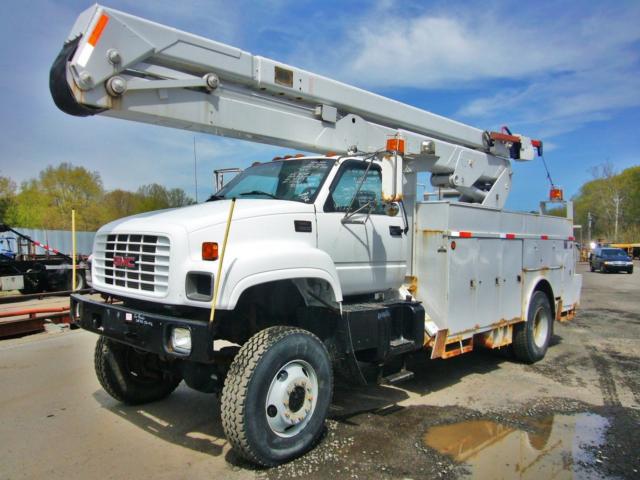
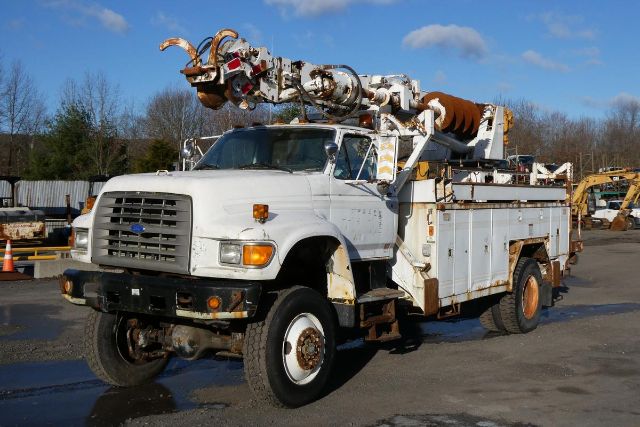
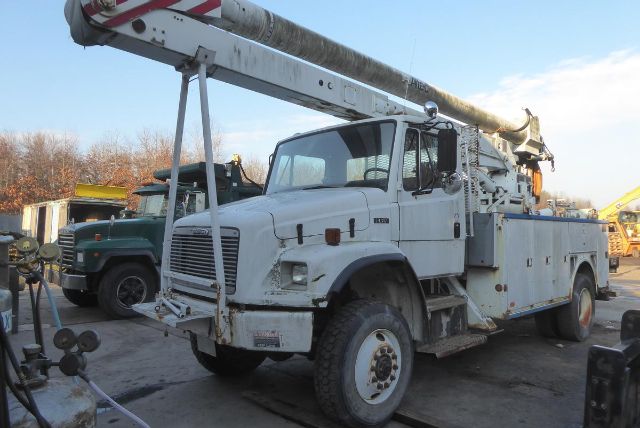
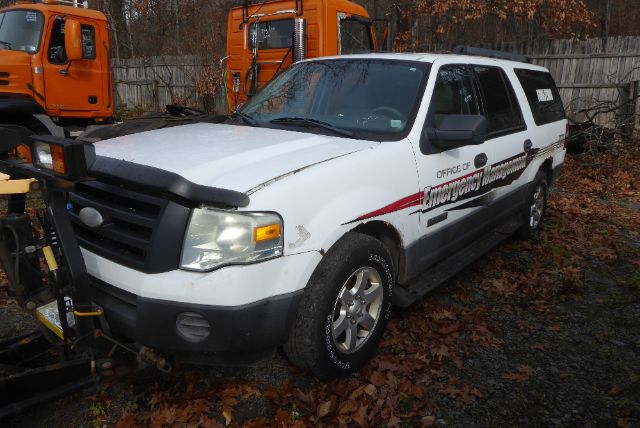
Showing 3,385 to 3,392 of 3,392 results
Have mitsubishi fuso truck to sell? List it here to reach thousands of buyers.
About Mitsubishi Fuso Trucks
Powertrains vary by year. Later FE models typically run the 3.0L 4P10 turbo-diesel paired with the Duonic 6-speed dual-clutch automated transmission for smooth shifts and solid fuel economy. Earlier trucks often use the 4.9L 4M50 diesel with an Aisin automatic, valued for its simplicity and broad parts availability. Emissions hardware evolved as well. Most 2012 and newer units use DPF and SCR with DEF, which cuts NOx and can improve mpg on consistent highway duty. Short-hop, stop-and-go routes benefit from regular highway runs to keep the aftertreatment healthy and reduce manual regens. FE130, FE160, and FE180 models commonly sit in Class 3 to Class 5, with GVWRs roughly 13k to just under 18k pounds. The FG 4x4 adds ground clearance and traction for utility, snow, and off-pavement work at a modest GVWR.
Bodies and applications are broad. Dry van and reefer bodies dominate parcel, beverage, and foodservice fleets, while landscapers and contractors favor stake, flatbed, and steel or aluminum dump configurations. Rollback and service body builds are also common thanks to the straight, body-builder-friendly frame and tilt-cab service access. Brakes are typically hydraulic with ABS in Class 3 to 5, while some older Class 6-7 FK and FM models on the market may feature air brakes and higher payloads. GCWR varies by model and axle ratio, and many FE trucks are capable of light towing when equipped with rated hitches, but always use the door tag and body builder guidelines to confirm combined ratings.
When comparing units, focus on duty cycle fit and lifecycle cost. Review documented DPF cleaning, SCR component replacement, and any forced regen history. Road test Duonic-equipped trucks for smooth takeoff, proper creep function, and consistent shift quality once warm, and budget for clutch-service intervals based on route severity. Verify wheelbase against body length, check frame rails and crossmembers for rust or drill-outs, inspect body floors and reefer insulation, and confirm tire age and load ratings. Finally, confirm local parts and service coverage, since support access can be as important as price in keeping a medium-duty cabover earning reliably.
Frequently Asked Questions
Which Mitsubishi Fuso models are most common in the used market and how do they differ?
The FE-series is the most common, typically in Class 3 to Class 5 with FE130, FE160, and FE180 badges that align to increasing GVWR and payload. These cabovers are popular as box trucks, reefers, dumps, and stakes in urban and regional delivery. The FG 4x4 adds a driven front axle for off-pavement access and winter work, trading a bit of payload for capability. Older FK and FM models appear as well, offering higher GVWRs and, in some cases, air brakes for heavier vocational roles.
What should I look for on a Fuso with the Duonic 6-speed transmission?
On a test drive, confirm smooth engagement from a stop, predictable low-speed creep, and clean upshifts once at temperature. Review service records for clutch replacements and software updates, since calibration matters for longevity. Inspect for fluid leaks at the mechatronic unit, make sure the transmission reaches operating temp during the drive, and plan maintenance intervals around your stop-start severity, which is harder on clutches than steady highway work.
How do Fuso emissions systems affect operation and maintenance?
Most 2012 and newer trucks use a DPF, DOC, and SCR with DEF. They run best when routes include sustained road speeds that complete passive regenerations. In heavy stop-and-go use, monitor soot load and keep up with DPF cleanings to avoid backpressure faults. DEF quality and winter handling matter, so store fluid properly and keep caps and lines clean. Earlier units may have simpler aftertreatment, but any used truck’s system health should be verified with scan data and service history.
What body lengths and applications fit FE cabovers well?
FE wheelbases support common bodies from about 12 to 20 feet. Parcel and general freight fleets often use 16 to 18 foot dry vans. Foodservice and floral delivery lean toward insulated and reefer bodies in the 14 to 18 foot range. Landscapers and contractors favor steel or aluminum dumps, flatbeds, and stake racks sized to payload and tool storage needs. Always match wheelbase to body length per the body builder chart for proper weight distribution and rear overhang.
Are parts and service support readily available for Mitsubishi Fuso trucks?
Parts availability remains solid through established distributors and dealer networks, but support density varies by region. Before committing, identify a local service provider familiar with Fuso diagnostics, aftertreatment, and the Duonic transmission where applicable. Verifying access to filters, sensors, DPF service, and transmission components will help control downtime and total cost of ownership.