
Freightliner Trucks For Sale in Iowa
Browse Freightliner trucks for sale in Iowa, including M2, FL and SD models for vocational, medium-duty, and highway applications.
Learn moreBrowse Freightliner Trucks by Category

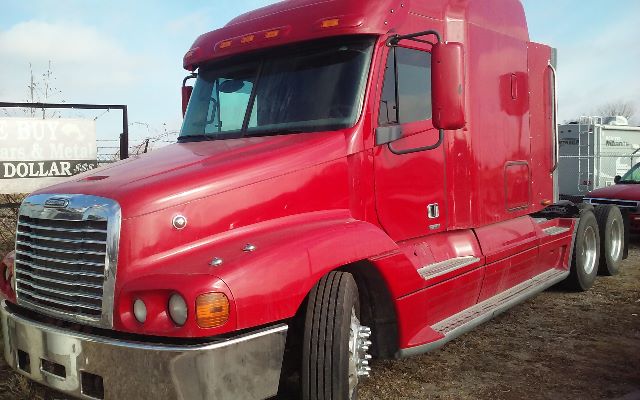
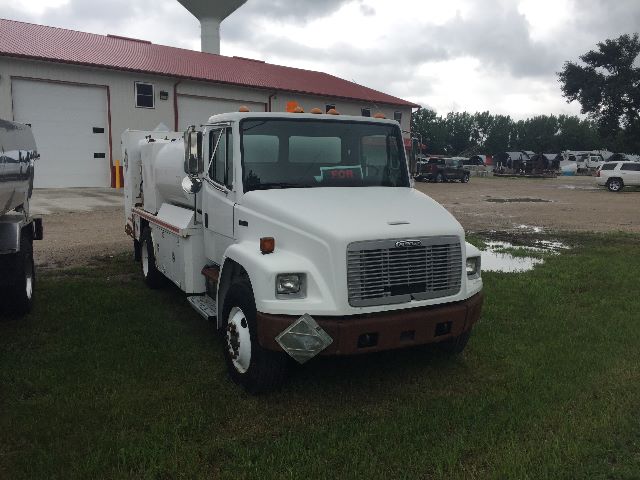
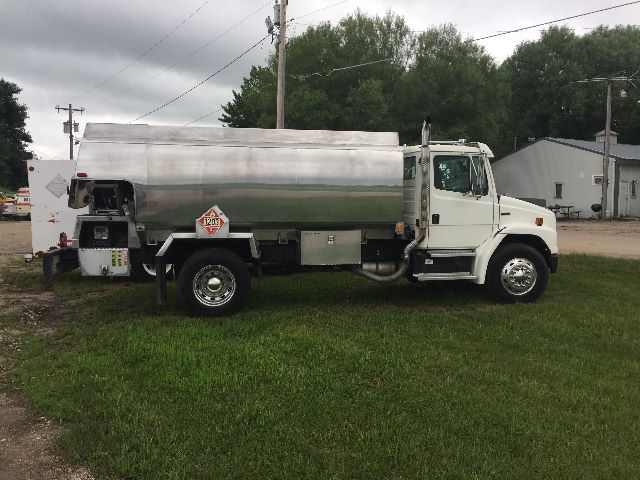
Showing 13 to 17 of 17 results
Have freightliner truck to sell? List it here to reach thousands of buyers.
About Freightliner Trucks in Iowa
For medium-duty and vocational Freightliner trucks, buyers usually compare Cummins-powered M2, FL, and SD units by front axle capacity, rear axle ratio, PTO compatibility, body upfit, and cab configuration. In Iowa, dump trucks, plow trucks, fuel and lube trucks, and service-body applications are especially common, so it is worth checking frame condition, hydraulic systems, spreader or plow controls, and any corrosion from winter road treatment. On older FL-70 and similar trucks, condition often comes down to brake system service history, suspension wear, tank or pump equipment condition if it is a fuel truck, and whether replacement parts for the upfit are still easy to source. On severe-duty models like the 108SD, look closely at transmission spec, differential lock, municipal body condition, and whether the truck has spent its life in snow and salt operations.
For highway Freightliner tractors, the focus shifts to sleeper size, wheelbase, transmission type, axle ratio, and emissions era. Many buyers still target pre-emissions or early-emissions Freightliner conventional sleepers because they are straightforward to maintain and widely supported. A used Century, Columbia, Coronado, Cascadia, or similar conventional tractor should be evaluated for engine make, horsepower rating, service records, driveline vibration, and signs of frame or fifth-wheel wear. In regional freight, an automatic transmission and moderate rear ratio may help with driver turnover and fuel economy. In heavier or older-spec tractors, suspension type, tandem condition, and tire wear patterns can tell you a lot about how the truck has been operated.
One advantage of buying within the Freightliner truck category is parts and service access. Freightliner has deep support across the Midwest, and many independent shops are familiar with Cummins, Detroit, Allison, and common Freightliner electrical and chassis systems. That does not replace a careful inspection. Buyers should still confirm GVWR, bridge-law fit, wheelbase for the intended body or trailer, and compatibility with any local fleet maintenance standards. A well-matched Freightliner can be a practical choice for Iowa fleets that need one platform for dump, municipal, fuel delivery, local service, or sleeper tractor work.
Frequently Asked Questions
What are the most common Freightliner truck models buyers look for in Iowa?
In Iowa, common Freightliner trucks include the M2 106 for medium-duty work, FL-series trucks such as the FL-70 for older service and fuel applications, 108SD models for dump and municipal duty, and conventional sleepers for regional or over-the-road hauling. The right model depends less on the nameplate and more on GVWR, axle configuration, engine, transmission, and the body or trailer the truck needs to handle.
Is a Freightliner M2 or SD model better for vocational work?
A Freightliner M2 is often a strong fit for medium-duty delivery, service, and lighter vocational applications because it balances maneuverability, visibility, and upfit flexibility. An SD model, including the 108SD, is generally better for heavier vocational work such as dump, plow, municipal, and construction service because it is built around more severe-duty frame and axle requirements. Buyers should compare front axle ratings, frame spec, PTO setup, wheelbase, and suspension before deciding.
What should I inspect on a used Freightliner plow or municipal truck?
A used municipal Freightliner should be checked for rust and corrosion first, especially around the frame, body mounts, hydraulic lines, spreader components, plow gear, and electrical connections. Buyers should also inspect the front frame extensions, wing plow mounts if equipped, differential lock operation, transmission function, and evidence of hard seasonal use. Trucks that have worked in snow and salt can still be valuable, but corrosion and hydraulic wear have a direct effect on operating cost.
Are older Freightliner FL-series trucks still a practical buy?
Older FL-series Freightliner trucks can still be practical when the truck matches a lower-mileage or specialized role such as fuel and lube service, local delivery, or farm support. Their value usually depends on mechanical condition, brake and suspension service history, availability of upfit parts, and whether the truck’s weight rating still fits the job. Buyers should pay close attention to age-related wiring issues, cab condition, and any tank, pump, or PTO equipment mounted on the chassis.
Why do many fleets choose Freightliner trucks?
Many fleets choose Freightliner because the brand covers a wide range of applications and has strong parts and service support. Freightliner chassis are common in medium-duty, vocational, and highway service, so technicians are generally familiar with their layouts and with the Cummins, Detroit, and Allison components often found in them. That broad support can help reduce downtime, especially for fleets operating across Iowa and the surrounding Midwest.