
Conventional Sleeper Trucks For Sale
Conventional sleeper trucks with optimized powertrain, sleeper insulation, tare weight, and corrosion protection for efficient long-haul uptime results.
Learn moreBrowse Conventional Sleeper Trucks by Make
968 Listings
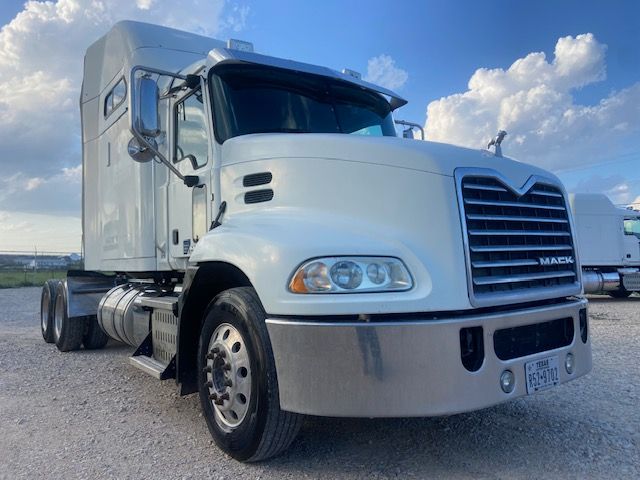
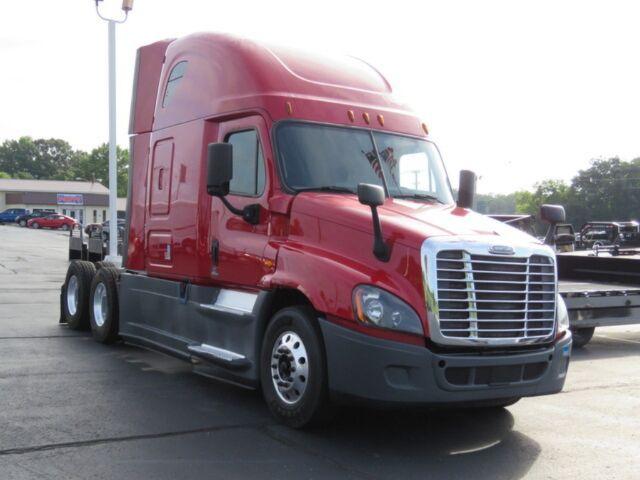
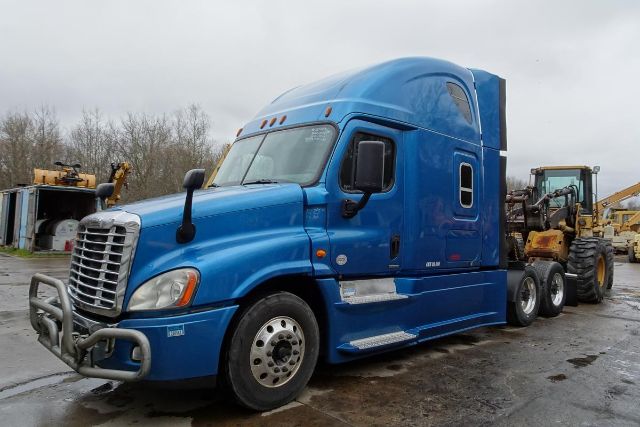
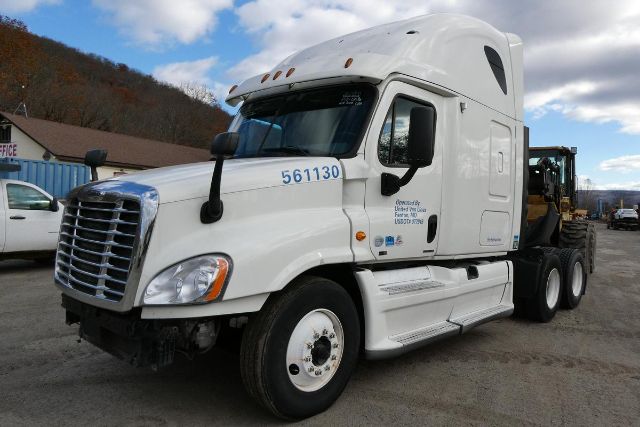
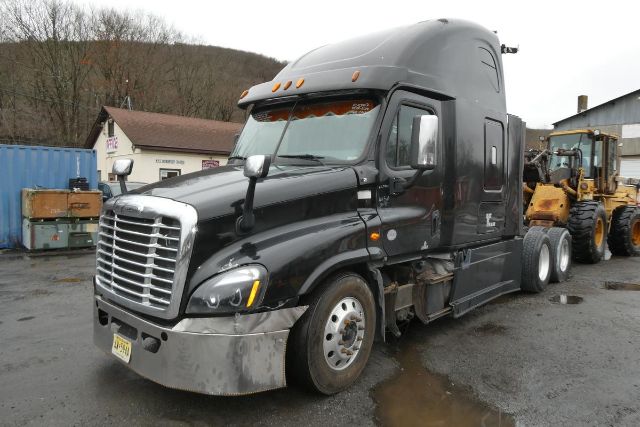
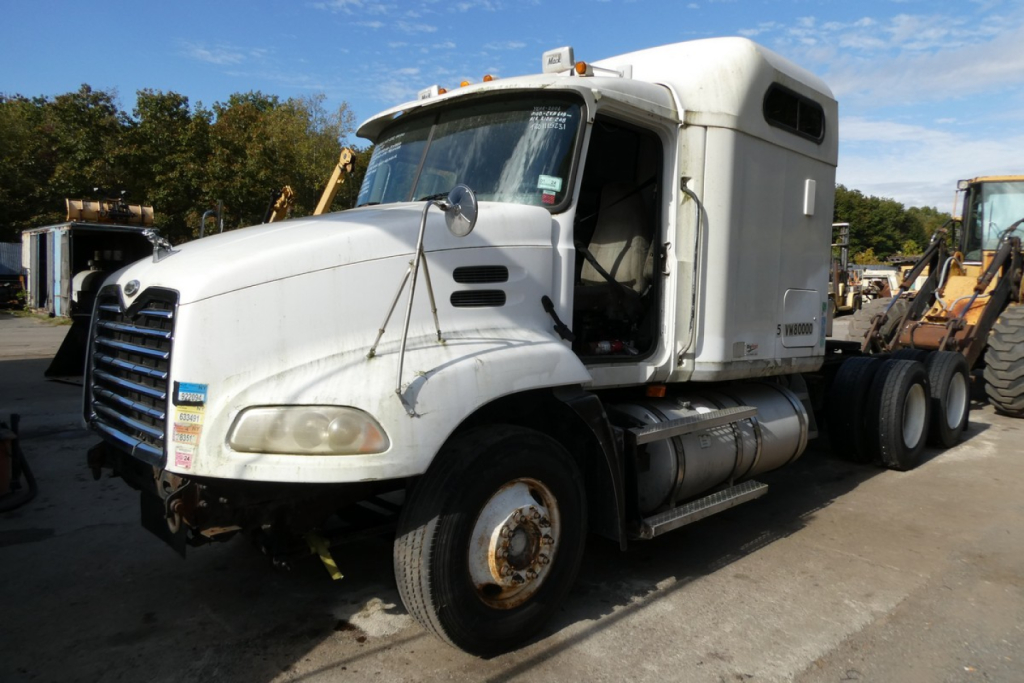
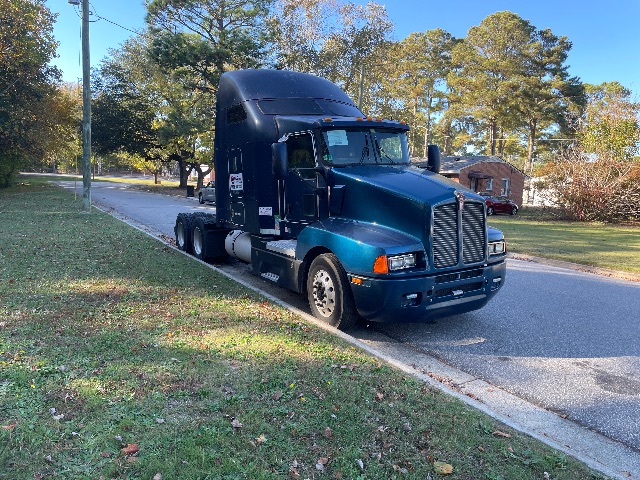
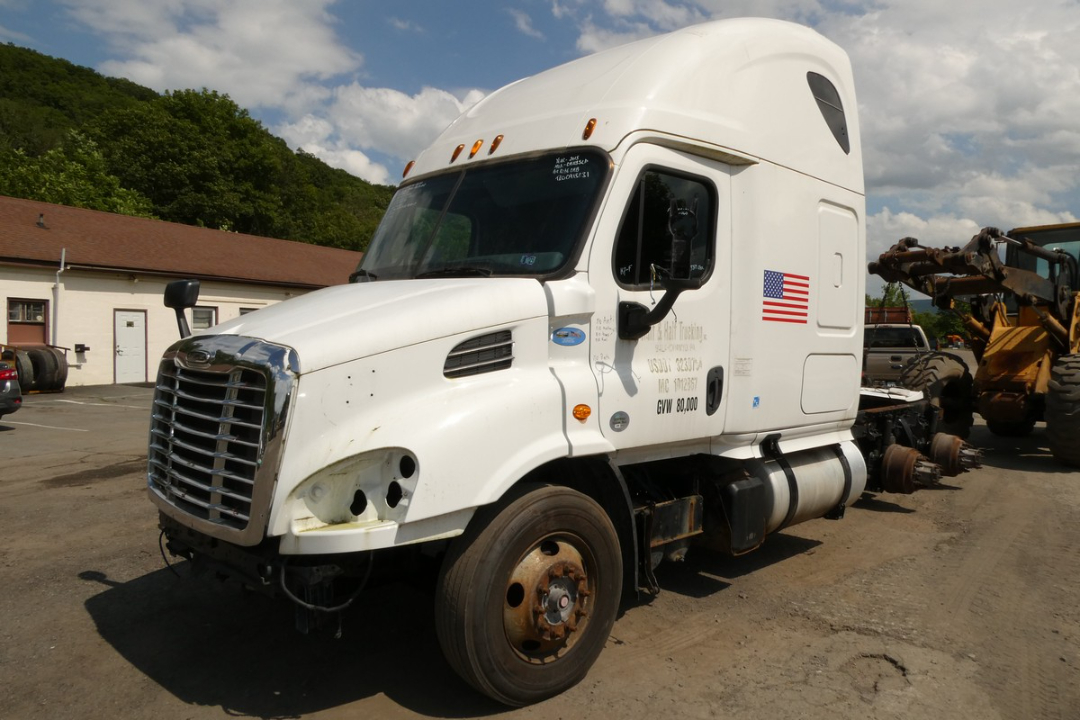
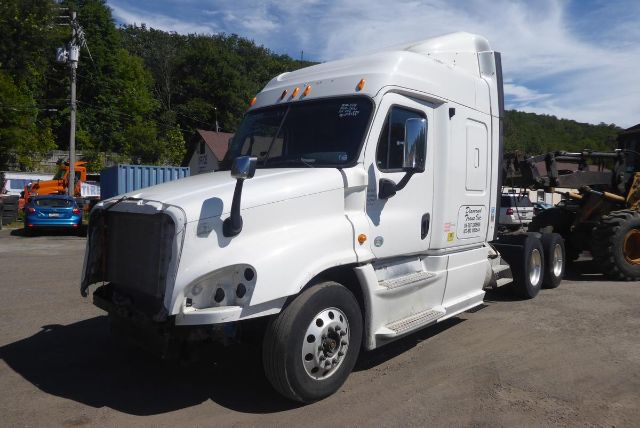
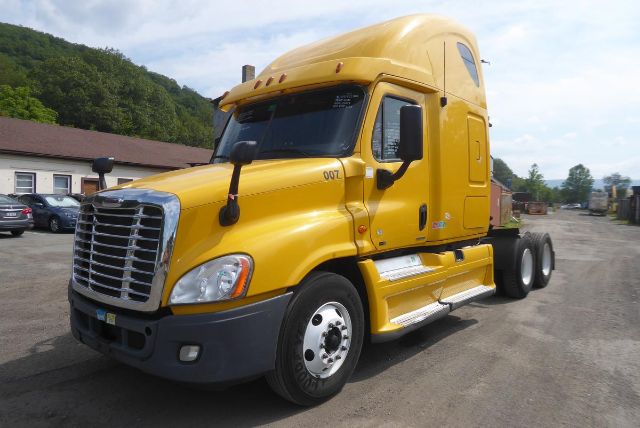
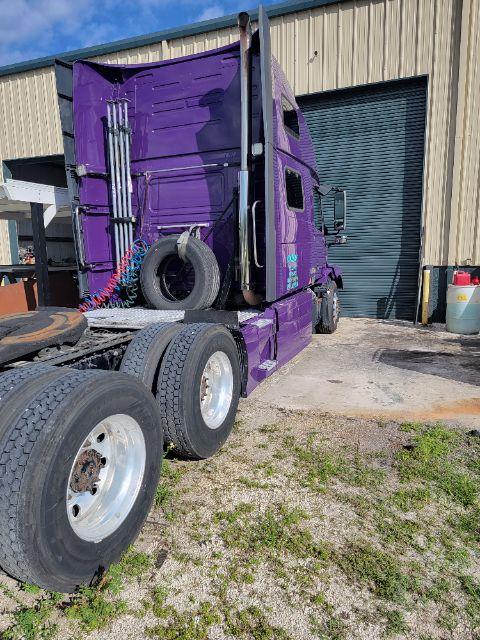
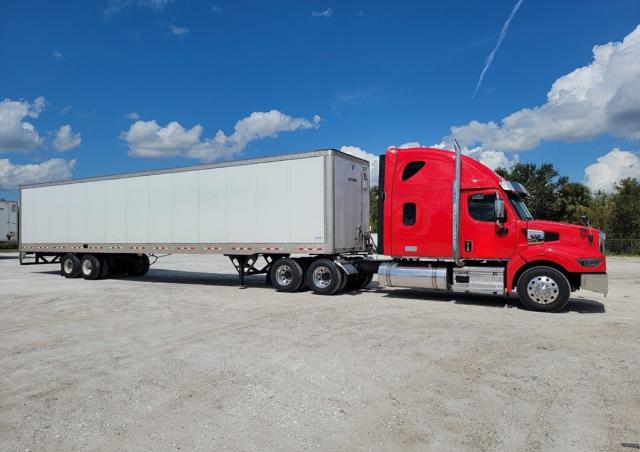
Showing 901 to 912 of 968 results
Have conventional sleeper truck to sell? List it here to reach thousands of buyers.
About Conventional Sleeper Trucks
Conventional sleeper trucks pair highway gearing and an enclosed bunk to keep drivers productive on multi-day routes. Integrated sleepers typically deliver better aerodynamic flow and thermal integrity than box conversions, and insulation packages matter. A well sealed cab with insulated doors, headliner, and sleeper floor reduces HVAC cycling, supports battery HVAC or APU performance, and cuts idle time. Look for quiet cabs with tight door tolerances, quality bunk curtains, and efficient ducting that maintains even temperatures from the cab to the upper bunk.
Chassis specification governs durability and ride. Frame rail section modulus and RBM should match your GCW and terrain, and crossmember spacing influences stiffness under the fifth wheel. Cab and sleeper floor strength is critical, especially around step wells, battery boxes, and underbunk storage where flex can lead to squeaks and water intrusion. Corrosion resistance separates good tractors from great ones; aluminum cabs or e-coated steel, galvanized or stainless brackets, sealed electrical connectors, composite fairing mounts, and undercoating extend service life in salt regions. Verify fifth wheel capacity and slide length for trailer clearance, and check roof fairings and cab extenders for proper trailer gap management.
Tare weight directly affects payload and fuel burn. Aluminum wheels, disc brakes, single 120 to 135 gallon tanks when range allows, and 6x2 or liftable axle configurations can remove hundreds of pounds, while heavy double frames, full moose bumpers, or large APUs add weight. Match engine torque to duty cycle, 1,450 to 2,050 lb ft is common, and pair it with an AMT for low speed control and downspeeding. Direct drive gearboxes with fast ratios reduce parasitic loss at cruise, overdrive units with slightly slower rears help in rolling terrain; tire size and aero kits complete the equation. Proper rear axle ratios, typically 2.26 to 3.08 with 22.5 tires depending on target cruise rpm, balance gradeability and efficiency.
Driver comfort and uptime features protect your investment. Choose sleeper lengths and roof heights that fit your route and driver count, think 56 to 80 inch bunks with workable cabinetry, 1,800 to 2,500 watt inverters with shore power, diesel-fired bunk heaters, and no-idle HVAC. Safety and service items like collision mitigation, adaptive cruise, disc brakes, TPMS, LED lighting, and remote diagnostics shorten stops and improve control. Aftertreatment health matters, inspect DPF and DOC condition, SCR dosing, and sensor history, and confirm maintenance intervals for oil, coolant, and transmission. Wheelbase and BBC must suit weight distribution and turning in tight docks, and suspension choice, air or taper leaf with cab air ride, influences ride quality without compromising floor strength or thermal integrity.
Chassis specification governs durability and ride. Frame rail section modulus and RBM should match your GCW and terrain, and crossmember spacing influences stiffness under the fifth wheel. Cab and sleeper floor strength is critical, especially around step wells, battery boxes, and underbunk storage where flex can lead to squeaks and water intrusion. Corrosion resistance separates good tractors from great ones; aluminum cabs or e-coated steel, galvanized or stainless brackets, sealed electrical connectors, composite fairing mounts, and undercoating extend service life in salt regions. Verify fifth wheel capacity and slide length for trailer clearance, and check roof fairings and cab extenders for proper trailer gap management.
Tare weight directly affects payload and fuel burn. Aluminum wheels, disc brakes, single 120 to 135 gallon tanks when range allows, and 6x2 or liftable axle configurations can remove hundreds of pounds, while heavy double frames, full moose bumpers, or large APUs add weight. Match engine torque to duty cycle, 1,450 to 2,050 lb ft is common, and pair it with an AMT for low speed control and downspeeding. Direct drive gearboxes with fast ratios reduce parasitic loss at cruise, overdrive units with slightly slower rears help in rolling terrain; tire size and aero kits complete the equation. Proper rear axle ratios, typically 2.26 to 3.08 with 22.5 tires depending on target cruise rpm, balance gradeability and efficiency.
Driver comfort and uptime features protect your investment. Choose sleeper lengths and roof heights that fit your route and driver count, think 56 to 80 inch bunks with workable cabinetry, 1,800 to 2,500 watt inverters with shore power, diesel-fired bunk heaters, and no-idle HVAC. Safety and service items like collision mitigation, adaptive cruise, disc brakes, TPMS, LED lighting, and remote diagnostics shorten stops and improve control. Aftertreatment health matters, inspect DPF and DOC condition, SCR dosing, and sensor history, and confirm maintenance intervals for oil, coolant, and transmission. Wheelbase and BBC must suit weight distribution and turning in tight docks, and suspension choice, air or taper leaf with cab air ride, influences ride quality without compromising floor strength or thermal integrity.