
New Mack Conventional Sleeper Trucks For Sale in Colorado
Shop new Mack conventional sleeper trucks in Colorado. Compare MP13 power, MDrive automation, 76-inch sleepers, safety tech, and specs.
Learn more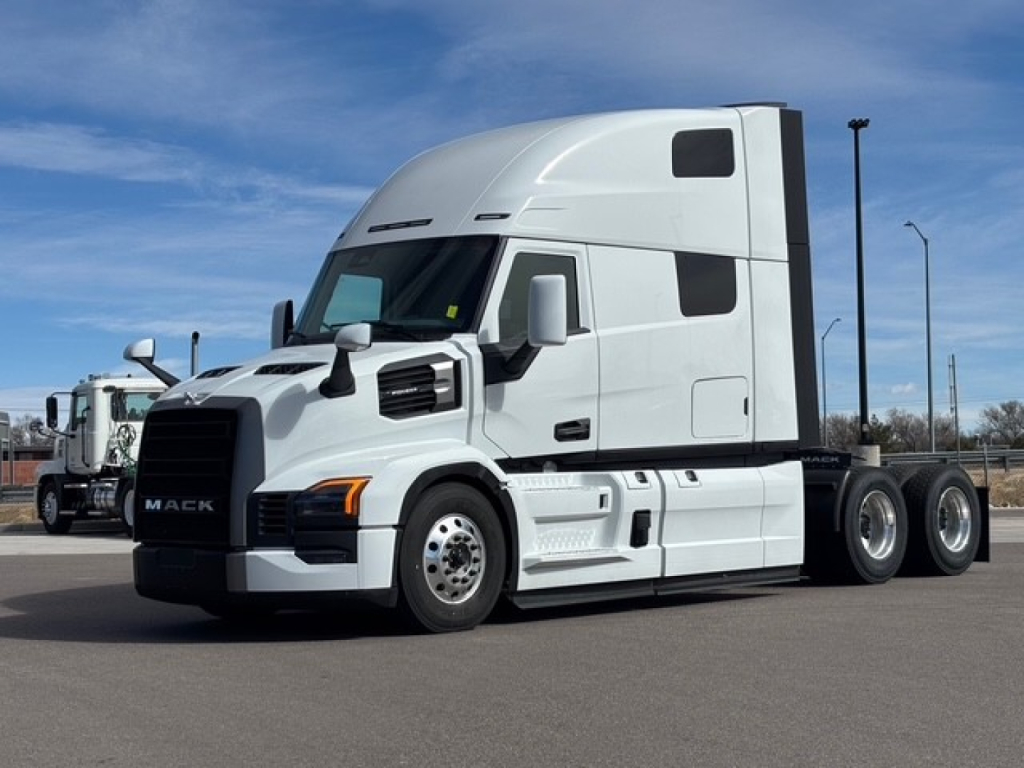
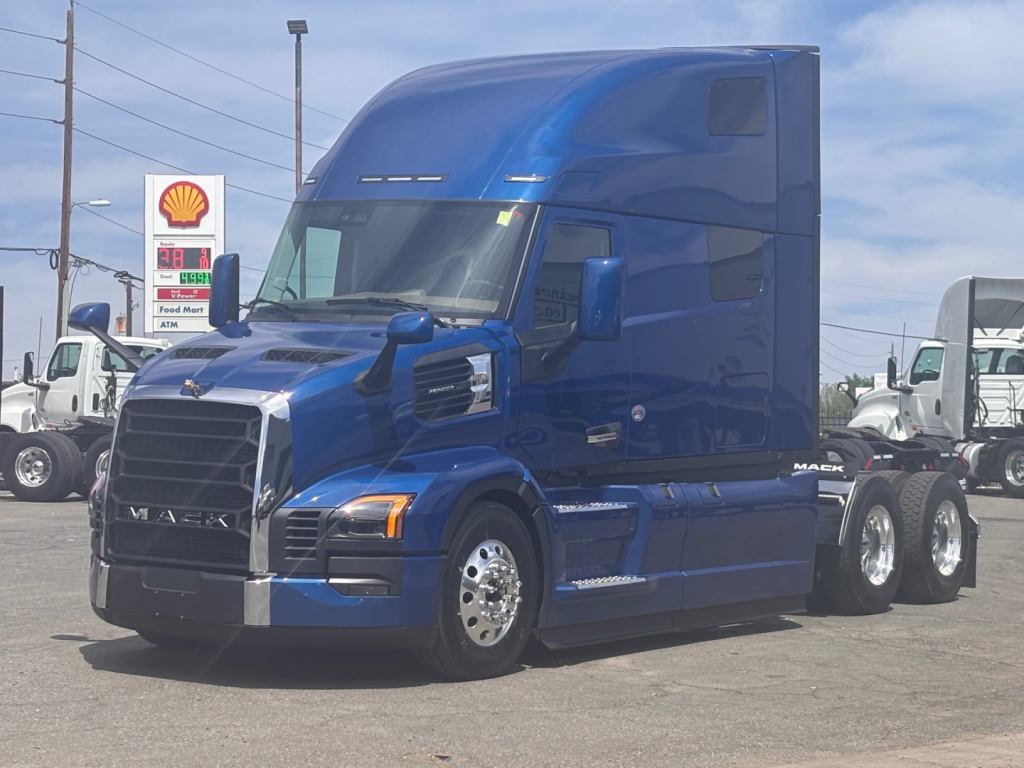
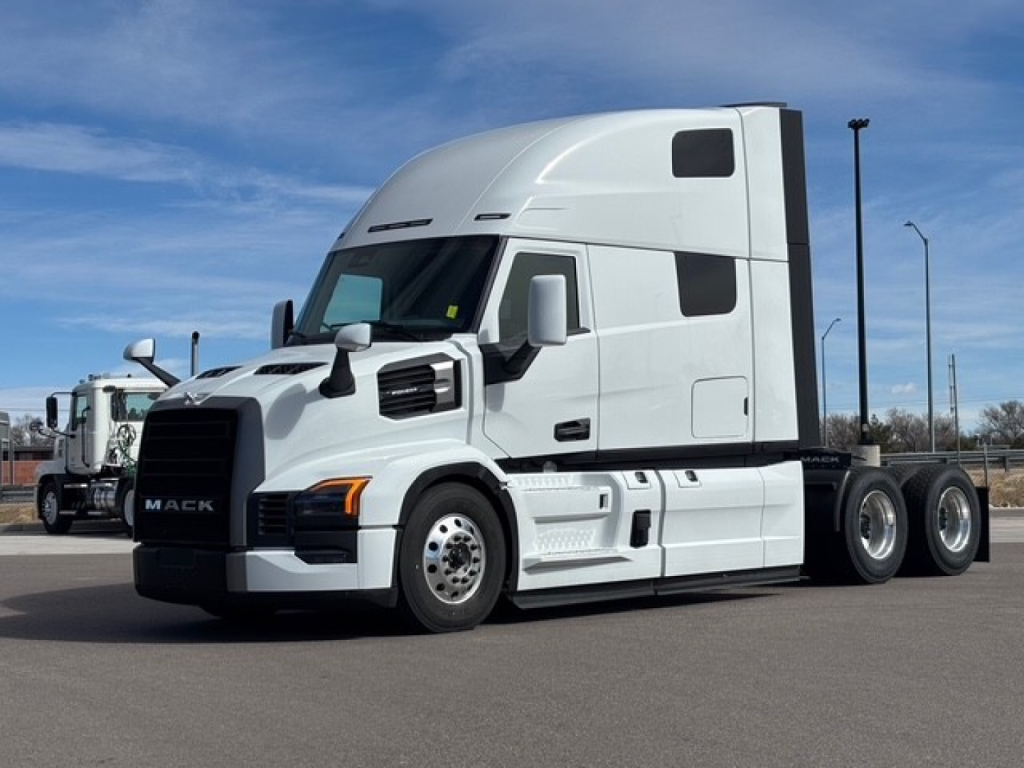
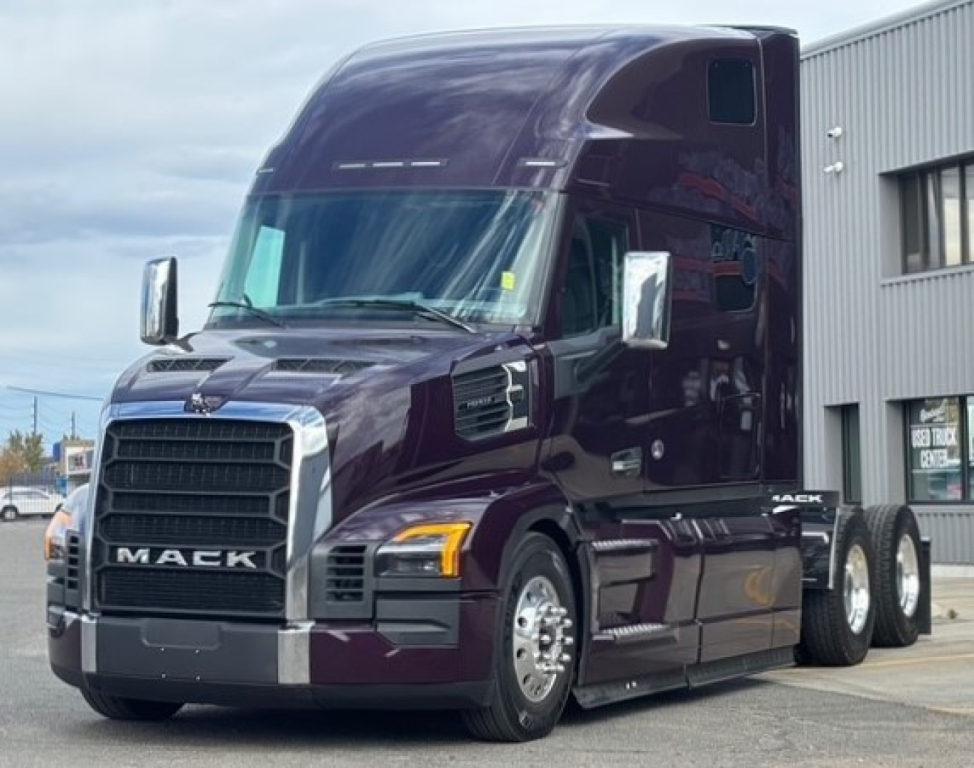

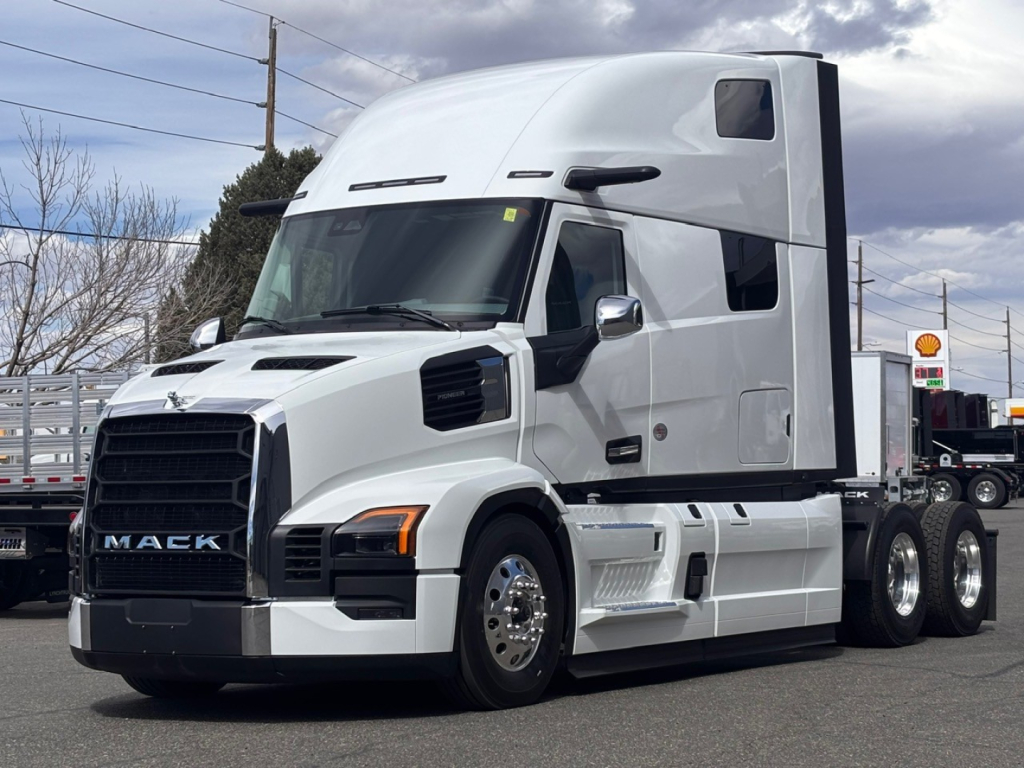
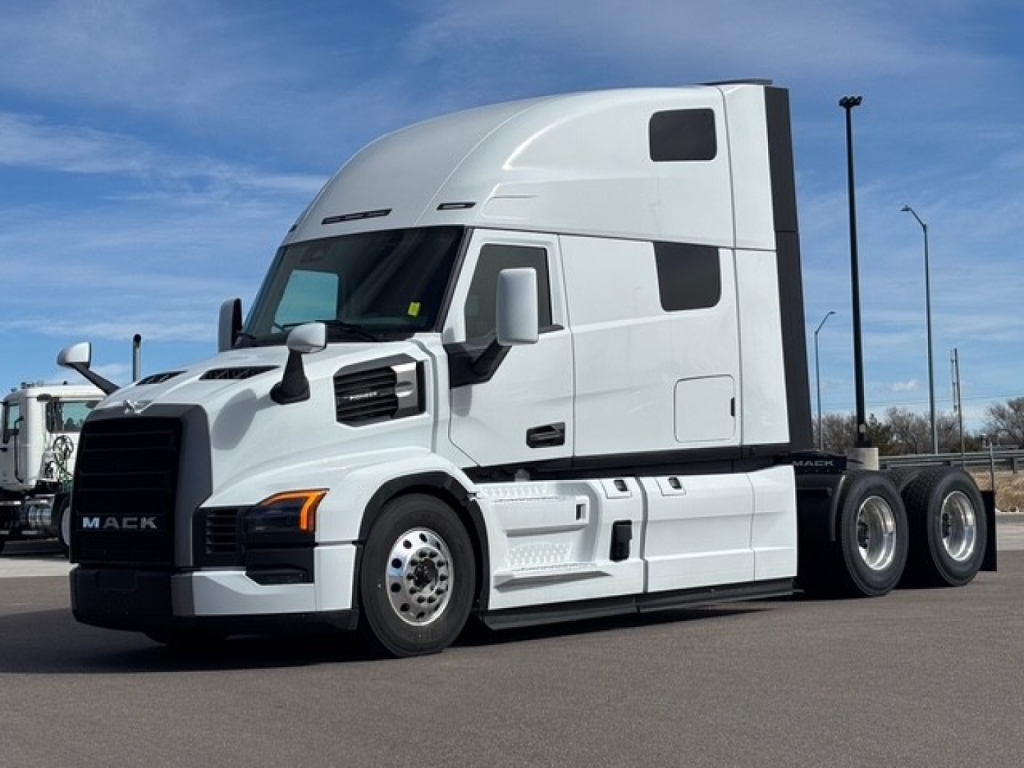
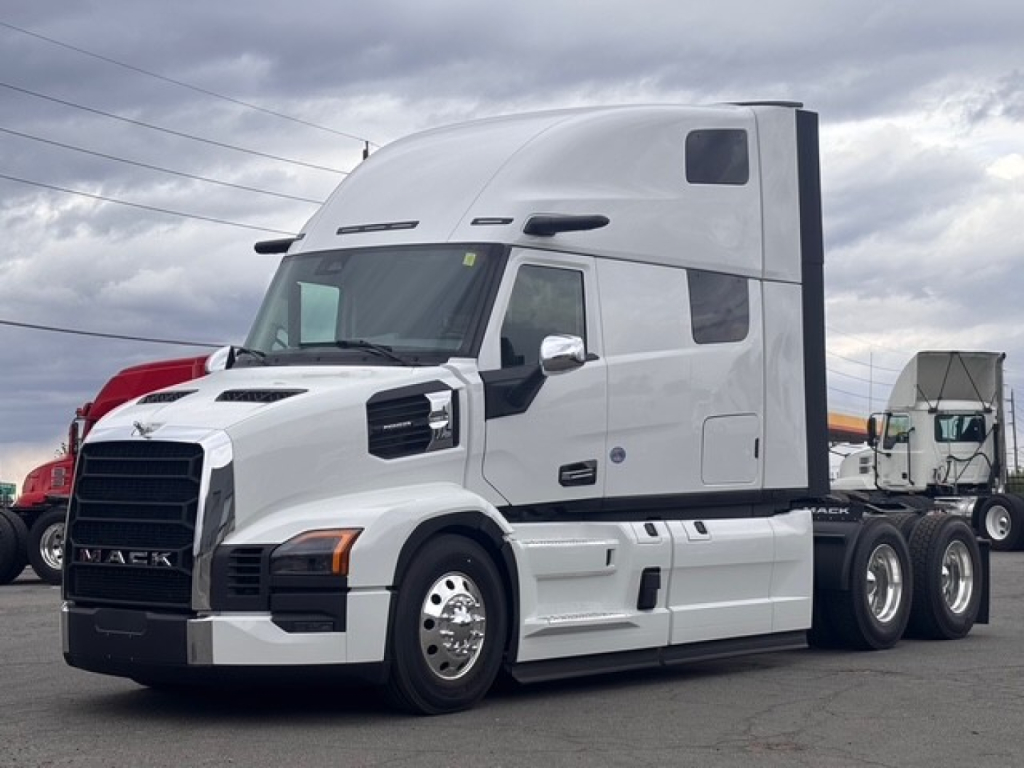
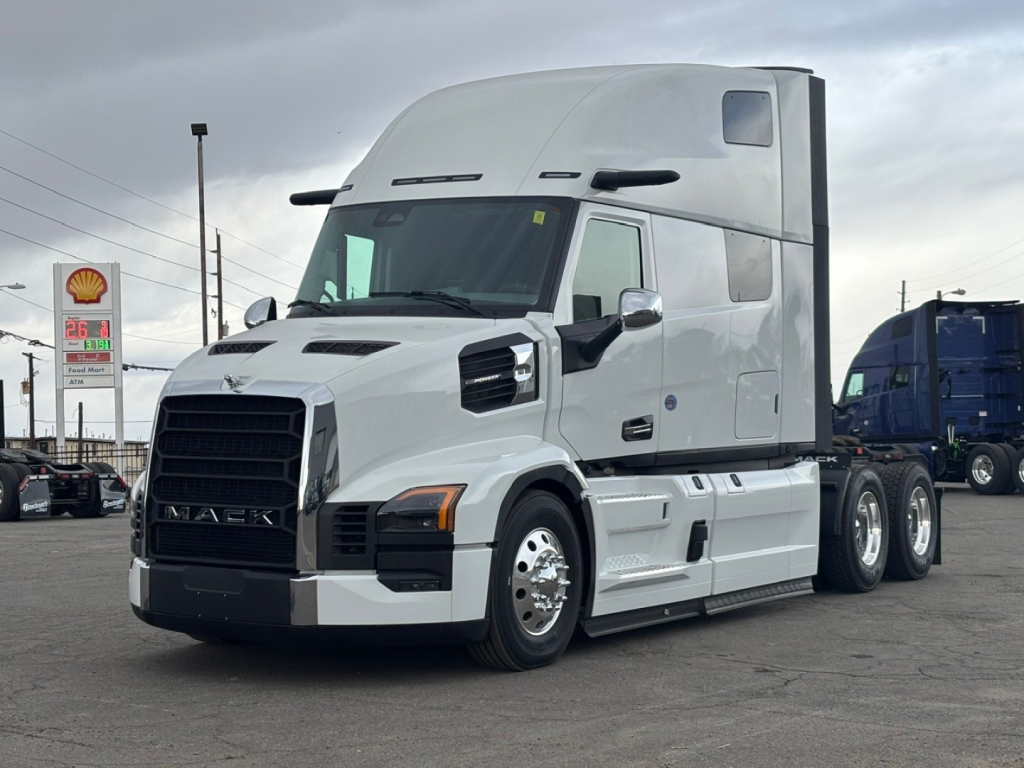
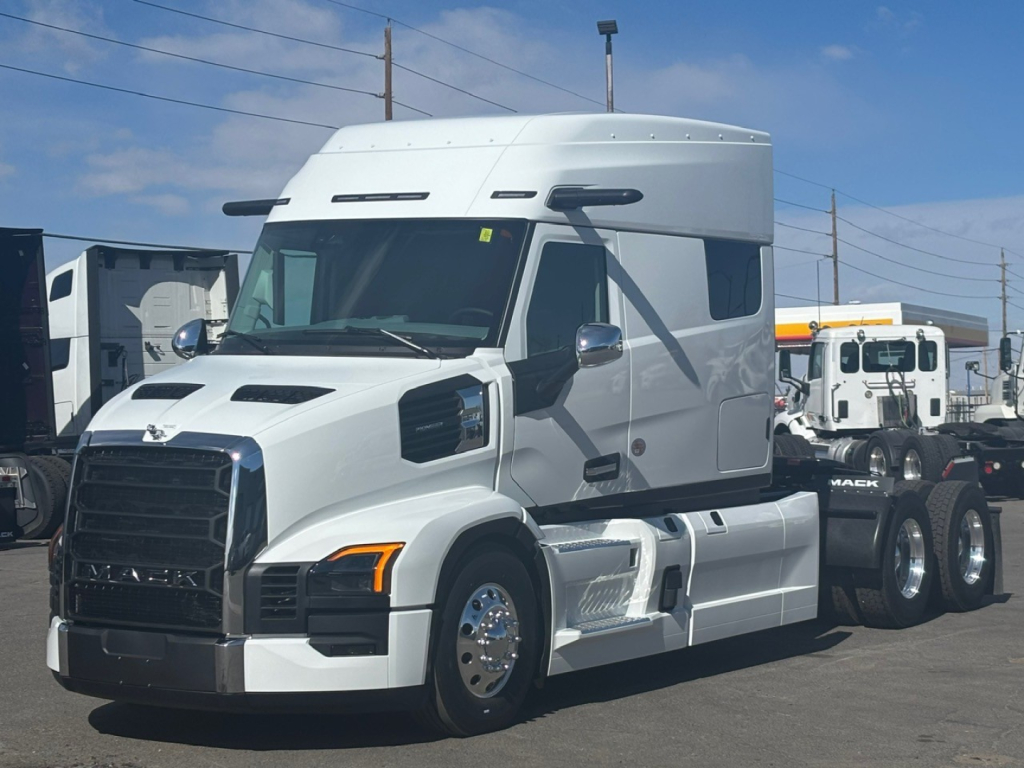
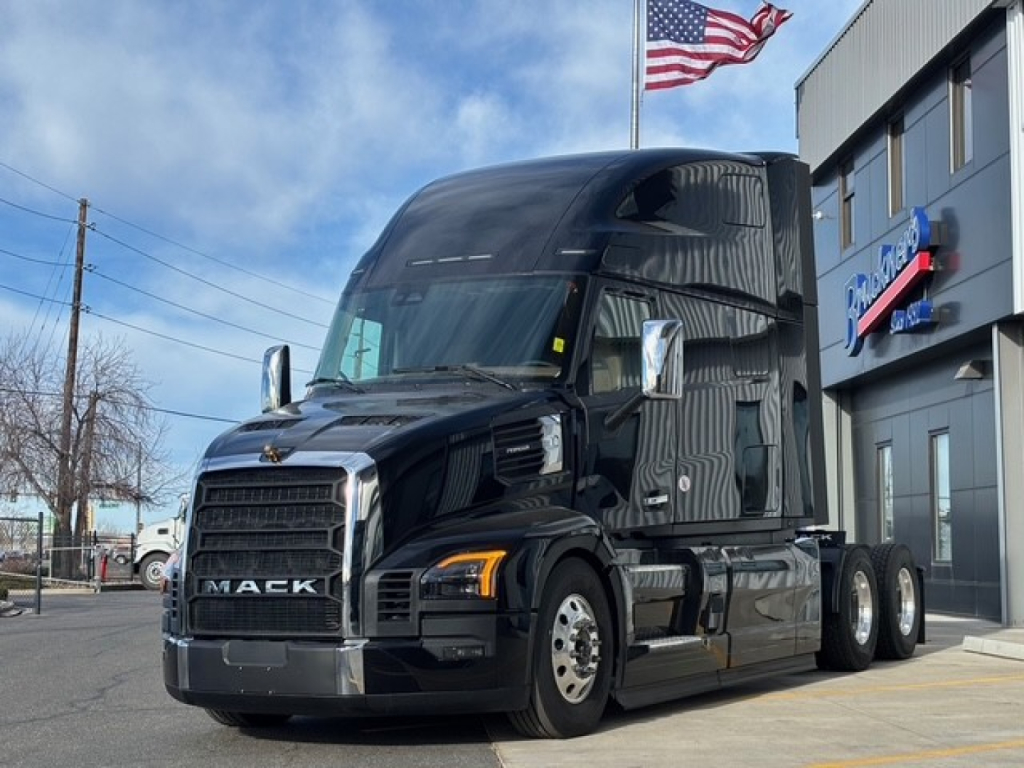
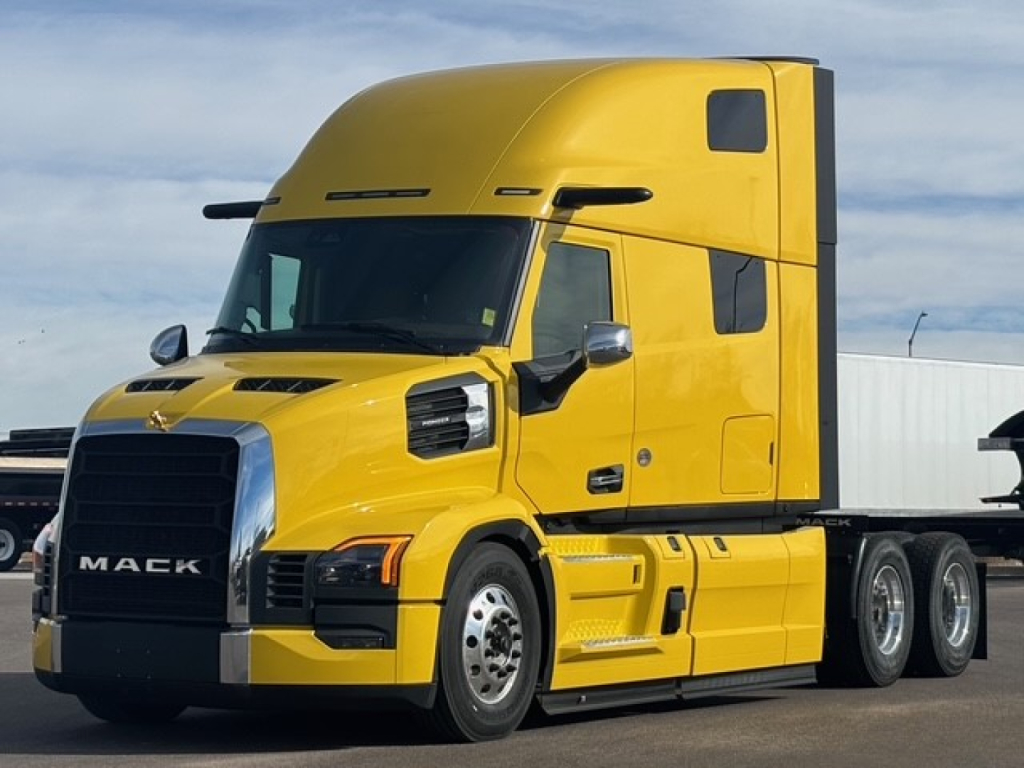
Showing 1 to 12 of 15 results
Have new mack conventional sleeper truck to sell? List it here to reach thousands of buyers.
About New Mack Conventional Sleeper Trucks in Colorado
For Colorado operations, powertrain and braking spec deserve extra attention. A sleeper tractor running I-70 grades, Front Range traffic, and wide temperature swings benefits from disc brakes, adaptive cruise control, collision mitigation, and axle lock configurations that support traction when conditions turn. Fuel capacity is another major decision point. Many conventional sleepers in this class are set up with split tank capacities around 200 to 250 gallons combined, which can make a difference on longer western lanes where stop planning affects productivity. Buyers should also compare wheelbase, axle ratio, and any predictive or steering-assist features if the truck will spend most of its life in mountain corridors.
Sleeper layout is where these trucks separate themselves for team service, extended runs, and driver retention. Mack high-roof sleepers in the 76-inch range are common in this class and often include double bunk arrangements, refrigerator prep, premium control panels, parking heaters, and integrated parking coolers. Features like FlexSuite bunk systems, heated and ventilated seating, digital mirrors, and upgraded audio packages are not just comfort items. They directly affect time off-duty, cab livability, and a driver's willingness to stay in the truck for multi-day runs. For fleets, that can translate into stronger utilization and less pushback on truck assignment.
Safety and driver-assist content has become a major buying factor in new Mack sleeper trucks. It is increasingly common to see lane departure warning, lane support with corrective steering, blind spot monitoring, backup cameras, traffic sign recognition, electronic stability control, driver monitoring, and airbag systems packaged into the same spec. Buyers comparing listings should look beyond model year and paint color and focus on the exact safety package, sleeper equipment, and warranty coverage. On a new conventional sleeper, the right spec is the one that matches freight, route profile, and driver expectations without adding unnecessary weight or cost.
Frequently Asked Questions
What engine and transmission are common in new Mack conventional sleeper trucks?
A common setup in this category is the Mack MP13 engine paired with the Mack MDrive 12-speed automated manual transmission. In many highway sleeper specs, horsepower lands around 445 hp, which is a practical range for van, reefer, and general freight applications. This pairing is popular because it balances pull on grades, fuel economy, and ease of operation for fleets with mixed driver experience levels.
Is a 76-inch high-roof sleeper the right choice for over-the-road work?
A 76-inch high-roof sleeper is a strong fit for long-haul operations, team runs, and any application where the driver spends multiple nights in the truck. The extra vertical and horizontal space supports double bunk layouts, storage, refrigerator space, and more comfortable off-duty time. If the truck is primarily regional with limited overnight use, a smaller sleeper may save some weight and cost, but for true OTR work the 76-inch sleeper is often the preferred configuration.
What specs matter most for Colorado sleeper truck buyers?
Colorado buyers should pay close attention to horsepower, axle ratio, brake type, traction aids, and driver-assist systems. Mountain grades and winter conditions can expose an under-specced tractor quickly. Disc brakes, adaptive cruise control, collision mitigation, inter-axle or differential locks, and a powertrain tuned for elevation and grade performance are all worth prioritizing. Fuel capacity also matters more in western lanes where stop intervals are longer.
Are digital mirrors and advanced safety systems worth paying for on a new Mack sleeper?
For many buyers, yes. Digital mirrors can improve visibility in poor weather and low-light conditions while also supporting aerodynamics. Advanced safety systems such as forward collision warning, emergency braking, lane support, blind spot monitoring, and backup cameras can reduce incident exposure and improve driver confidence. Fleets may also see benefits in insurance conversations, onboarding newer drivers, and lowering fatigue on long interstate runs.
How should buyers compare new Mack sleeper truck listings?
The best comparison starts with the operating profile, not the badge on the hood. Look at engine rating, transmission, wheelbase, fuel capacity, brake spec, sleeper amenities, safety package, and warranty terms. Two trucks may appear nearly identical but differ meaningfully in bunk configuration, parking HVAC, interior trim, digital mirror systems, or active safety content. Those details affect daily usability, resale value, and total cost of ownership more than cosmetic differences.