
Utility Van Trailers For Sale
Shop Utility van trailers with 53-foot dry van specs, air ride, sliding tandems, logistics posts, and fleet-ready freight options.
Learn more
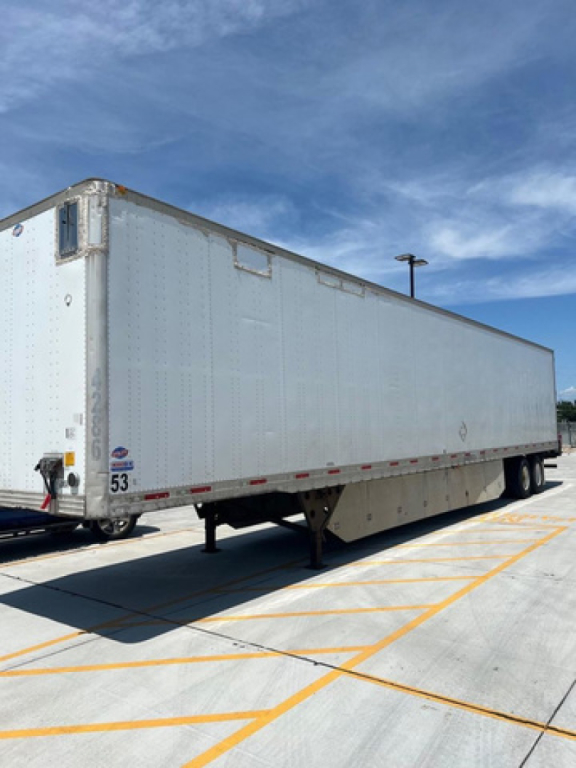
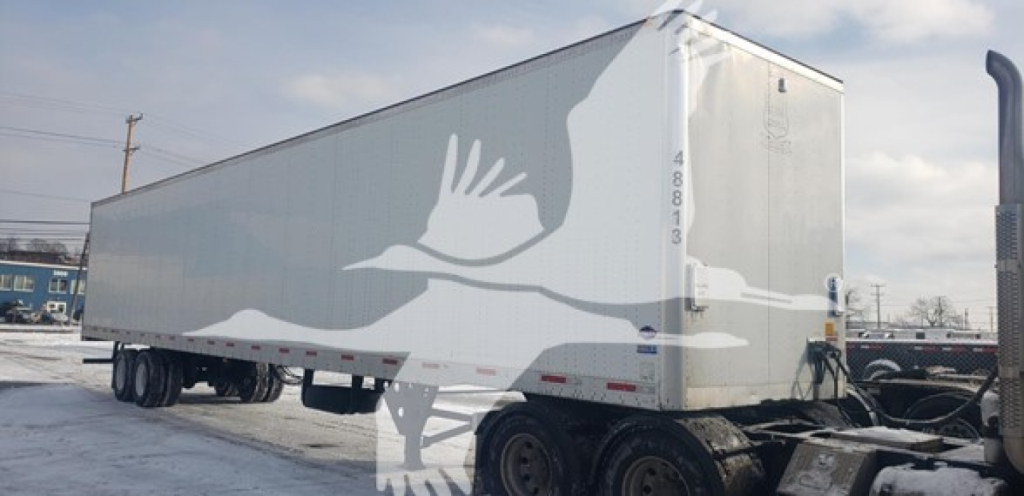
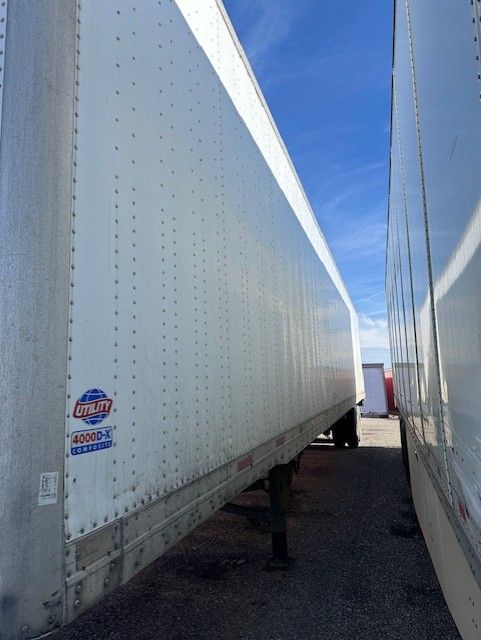
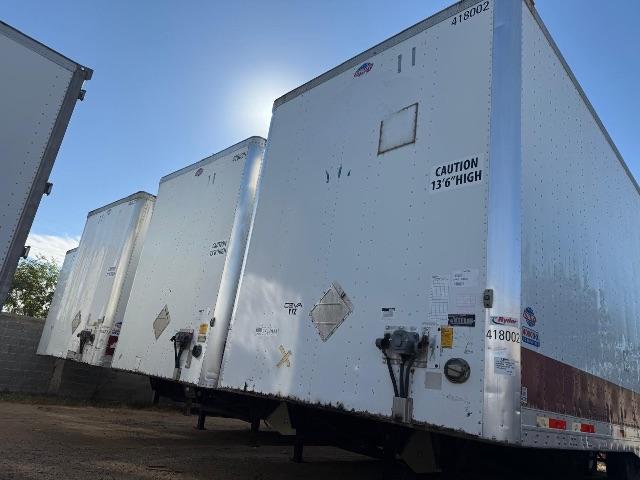
Showing 217 to 228 of 243 results
Have utility van trailer to sell? List it here to reach thousands of buyers.
About Utility Van Trailers
The spec decisions that matter most usually start with suspension, axle setting, and wheel-end package. Air ride with a sliding tandem is common because it gives better ride quality for freight and more flexibility for bridge law and load distribution. Tire size is often 22.5 low-profile, and buyers will see both steel and aluminum wheel packages depending on weight targets and maintenance preference. Tire inflation systems such as PSI or Tire Maxx-Pro are worth noting on high-mileage fleet trailers because they help control irregular wear and roadside downtime. Anti-dock-walk systems, dock bumpers, and heavy threshold plates also add value for trailers that spend their life in busy warehouse networks.
Body construction on Utility dry vans is another major buying point. Many are built with aluminum roofs, composite or plate sidewall construction, wood floors, scuff liners, and logistics posts spaced to support load securement flexibility. A tall bottom rail, wear band, and lined interior can make a difference in trailers that regularly haul dense freight or see hard forklift use. Rear swing doors remain the standard for dock work, typically with two lock rods, while front and rear vents may be included to help manage moisture and airflow in certain freight applications. If cargo claims, floor life, and sidewall durability are priorities, pay close attention to floor condition, wall liner type, post spacing, and evidence of repeated forklift impact.
For used Utility van trailers, condition matters more than model year alone. Buyers should inspect roof bows, door frame alignment, rear sill, crossmembers, landing gear, slider operation, suspension wear, and signs of floor delamination or patched sections. On newer fleet-spec trailers, aerodynamic side skirts, aluminum roof construction, LED lighting, and telematics-ready tire systems are common features that can improve operating efficiency. Utility has a strong reputation in the van trailer market, so the right unit often comes down to matching the trailer's floor, lining, axle configuration, and maintenance history to the freight lane it will actually run.
Frequently Asked Questions
What are the most common specs on a Utility van trailer?
The most common Utility van trailer configuration is a 53-foot by 102-inch dry van with tandem axles, air ride suspension, a sliding tandem, 22.5 low-profile tires, and rear swing doors. Many units also include an aluminum roof, wood floor, logistics posts, scuff liner, threshold plate, and either steel or aluminum wheels. Fleet-oriented specs such as side skirts, tire inflation systems, and LED lighting are also common.
Is a Utility 4000D-X a dry van trailer?
Yes. The Utility 4000D-X is a well-known dry van trailer platform used in general freight and distribution service. It is designed for enclosed cargo, dock loading, and high-cube freight movement. Depending on the exact build, it may include composite or plate sidewall construction, wood flooring, air ride suspension, and interior logistics equipment for load securement.
What should I inspect on a used Utility dry van trailer?
Focus on structural and wear items first. Check the floor for soft spots, patchwork, rot, or forklift damage. Inspect the rear frame, door seals, hinges, lock rods, threshold plate, crossmembers, landing gear, roof, and sidewalls for impact damage or repairs. Make sure the slider moves correctly, the suspension is tight, and any tire inflation system is complete and functioning. Trailer condition and maintenance history usually matter more than age alone.
Are sliding tandems important on a van trailer?
Yes. A sliding tandem gives the trailer more flexibility for bridge compliance, state weight laws, and axle load distribution. It also helps fleets adapt to different freight weights and customer requirements. For many over-the-road and regional dry van operations, a sliding tandem is considered a practical must-have rather than an optional feature.
What type of freight is best suited for Utility van trailers?
Utility van trailers are built for dry, palletized, and protected freight. Common cargo includes retail goods, boxed consumer products, paper, packaging, automotive parts, and other non-temperature-controlled loads that need weather protection and secure dock loading. Interior features such as logistics posts, scuff liners, and wood floors make them especially well suited for mixed freight and repeated forklift loading.