
Used 2014 Trailers For Sale
Shop used 2014 trailers for sale, including dry vans, reefers, flatbeds, and drop decks with specs that fit freight, lanes, and budget.
Learn morePopular Trailers Categories
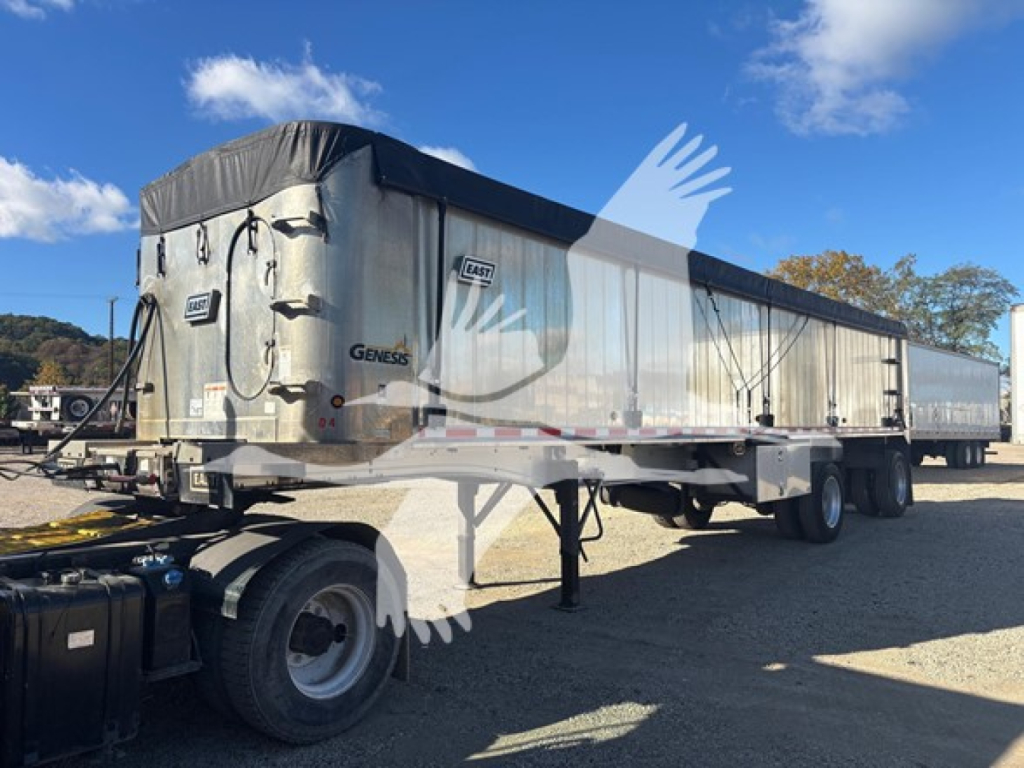

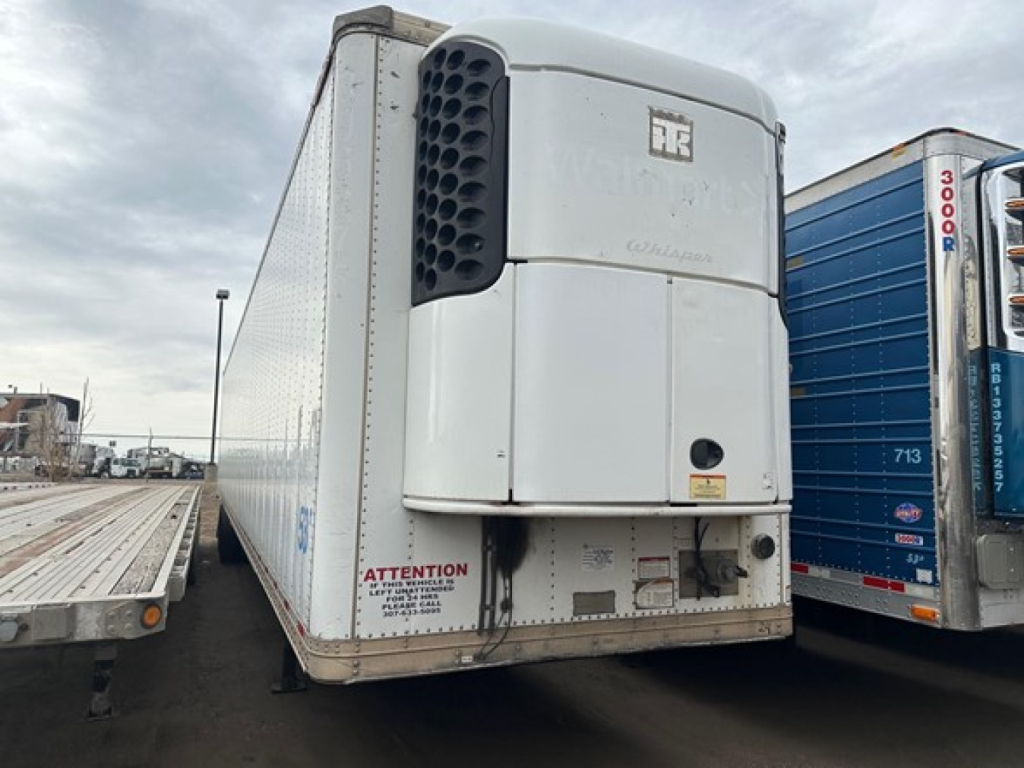
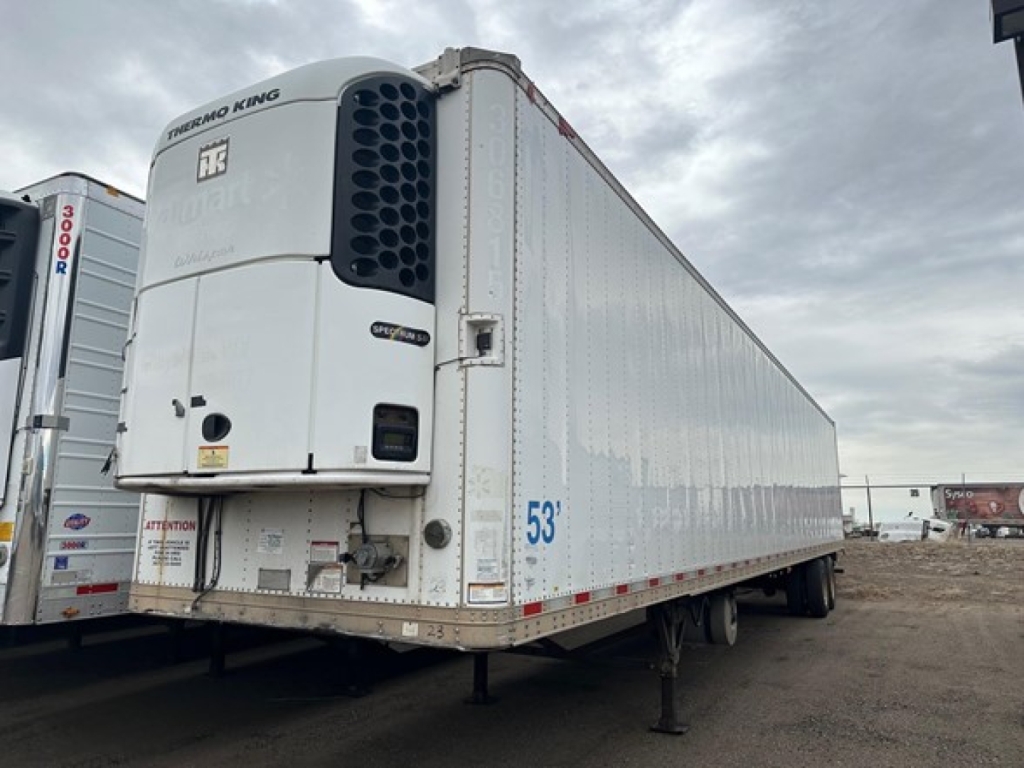
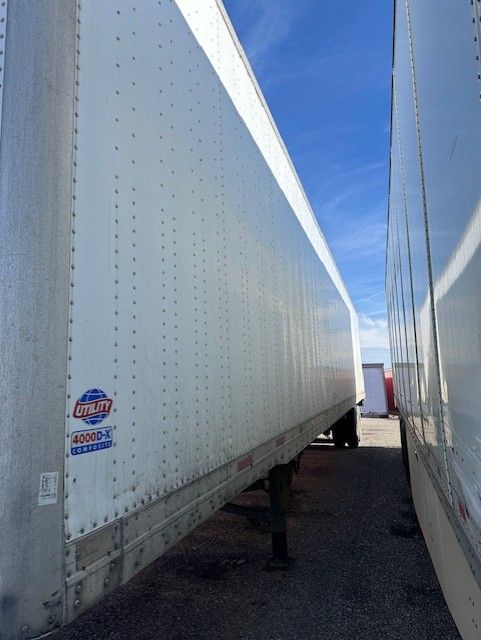
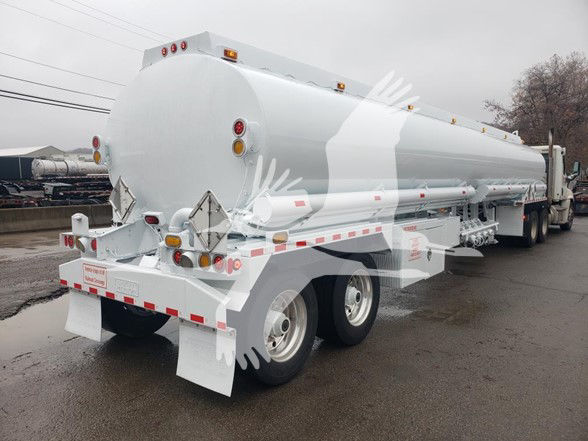
Showing 97 to 108 of 136 results
Have used 2014 trailer to sell? List it here to reach thousands of buyers.
About Used 2014 Trailers
The category covers several trailer types, each with different buying priorities. Dry vans, also called enclosed van trailers, are commonly 53 feet long and 102 inches wide with swing or roll-up doors, wood floors, scuff liners, logistics posts, and sliding tandems. Reefers add insulation, duct floors, air chutes, bulkheads, and a refrigeration unit that needs separate hour and service review. Flatbeds and drop decks, also known as step deck trailers, shift the attention to deck length, loaded deck height, winch track, stake pockets, coil packages, and concentrated load rating. Across all trailer types, suspension setup, kingpin setting, axle spacing, wheel-end condition, and tire inflation systems can directly affect operating cost and lane flexibility.
A buyer comparing used 2014 trailers should inspect for corrosion, accident repair quality, and wear patterns that reveal how the trailer was used. On vans and reefers, check roof bows, side panels, door frames, threshold plates, floor patches, and signs of water intrusion. On reefer trailers, confirm unit start-up, temperature pull-down, controller operation, and maintenance records for the engine or electric standby system if equipped. On flatbeds and drop decks, look closely at deck wear, cracked welds, rub rail damage, bent rear impact guards, and suspension alignment. ABS faults, brake chamber age, bushing wear, and uneven tire wear can turn a low purchase price into a high cost trailer quickly.
Spec selection should follow freight profile and compliance needs. A 2014 dry van for general freight may need air ride, swing doors, logistic track, and sliding tandems. A reefer for food-grade work may need clean interior lining, sound insulation, and current reefer service history. A drop deck used for machinery or steel may need aluminum construction for weight savings or a coil package and multiple winches for securement flexibility. The best used 2014 trailer is the one with a verifiable maintenance history, a clean and straight structure, and a spec that fits your lanes without immediate rework.
Frequently Asked Questions
What should I inspect first on a used 2014 trailer?
Start with the structural components because they are the most expensive to correct. Look at the frame rails, crossmembers, kingpin area, slider box, suspension mounts, landing gear supports, and rear frame for cracks, heavy corrosion, or poor-quality repairs. After that, move to brakes, tires, wheel ends, lights, ABS function, and the floor or deck surface. On enclosed trailers, also inspect for roof leaks, sidewall damage, and door seal condition.
Is a 2014 trailer too old for regular commercial use?
Not necessarily. A 2014 trailer can still be a dependable working asset if it has been maintained properly and the major structural and running gear components remain in good condition. Many fleets keep trailers in service well beyond ten years, especially for regional haul, dedicated lanes, storage support, or specialized applications. Age matters less than maintenance history, prior damage, and how closely the trailer spec matches the intended freight.
What are common specs on used 2014 dry vans and reefers?
Dry vans from this era are commonly 53 feet long, 102 inches wide, air ride, and equipped with swing or roll-up doors, wood floors, scuff liners, and sliding tandems. Reefers typically add insulated walls, a duct or channel floor, air chute, bulkhead, and a Thermo King or Carrier refrigeration unit. Tire inflation systems, side skirts, and low-profile 22.5 tires may also appear depending on the original fleet specification.
How do I evaluate a used 2014 reefer trailer?
A reefer trailer needs both a trailer inspection and a refrigeration unit inspection. Check the trailer body for insulation damage, floor wear, door sealing, and signs of water intrusion. Then verify reefer hours, maintenance records, startup behavior, temperature pull-down performance, controller operation, and any alarm history. A trailer body in good shape with a neglected unit can still become an expensive purchase.
Are aluminum trailers better than steel on a used 2014 model?
It depends on the application. Aluminum construction usually helps reduce tare weight and resist corrosion, which can be valuable for payload and long-term appearance. Steel can offer durability in high-abuse environments but may show more corrosion over time if maintenance has been inconsistent. On a used 2014 trailer, condition is more important than material alone, so inspect weld quality, repairs, and fatigue points before making the material choice the deciding factor.