
Trailers For Sale Near South Sioux City, Nebraska
Browse trailers for sale in South Sioux City, Nebraska, including dry vans and reefers with common specs, suspension options, and cargo features.
Learn more

Showing 73 to 84 of 191 results
Have trailer to sell? List it here to reach thousands of buyers.
About Trailers Near South Sioux City, Nebraska
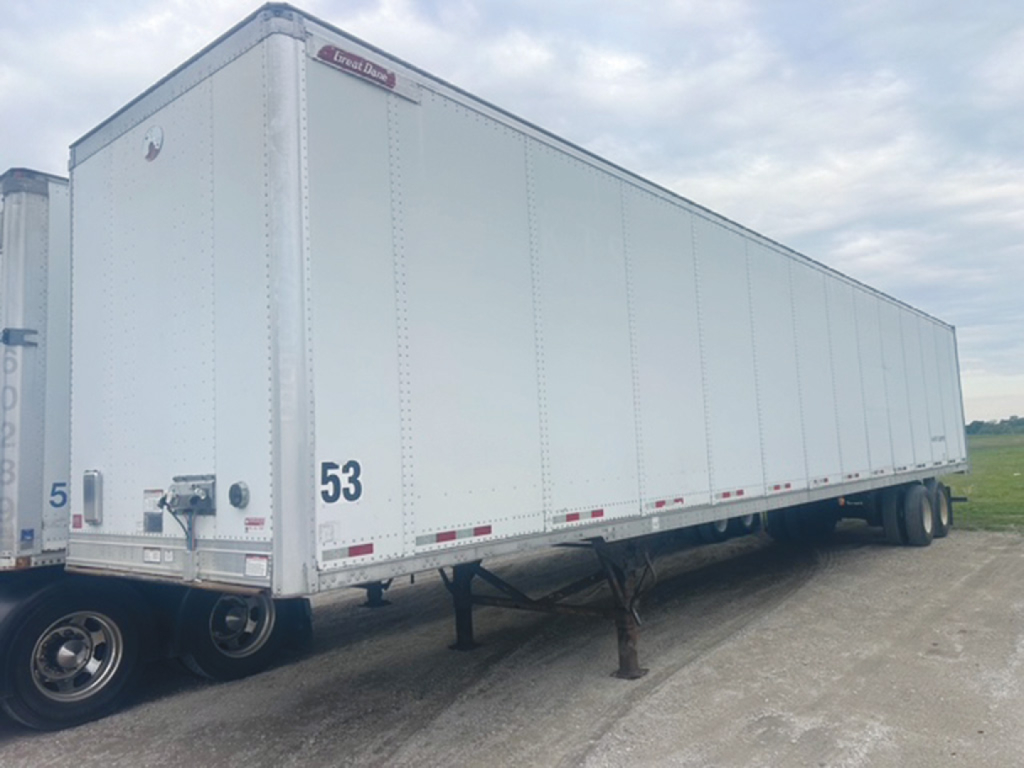
For dry vans, key details include roof construction, interior lining, floor condition, and door style. Roll-up doors can be useful in tight docks and route delivery applications, while swing doors are often preferred when full rear opening width matters. Buyers should pay attention to plywood or plastic lining, scuff plates, E-track, threshold plates, and underbody storage because those features affect cargo securement and daily usability. Suspension is usually air ride on late-model vans, and that matters for freight protection, ride quality, and resale appeal. Tire size, wheel type, tandem slide operation, and brake condition should also be checked closely, especially on trailers that have spent time in high-cycle regional service.
On reefer trailers, the refrigeration unit is only part of the value. Floor type, chute condition, rear door seal integrity, insulation performance, and front wall condition are just as important. Aluminum duct floors and cold chutes help maintain airflow for produce, frozen freight, and other temperature-controlled cargo. Stainless door frames, front radius panels, and scuff liners can be signs of a trailer built for heavy dock use and frequent washout cycles. If a reefer is being bought for storage, local hauling, or conversion to a dry freight application, buyers should still inspect the unit bay, bulkhead area, and floor wear to understand what the trailer can realistically do.
In eastern Nebraska and the Siouxland market, trailer selection often comes down to matching freight lane needs with long-term operating cost. A 53-foot van with air ride, lined walls, and a solid wood floor fits a broad range of freight and usually stays versatile. A reefer with a dependable unit, clean insulated box, and sound seals is better for shippers that cannot risk temperature swings. Look closely at tandem settings, door hardware, roof condition, rivet lines, crossmember integrity, and tire wear patterns. Those details tell you more about a trailer’s real service life than the model year alone.
Frequently Asked Questions
What is the most common trailer size for general freight?
The most common size for over-the-road general freight is a 53-foot trailer. A 53-foot dry van offers the cube and pallet count most shippers expect, while still fitting standard dock operations and interstate dimensions. In some fleets, 48-foot trailers still make sense for regional work, older customer facilities, or specific contract freight, but 53-foot units are the default for broad freight compatibility and resale demand.
How do I choose between a dry van trailer and a reefer trailer?
Choose a dry van for standard palletized freight, retail goods, packaged products, and freight that only needs weather protection and security. Choose a reefer for refrigerated or frozen cargo, or for loads that require a stable insulated environment. A reefer costs more to own and maintain because of the refrigeration unit, insulation, and added system complexity, so the freight you plan to haul should justify that extra operating cost.
What trailer features matter most on a used van or reefer?
The highest-value checks are floor condition, roof integrity, door operation, suspension type, brake and tire condition, tandem slide function, and structural signs of heavy damage or poor repair. On dry vans, wall lining, scuff plates, E-track, and door style matter because they affect cargo handling and dock use. On reefers, inspect the refrigeration unit hours, chute and floor condition, door seals, and the overall condition of the insulated box because those directly affect temperature control and serviceability.
Are air ride suspensions worth it on a trailer?
Air ride suspension is generally worth it for fleets and owner-operators hauling higher-value, fragile, or dock-sensitive freight. It provides a smoother ride than many mechanical setups, which can help reduce cargo damage and improve trailer stability. Air ride also tends to be more desirable in the resale market, especially on dry vans and reefers used in regular highway service.
Can an older reefer trailer still be useful without a working refrigeration unit?
Yes, an older reefer can still have value even if the refrigeration unit is removed or no longer used. Many buyers use insulated trailers for storage, short-haul protected freight, or applications where the thermal properties of the box are still beneficial. The key is to evaluate the floor, walls, seals, doors, and structural condition carefully, because the usefulness of a non-powered reefer depends on the integrity of the insulated body as much as the former refrigeration setup.