
PJ Trailers For Sale
Browse PJ trailers for hauling equipment, vehicles, and materials, with common options in utility, dump, tilt, deckover, and gooseneck designs.
Selling a pj trailer? List your pj trailer for sale and reach thousands of commercial buyers.
PJ Trailers
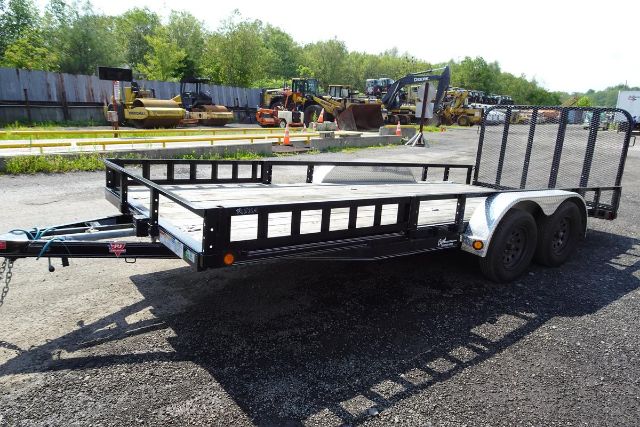
One of the first decisions with a PJ trailer is matching trailer style to the load. A lighter utility trailer often uses tandem spring axles, a wood floor, rear gate or mesh ramp, and a 7,000 lb GVWR range for mowers, small tractors, UTVs, and general material hauling. Step up into equipment haulers and deckovers, and buyers should pay attention to deck length, deck height, dovetail angle, ramp type, rub rail setup, stake pockets, and available payload after curb weight. Gooseneck and fifth-wheel style PJ trailers are common for heavier machines and palletized loads because they improve stability, turning control, and weight distribution over the tow vehicle.
Specs matter more than brand decals when the trailer is expected to earn. Check axle count, axle rating, tire size, brake configuration, coupler type, and frame construction first. PJ trailers are frequently found with tandem or triple axle setups, spring ride suspension, adjustable couplers, and common wheel and tire packages that simplify replacement. On enclosed or higher-sided models, buyers may also look for brakeaway systems, sealed wiring, LED lighting, toolbox options, and tie-down layout. On dump and tilt configurations, cylinder capacity, battery and pump condition, bed angle, and ramp design deserve close attention because those features directly affect loading speed and downtime.
Used PJ trailers can be a strong value if the structure is sound. Inspect the main frame, crossmembers, tongue or neck area, suspension hangers, and ramp attachment points for cracking, corrosion, poor repairs, or heavy distortion from overloading. Wood decks should be checked for rot, fastener pull-through, and uneven wear. Tires, brakes, bearings, and wiring are standard wear items, but uneven tire wear or a trailer that tows out of line can point to axle damage. Buyers who focus on GVWR, empty weight, payload, deck dimensions, and tie-down practicality will usually make a better purchase than those shopping by model name alone.
Frequently Asked Questions about PJ Trailers
What types of PJ trailers are most common on the used market?
PJ is commonly found in utility, equipment, dump, tilt, car hauler, deckover, and gooseneck trailer categories. Utility and equipment trailers are especially common because they cover a wide range of jobs, from moving mowers and compact tractors to hauling skid steers, attachments, and building materials. The best choice depends on cargo weight, loading method, and how often the trailer will be used.
How do I choose the right GVWR on a PJ trailer?
Start with the actual weight of the cargo, then add the weight of attachments, fuel, tools, and anything else carried on the trailer. After that, compare the total against the trailer’s payload, not just its GVWR. Payload is the GVWR minus the empty trailer weight. A trailer with enough legal and practical payload margin will tow better, wear more evenly, and reduce the risk of overloading axles, tires, and brakes.
Are PJ utility trailers good for equipment hauling?
Some are, but it depends on the trailer’s frame, axle rating, deck length, and ramp design. A lighter PJ utility trailer with a 7,000 lb GVWR may work well for compact equipment, UTVs, and small tractors. Heavier machines usually call for a purpose-built PJ equipment trailer, deckover, or gooseneck with stronger frame rails, heavier axles, better tie-down provisions, and ramps designed for concentrated machine weight.
What should I inspect first on a used PJ trailer?
Inspect the frame, tongue or gooseneck structure, axles, suspension hangers, brakes, tires, and deck condition first. Those components tell you how the trailer was used and whether it has been overloaded or poorly repaired. Also check lights, breakaway system, coupler wear, jack operation, and title or VIN plate condition. Structural issues and bad axle alignment are usually more expensive than replacing normal wear items like tires or wiring.
Is a gooseneck PJ trailer better than a bumper pull?
For heavier loads, a gooseneck is often the better choice because it gives improved weight distribution, better straight-line stability, and tighter maneuvering in many jobsite and farm situations. A bumper pull is usually simpler and less expensive, and it works well for lighter loads and shorter trailers. The right decision depends on tow vehicle setup, load size, trailer length, and how often the trailer will run at higher weights.