
Trailers For Sale Near Enid, Oklahoma
Have trailer to sell? List it here to reach thousands of buyers.
Trailers Near Enid, Oklahoma
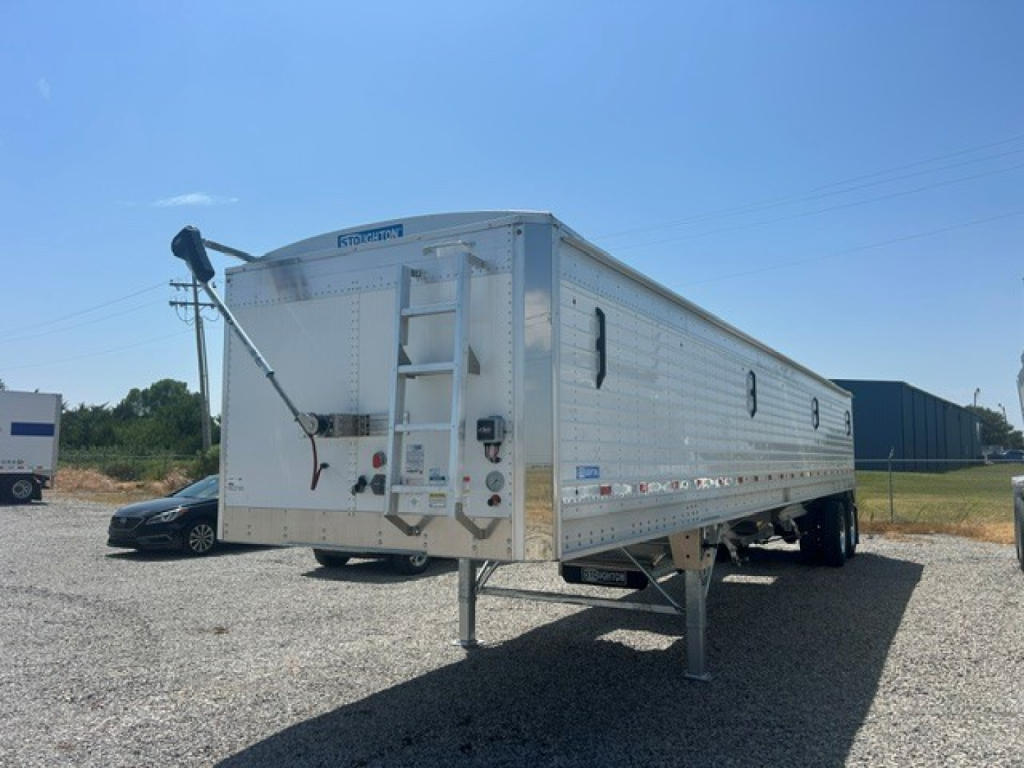
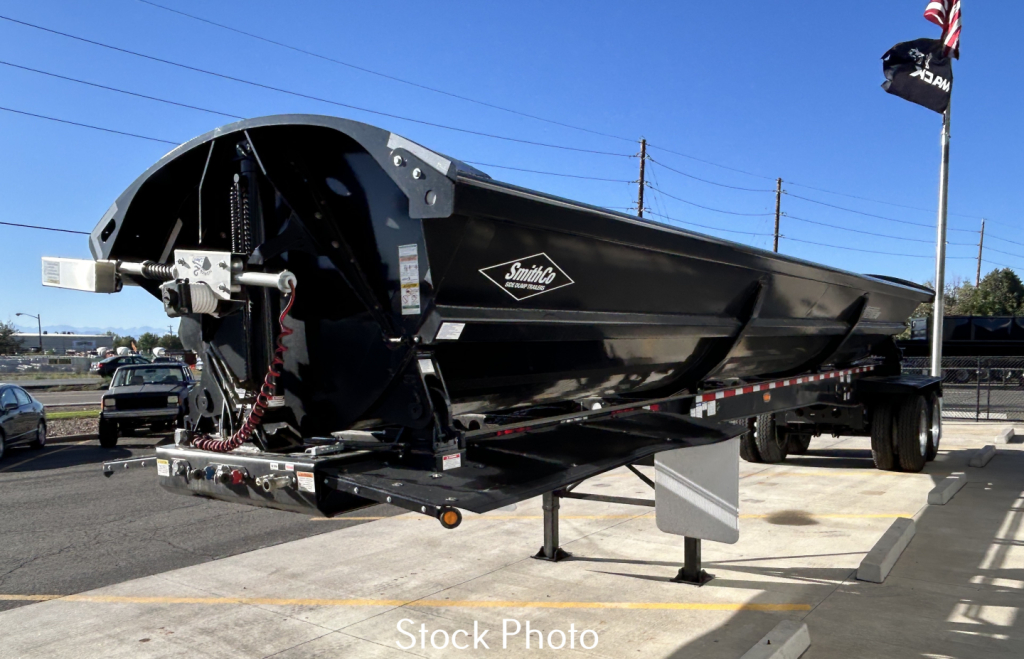
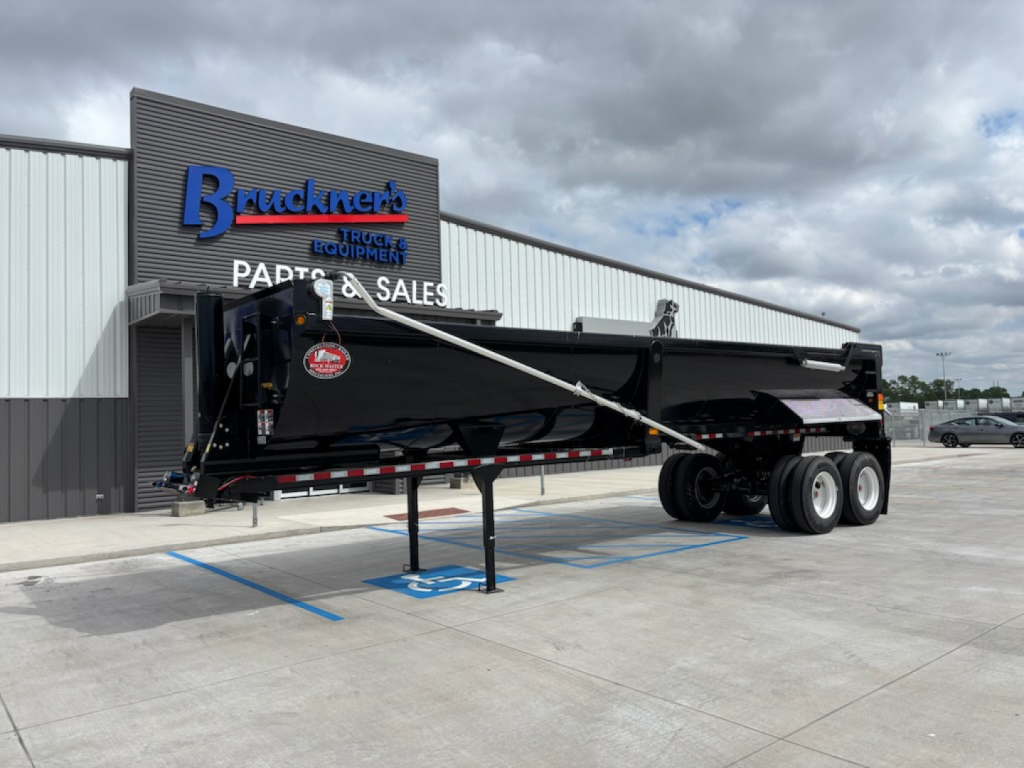
For many buyers, the important spec decisions come down to trailer length, GVWR, axle count, brake type, and construction material. Steel trailers are common where impact resistance and repairability matter, while aluminum can make sense when every pound of tare weight affects revenue. Suspension choices such as spring ride or air ride influence maintenance cost, ride quality, and cargo protection. Tire size, wheel type, kingpin settings, crossmember spacing, floor thickness, sidewall construction, dump body capacity, and tarp systems all matter depending on the application. A dump trailer, for example, is often evaluated by cubic yard capacity, liner options, slope sheets, hoist design, and push block setup, while a flatbed buyer may focus more on deck height, winch track, rub rail design, and securement points.
Regional use should shape the buying decision. Oklahoma operators commonly need trailers that can handle grain, aggregates, oilfield materials, construction debris, machinery, hay, and general freight. That puts extra value on strong frames, dependable air systems, durable brake components, sealed lighting, and suspension designs that tolerate dust, mud, and uneven surfaces. Buyers comparing used and new trailers should pay attention to structural fatigue, frame repairs, floor wear, suspension bushing condition, brake life, tire match, corrosion, and signs of overloading. On specialized trailers, check hydraulic components, electric tarp systems, gate seals, landing gear condition, and any wear points around hinge assemblies, draft arms, and subframes.
A good trailer purchase is usually less about brand alone and more about matching specs to the lane and the load. A trailer that is too heavy cuts payload, and one that is too light for the work often becomes expensive in downtime and repairs. The best comparisons are made by looking at empty weight, legal capacity, maintenance access, parts support, and how the trailer is equipped for the specific freight you haul. Buyers who stay focused on operating environment, serviceability, and total cost per mile usually end up with a trailer that performs well long after the purchase price is forgotten.
Frequently Asked Questions about Trailers Near Enid, Oklahoma
What types of trailers are commonly included in the trailers category?
The trailers category typically includes dump trailers, flatbed trailers, step decks, lowboys, dry vans, refrigerated trailers, hopper bottoms, tank trailers, utility trailers, and equipment trailers. Each type is built around a specific cargo and loading method, so the right trailer depends on whether you haul bulk material, palletized freight, machinery, liquids, or agricultural products.
What specs matter most when comparing trailers for sale?
The most important trailer specs usually include length, axle configuration, GVWR, suspension type, brake setup, frame construction, trailer weight, and material composition. Buyers should also look at application-specific details such as cubic yard capacity on dump trailers, floor type on flatbeds, insulation and unit hours on refrigerated trailers, or compartment layout on tank trailers. These details affect payload, maintenance, and how well the trailer fits the work.
Is steel or aluminum better for a trailer?
Steel is generally preferred when durability, impact resistance, and easier field repair matter most. Aluminum is often chosen to reduce tare weight and improve payload potential. The better material depends on the freight, route conditions, corrosion exposure, and how the trailer will be maintained over time. In hard-use applications such as aggregate or demolition, steel is common, while weight-sensitive freight often favors aluminum.
What should I inspect on a used trailer before buying?
A used trailer should be inspected for frame cracks, poor weld repairs, uneven tire wear, brake condition, suspension wear, floor damage, landing gear operation, corrosion, and signs of chronic overloading. On dump trailers, inspect the hoist, hinge points, tarp system, and body alignment. On road trailers, check air lines, lights, wheel ends, and structural areas around crossmembers and suspension mounts. A careful inspection helps prevent expensive downtime after purchase.
How do I choose the right trailer for Oklahoma hauling conditions?
For Oklahoma hauling, buyers usually benefit from a trailer that balances capacity with durability and can handle highway travel, rural roads, and job site conditions. Strong suspension components, dependable brakes, durable floors, sealed wiring, and practical tire and wheel setups are important in a region that sees dust, mud, heat, and heavy commodity hauling. The best trailer is one matched closely to the commodity, terrain, and legal weight requirements of the routes you run.