
New Trucks For Sale in Illinois
Shop new trucks for sale in Illinois, including work trucks, vocational chassis, and commercial pickups built for fleet and jobsite use.
Learn more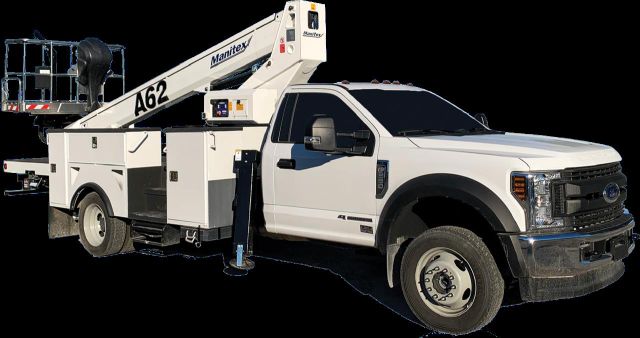
Have new truck to sell? List it here to reach thousands of buyers.
About New Trucks in Illinois
In Illinois, application and operating region should influence the spec. Urban fleets working in Chicago and other dense service areas often prioritize tight turning radius, shorter wheelbases, clear cab visibility, and easy outrigger or body access. Downstate and regional operators may put more emphasis on highway gearing, fuel capacity, driver comfort, and corrosion resistance for year-round use. Diesel power remains common in heavier commercial truck applications because of torque, durability, and PTO suitability, while gas engines still make sense for lighter-duty routes, lower annual mileage, and simpler maintenance. Buyers comparing new trucks should also look closely at transmission type, rear axle ratio, suspension capacity, brake setup, and whether the chassis is designed for non-CDL operation or pushes into CDL territory once fully equipped.
Body and equipment integration is a major part of buying a new truck, especially in vocational segments. Chassis cabs are often ordered for specific upfits such as mechanics bodies, bucket trucks, stake beds, landscape dumps, van bodies, and hooklift systems. That makes frame dimensions, cab-to-axle measurement, electrical architecture, and PTO access more important than many first-time buyers expect. On utility and aerial applications, buyers should verify stabilizer footprint, platform height, side reach, basket capacity, and overall stowed travel height. On general work trucks, practical details like trailer brake controls, backup camera systems, fuel tank placement, crossmember design, and snow-and-ice durability can have a direct effect on uptime.
A new truck brings the advantage of current emissions equipment, factory warranty coverage, fresh tires and brakes, and the ability to start with a clean maintenance baseline. That matters for fleets trying to control downtime and for owner-operators who need predictable operating costs. The best purchase usually comes from matching the truck's class, engine, wheelbase, and body configuration to the actual work cycle instead of buying excess capacity or too little truck. In a state like Illinois, where trucks may see stop-and-go city work, interstate miles, and harsh winter conditions in the same year, a properly spec'd new commercial truck is a long-term asset rather than just a replacement unit.
Frequently Asked Questions
What should I look at first when comparing new trucks for sale in Illinois?
Start with GVWR, chassis class, wheelbase, and intended body or equipment. Those four items determine whether the truck can legally and practically handle the job. After that, compare axle ratings, engine type, transmission, cab style, and PTO capability. Illinois buyers should also consider where the truck will operate, because city service work, municipal use, and regional highway operation can call for very different specifications.
Are new commercial trucks in Illinois typically diesel or gas?
Both are common, but the right choice depends on duty cycle. Diesel trucks are usually preferred for heavier payloads, towing, PTO-driven equipment, and higher annual miles because they deliver strong low-end torque and tend to fit medium-duty vocational work well. Gas engines can be a smart choice for lighter-duty applications, local routes, and fleets that want lower upfront cost and simpler service requirements. The best decision comes from payload, route profile, idle time, and upfit demands rather than engine preference alone.
Do I need to think about CDL requirements when buying a new truck?
Yes. CDL requirements depend on the truck's gross vehicle weight rating, gross combined weight rating, body installation, and how the unit will be used once it is fully equipped. Some commercial trucks are spec'd to stay under common CDL thresholds, while others move into CDL territory after the body, equipment, tools, or trailers are added. Buyers should verify the final operating weight and intended use before purchase, especially on vocational trucks with lifts, service bodies, or towing duties.
Why is wheelbase and cab-to-axle measurement so important on a new truck?
Wheelbase and cab-to-axle dimensions control body fit, weight distribution, turning radius, and overall drivability. A truck that looks right on paper can become a poor match if the frame length does not support the intended body or if axle placement leaves too much weight on one end of the truck. This matters even more on trucks that will receive specialized upfits such as dumps, utility bodies, cranes, or aerial equipment. Correct dimensions reduce installation problems and improve handling, stability, and serviceability.
Is buying a new truck better for fleet uptime than buying used?
For many operations, yes. A new truck gives you a clean maintenance starting point, full factory warranty support, current safety and emissions systems, and no unknown prior-use history. That can reduce early downtime and make service planning easier. The value is strongest when the truck is properly spec'd from the start, because even a new unit will underperform if the chassis, powertrain, or body configuration does not match the work.