
New Trailers For Sale in Georgia
Shop new trailers for sale in Georgia, including flatbed, dry van, reefer, dump, lowboy, and specialty trailers for regional and long-haul work.
Learn more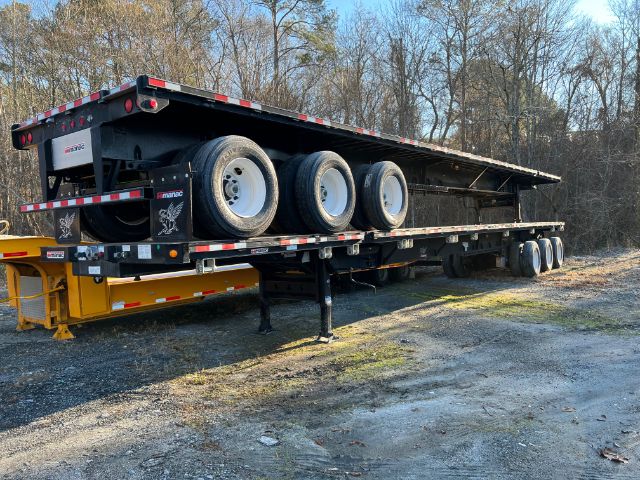
Have new trailer to sell? List it here to reach thousands of buyers.
About New Trailers in Georgia
A buyer comparing new trailers should pay close attention to GVWR, axle spread, suspension type, brake spec, tire size, floor rating, and overall trailer weight. On open-deck trailers, deck length, loaded deck height, kingpin setting, aluminum versus steel construction, winch track layout, coil package options, and Apitong flooring all matter. Vans and reefers bring a different set of priorities, including interior height, scuff liners, logistics posts, sidewall construction, door configuration, insulation package, and liftgate compatibility. Dump and equipment trailers often come down to hoist design, frame reinforcement, tailgate style, ramp setup, and whether the trailer is built for severe-duty cycles or mixed highway use.
Georgia operations add a practical layer to the buying decision. Freight moving through Atlanta, Savannah, I-75, I-85, and I-16 often demands durable brake and suspension systems that hold up under stop-and-go traffic, port drayage, and regional haul miles. Corrosion resistance can matter more for trailers exposed to coastal humidity, while tire inflation systems, air ride suspension, and disc brakes may be worth a closer look for fleets focused on uptime and cargo protection. Buyers hauling machinery, steel, lumber, pipe, or overlength loads should also consider specialty open-deck models such as extendable flatbeds, which are designed to handle freight that exceeds standard deck length without moving up to a more specialized heavy-haul platform.
New trailers appeal to buyers who want current spec availability, cleaner compliance paths, and a known maintenance baseline from day one. The right trailer is not just the one with the right dimensions. It is the one built around the freight, loading environment, permit exposure, and expected trade cycle. A fleet running palletized consumer goods will spec very differently from a contractor moving excavators or a carrier handling overlength steel. Looking closely at structural design, component brands, repair access, and resale-friendly specifications usually pays off over the life of the trailer.
Frequently Asked Questions
What should I look at first when comparing new trailers for sale?
Start with the trailer type and intended freight, then move to capacity, axle configuration, dimensions, and tare weight. A trailer that looks similar on paper can perform very differently depending on frame design, suspension, floor rating, brake package, and material choice. Buyers should also look at how the trailer will be loaded, where it will run, and how often it will see high-cycle use because those factors affect wear, uptime, and long-term operating cost.
Are aluminum trailers better than steel trailers?
Neither is automatically better because the right choice depends on the application. Aluminum trailers usually reduce empty weight and improve payload potential, which can be valuable in freight where every pound counts. Steel trailers are often chosen for severe-duty work and impact resistance, especially in construction or equipment service. Many buyers end up with a combination approach, using aluminum where weight savings matter and steel where structural toughness is the bigger priority.
When does an extendable flatbed make sense?
An extendable flatbed makes sense when the freight regularly exceeds standard legal deck length but does not justify stepping up to a dedicated heavy-haul or highly specialized platform. These trailers are commonly used for long steel products, pipe, structural components, and other overlength loads. The buyer should pay close attention to closed and extended length, loaded weight distribution, deck strength, and how the trailer behaves under the specific cargo profile it will carry.
What trailer specs matter most for Georgia service?
Georgia service often means a mix of urban congestion, interstate running, port-related freight, and humid conditions. That makes brake durability, suspension quality, lighting reliability, and corrosion resistance especially important. Buyers running near the coast may prioritize protective finishes and component longevity, while regional fleets moving through Atlanta traffic may put more value on axle and brake packages that stand up to frequent stops, tight turns, and high utilization.
Why buy a new trailer instead of a used trailer?
A new trailer gives the buyer a known starting point on wear items, structural condition, and specification history. It also makes it easier to align the trailer with current freight demands, compliance needs, and fleet maintenance standards. For many operations, the biggest advantages are predictable maintenance, longer planned service life, warranty support, and the ability to spec the trailer for a specific lane or commodity rather than adapting to whatever is available on the used market.