
New Great Dane Trailers For Sale
Shop new Great Dane trailers including dry vans and reefers. Compare 53-foot specs, construction, suspension, doors, floors, and brake options.
Learn more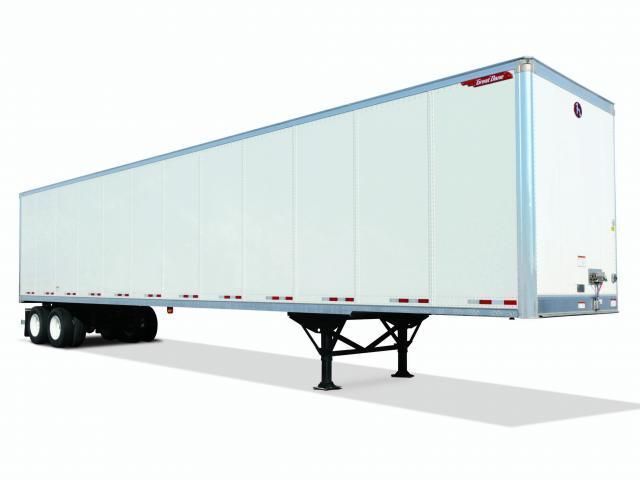
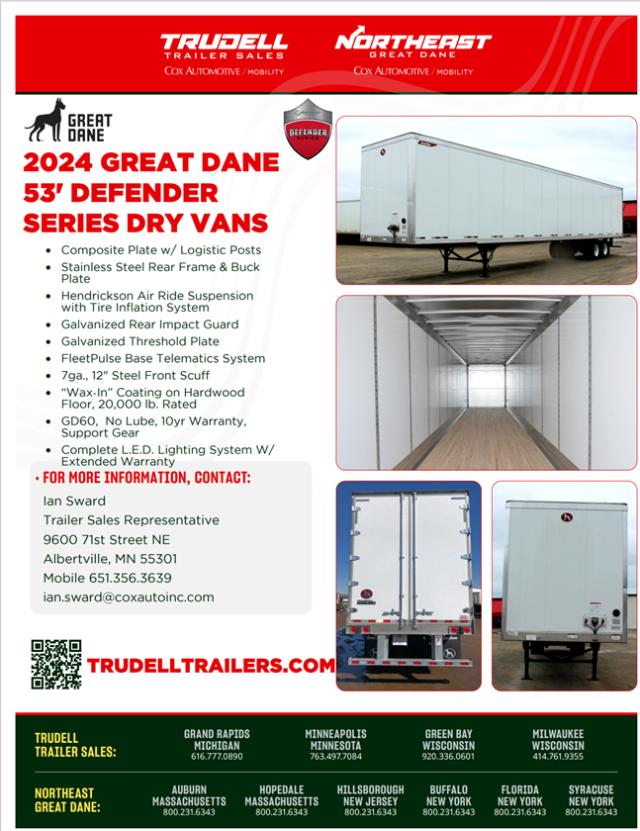
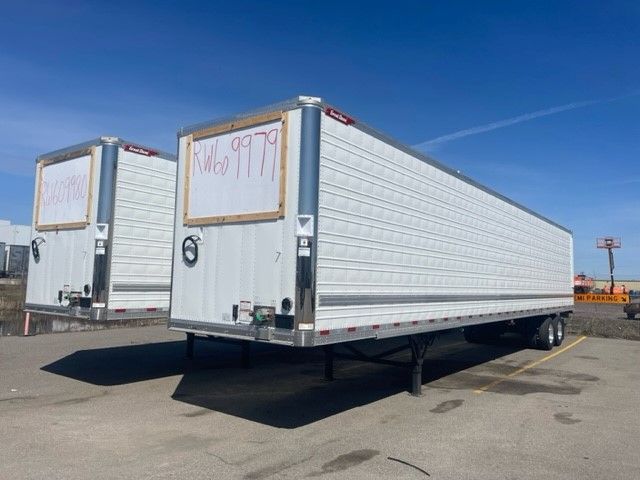
Have new great dane trailer to sell? List it here to reach thousands of buyers.
About New Great Dane Trailers
For dry van buyers, pay close attention to sidewall construction, floor type, suspension, and rear frame spec. Composite plate van designs are popular because they balance durability, tare weight, and repairability. Hardwood flooring remains a standard choice for mixed freight and forklift traffic. A 36-inch kingpin setting, sliding tandem, and low-profile 22.5 tires are common fleet specs because they help with bridge law flexibility, dock approach, and standard tractor pairing. Rear swing doors are still the preferred setup for most dock freight, and Hendrickson air ride suspension is frequently specified for load protection and ride quality.
On new Great Dane reefer trailers, the spec sheet matters even more because small differences affect thermal performance, maintenance cost, and payload. Buyers should look at brake package, floor construction, door spec, scuff protection, and aerodynamic equipment in addition to the refrigeration unit choice. Disc brakes are increasingly attractive in reefer service because they improve stopping consistency and can reduce downtime in high-mile applications. Common premium options include stainless quilted rear doors, extended interior scuff liners, Tiremaax Pro tire inflation systems, roll-stability systems, aluminum wheels, and trailer skirts or roof fairing packages such as Transtex aerodynamic equipment. These features can help with uptime, tire life, cargo protection, and fuel efficiency over long runs.
Great Dane trailers are also known across the market as dry van trailers, box trailers, and refrigerated trailers or reefers, depending on body style. The right spec depends on freight mix, lane length, loading method, and shop preferences. A fleet running heavy palletized freight may prioritize floor rating, suspension durability, and door hardware, while a buyer focused on grocery or pharma freight will put more weight on insulation package, interior protection, and brake performance. When comparing listings, the best approach is to match the trailer to the freight first, then confirm the structural and running gear details that will affect maintenance, compliance, and total cost per mile.
Frequently Asked Questions
What are the most common specs on new Great Dane trailers?
The most common new Great Dane trailer specs in this category are 53-foot length, 102-inch width, tandem axles, sliding axle configuration, 22.5 low-profile tires, and air ride suspension. Dry vans often include composite plate sidewalls, hardwood floors, and swing rear doors. Reefer models commonly add aluminum floors, insulated construction, enhanced scuff protection, and premium braking or tire management systems.
What is the difference between a Great Dane dry van and a Great Dane reefer trailer?
A Great Dane dry van is designed for general freight that does not require temperature control, with an emphasis on cargo protection, cube, and dock-friendly loading. A Great Dane reefer trailer is built for temperature-sensitive freight and uses insulated walls, insulated doors, and reefer-ready floor and body construction. Reefer trailers also tend to carry more specialized options related to thermal retention, interior durability, and long-haul uptime.
Are disc brakes worth it on a new Great Dane reefer trailer?
Disc brakes can be a strong choice on a new Great Dane reefer, especially in high-mileage or time-sensitive operations. They typically provide more consistent braking performance, strong stopping power, and easier visual inspection than drum setups. For fleets focused on uptime, safety performance, and reduced brake-related service interruptions, disc brakes can justify the higher initial cost.
Why do buyers look for a sliding tandem and 36-inch kingpin setting?
A sliding tandem and 36-inch kingpin setting give the trailer more flexibility for axle weight distribution, bridge law compliance, and compatibility with different tractors and customer docks. These are standard fleet-friendly dimensions that make it easier to handle varying freight weights and loading patterns. For carriers operating across multiple states or in mixed customer networks, that flexibility is important.
What should I compare first when shopping new Great Dane trailers?
Start with body type and application. Confirm whether the trailer will be used for dry freight or refrigerated freight, then compare structural specs such as wall construction, floor type, suspension, brakes, wheel material, and door configuration. After that, review operating details like tire package, axle slide, kingpin setting, and options such as tire inflation systems, roll-stability control, scuff liners, and aerodynamic packages, because those items have a direct effect on maintenance cost and daily performance.